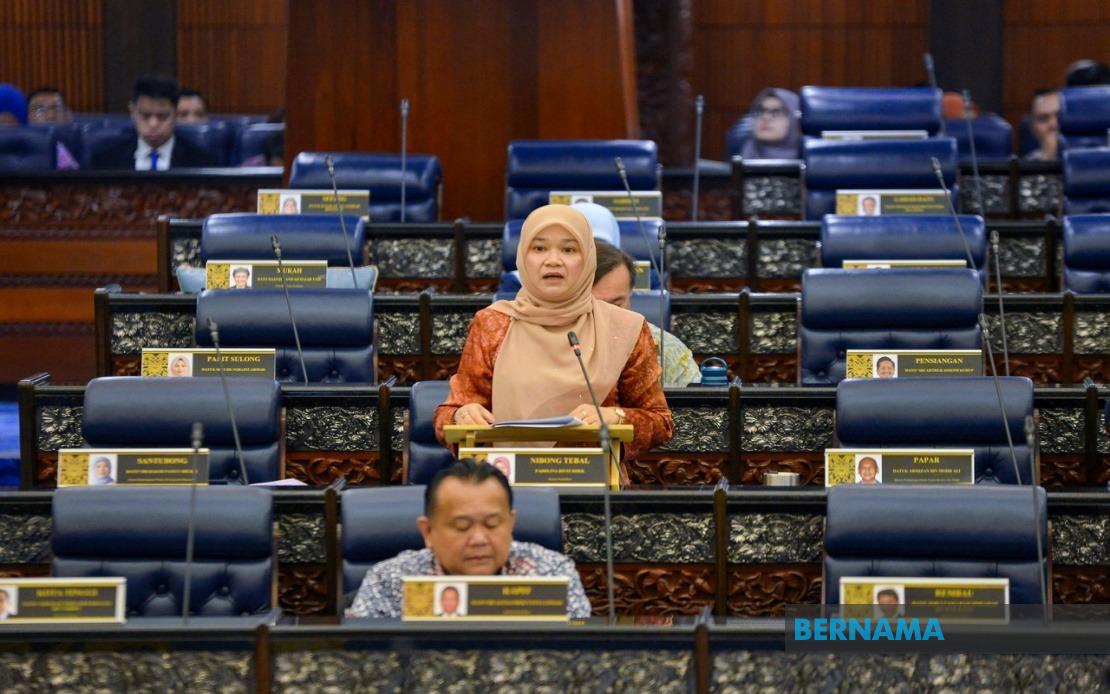
The Ministry of Education has unveiled a comprehensive strategy to strengthen school safety across Malaysia, with Education Minister Fadhlina Sidek emphasising that safety concerns require individualised assessment rather than one-size-fits-all solutions. Speaking during Minister's Question Time in Parliament, Fadhlina outlined a multi-pronged approach designed to address the growing concerns among parents and stakeholders about student protection in educational institutions, signalling the government's commitment to creating secure learning environments.
The ministry's strategy rests on five foundational pillars: prevention, monitoring, reporting, intervention and enforcement. This framework reflects a shift towards proactive identification and management of safety threats, moving beyond reactive crisis response. By establishing clear protocols across each stage, the MOE aims to create a systematic approach that allows schools to address incidents before they escalate. The strategy also acknowledges that safety encompasses more than physical security—it encompasses the psychological and emotional wellbeing of students, recognising that traumatic incidents can have lasting developmental consequences.
Central to this renewed focus is the establishment of a special committee comprising representatives from various government agencies and external organisations. This inter-agency task force represents a recognition that school safety cannot be addressed by educators alone; it requires expertise spanning occupational health, structural safety, fire prevention and mental health services. The National Institute of Occupational Safety and Health has already committed its resources to provide technical guidance on building infrastructure, drainage systems and fire safety protocols—critical areas where institutional knowledge gaps have historically compromised school facilities.
Two significant policy documents now serve as reference materials for all educational institutions nationwide. The Safe School Management Guidelines and School Student Protection Policy, launched on June 11, establish standardised expectations for how schools should safeguard students' physical, social and emotional security. These documents provide schools with evidence-based frameworks rather than ad-hoc procedures, ensuring consistency across Malaysia's diverse educational landscape—from urban schools in Kuala Lumpur to rural institutions in East Malaysia.
Anti-bullying efforts have received particular attention, with the MOE updating its guidelines to align with the Anti-Bullying Act 2026, which took effect on June 16. This legislative development gives the ministry clearer authority to enforce anti-bullying measures and provides legal backing for interventions that were previously handled solely through administrative channels. The updated guidelines reflect growing recognition that bullying—whether physical, verbal or cybernetic—represents a serious threat to student wellbeing and academic performance, particularly as social media amplifies the reach and persistence of such conduct.
Physical security enhancements form another crucial component of the safety initiative. The ministry is significantly expanding closed-circuit television installation, scaling up from 200 schools in 2025 to 333 schools in 2026. This expansion acknowledges the deterrent value of visible monitoring systems while providing schools with documentary evidence should incidents occur. However, such technology represents only one element of comprehensive safety; surveillance systems are most effective when complemented by trained personnel, clear reporting mechanisms and swift response protocols.
Nighttime safety—a frequently overlooked vulnerability in boarding schools—will be strengthened through the appointment of 300 hostel wardens beginning April 1. These personnel will provide direct supervision during evening hours when students are most vulnerable and when traditional administrative structures may be unavailable. The strategic deployment of hostel wardens reflects understanding that safety threats do not cease when the school day ends; residential students require equivalent protection during dormitory hours. This measure particularly benefits students in rural and regional areas who rely on hostel accommodation for access to secondary education.
Comprehensive case assessment represents a cornerstone of the ministry's intervention approach. When incidents occur, trained certified counsellors will conduct thorough investigations that consider the psychological, social and contextual factors surrounding each case rather than applying standardised punishments divorced from circumstances. This individualistic approach acknowledges that bullying incidents, for example, may stem from diverse causes including peer pressure, social exclusion, academic stress or family dysfunction—factors requiring targeted intervention rather than uniform discipline.
The involvement of parents emerges as a critical success factor in the safety framework. The Parent-Teacher Association, Parent, Community and Private Sector Involvement initiative ensures that families remain informed partners in student protection rather than peripheral stakeholders. Research consistently demonstrates that schools with strong parental engagement experience better safety outcomes; when parents are invested in institutional safety measures and understand reporting procedures, they become force multipliers in surveillance and early intervention. Furthermore, parent engagement helps schools avoid the perception of institutional accountability avoidance that often fuels public distrust.
The timing of these announcements reflects mounting public concern about school safety incidents that have featured prominently in Malaysian news media. Parents increasingly scrutinise school safety records when selecting educational institutions, and negative incidents can damage a school's reputation irreparably. By proactively demonstrating commitment to comprehensive safety measures, the MOE signals that student protection ranks among its highest priorities. The multi-agency approach also distributes responsibility across government, preventing the education sector from bearing sole accountability for challenges requiring broader societal solutions.
Implementation will prove critical to determining whether these initiatives translate into meaningful improvements in school safety. Schools will require adequate training to operationalise new protocols, sufficient funding to implement infrastructure upgrades, and ongoing support from central authorities. Resistance may emerge from some institutions accustomed to previous approaches, necessitating clear communication about rationale and expectations. Additionally, effectiveness metrics must be established to assess whether expanded CCTV coverage, increased hostel wardens and updated guidelines demonstrably reduce safety incidents.
The initiative also carries implications for Malaysian schools' international standing. Parents considering international schools or overseas education for their children frequently cite safety concerns; evidence-based safety systems enhance institutional credibility. As Malaysia positions itself as a regional education hub attracting international students, comprehensive safety frameworks become competitive advantages in global education markets. The government's demonstrated commitment to student protection may therefore generate economic benefits beyond improved domestic educational outcomes.

