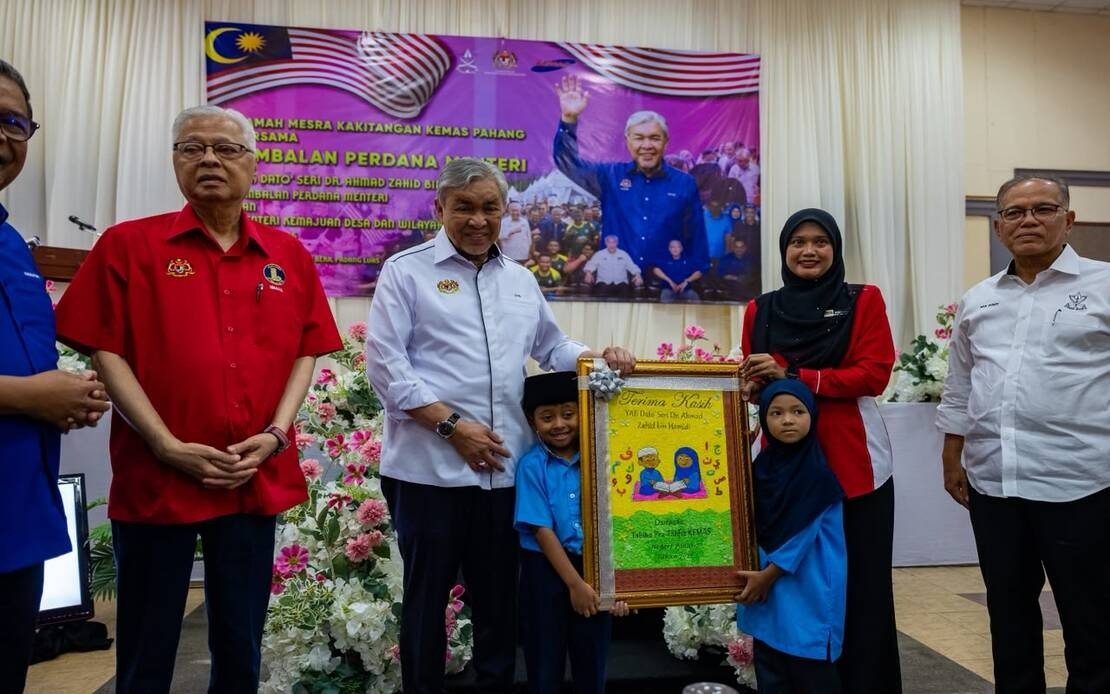
The Malaysian government is embarking on a significant overhaul of early childhood education, merging technological advancement with religious and moral instruction in a strategy aimed at preparing young learners for an increasingly digital world. Deputy Prime Minister Datuk Seri Dr Ahmad Zahid Hamidi unveiled this integrated approach during a community engagement programme in Bera, Pahang, signalling a fresh direction for KEMAS, the Community Development Department that has served Malaysian families for six decades.
The timing of this educational push aligns with recent structural changes to the nation's schooling framework. The government's decision to lower the mandatory school starting age from seven to six years old has elevated the role of early-stage learning institutions, making KEMAS kindergartens (Tabika) and childcare centres (Taska) more critical to child development pathways. This demographic shift has created both an opportunity and an urgency for KEMAS to evolve its curriculum and infrastructure, ensuring that younger cohorts benefit from contemporary pedagogical approaches rather than relying on outdated models.
At the heart of this modernisation initiative lies the Strategic integration of digital tools into classroom environments. Ahmad Zahid specifically highlighted the broader rollout of Smart Class initiatives and smartboard technology across KEMAS-run kindergartens. These digital learning platforms represent a departure from traditional chalk-and-talk instruction, enabling interactive and visual learning experiences that research suggests enhance early-age cognitive development. For rural and regional communities where KEMAS operates, such technological access can help narrow educational disparities that have historically disadvantaged students in less urbanised areas.
Yet the modernisation agenda does not signal an abandonment of cultural or religious foundations. Rather, the government is proposing a complementary strengthening of Islamic education components within KEMAS centres. Ahmad Zahid announced plans to expand Quranic memorisation programmes, a traditional Islamic educational practice, beginning in the new academic year. Beyond the existing focus on memorising portions from Juzuk 30 of the Quran, students will now be guided to commit to memory Surah Yasin, Al-Waqiah, Al-Mulk and As-Sajdah—chapters considered spiritually significant in Islamic tradition.
This dual emphasis reflects a deliberate philosophical approach to early childhood development: equipping children simultaneously with technological literacy and grounding in religious and moral values. The strategy acknowledges that future competitiveness in Southeast Asia and globally requires not only digital fluency but also strong ethical anchors and cultural identity. For Malaysia's Muslim-majority society, this integration of technological and Islamic instruction represents an attempt to navigate modernisation without compromising religious and cultural continuity.
Implementing such an expanded memorisation programme, however, requires substantial preparation. Ahmad Zahid stressed that KEMAS educators themselves must first develop mastery of the selected surahs and pedagogical techniques to ensure effective transmission of knowledge. This teacher-training requirement underscores a key challenge facing Malaysia's early education sector: the need for professional development capacity that matches curricular ambitions. Without adequate training programmes and time allocation for staff upskilling, even well-intentioned policies risk implementation gaps.
The Pahang state government's role in facilitating this transformation has been acknowledged, particularly its efforts in securing land titles, allocating grants for KEMAS infrastructure, and funding renovation projects. This inter-governmental coordination represents a model of vertical alignment between federal and state authorities, essential for rolling out programmes across Malaysia's diverse geography and administrative structures. Such collaboration becomes especially important in rural and regional areas where KEMAS centres often operate on constrained budgets.
The scope of KEMAS's historical reach underscores the significance of this modernisation effort. Since its establishment, KEMAS Tabika and Taska have collectively served approximately 8.4 million children, making any transformation in its approach and curriculum a matter affecting generations of Malaysian families. This massive scale means that improvements in teaching methodologies and resource provision carry profound implications for national human capital development and social mobility.
Ahmad Zahid's framing of the initiative emphasises political stability and cross-level governmental cooperation as prerequisites for advancing early childhood education comprehensively. This rhetoric suggests an implicit recognition that educational transformation requires sustained commitment across electoral cycles and competing political interests. In the Malaysian context, where state and federal governments have sometimes operated at cross-purposes, explicit calls for unity underscore the challenges of implementing coordinated national programmes.
The broader strategic vision articulated is one of KEMAS evolving beyond its traditional community welfare mandate to become an engine of human capital formation attuned to 21st-century demands. The emphasis on preparing children with both technological competence and strong values and identity reflects anxieties about globalisation, cultural erosion and competitive positioning in a knowledge-driven economy. For Southeast Asian observers, Malaysia's approach offers an instructive case study in how developing nations attempt to balance technological modernisation with preservation of cultural and religious identity in their education systems.
Looking forward, the success of this transformation will depend significantly on resource allocation, teacher capacity-building, and sustained political backing across different administrations. KEMAS centres, particularly those in underserved regions, will require substantial investment in both digital infrastructure and human resources to translate policy directives into classroom realities. Whether the government maintains this commitment through budget cycles and potential leadership transitions will ultimately determine whether this modernisation agenda substantially reshapes early education outcomes for Malaysian children.

