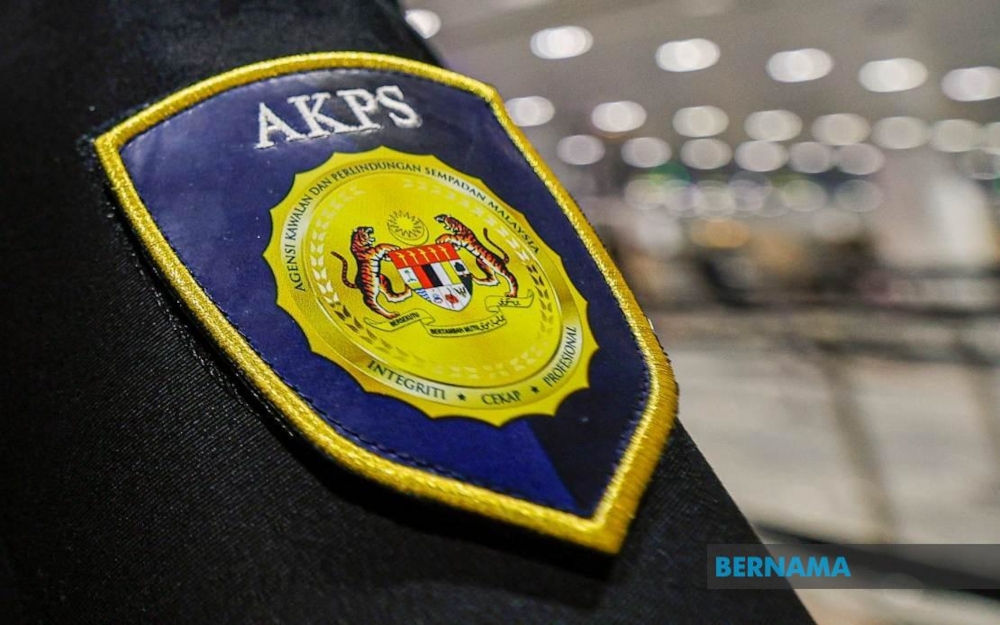
The Malaysian Border Control and Protection Agency (AKPS) has initiated a formal internal investigation into allegations that one of its officers at Kuala Lumpur International Airport 2 (KLIA 2) accepted a RM100 payment through a personal QR code, signalling renewed efforts to root out misconduct within the nation's immigration and border screening services.
The agency's decision to probe the incident comes amid growing scrutiny of irregular practices at Malaysia's premier aviation hub, where millions of travellers pass through annually. The use of a personal quick-response code to facilitate the alleged payment represents a modern twist on traditional bribery methods, suggesting that illicit transactions are increasingly adapting to digital payment ecosystems. This development underscores vulnerabilities in how personal mobile payment systems can be exploited to circumvent official channels and audit trails.
KLIA 2, which opened in 2014 to accommodate the explosive growth in budget and low-cost carrier traffic, has become the primary entry point for Southeast Asian and international visitors to Malaysia. The terminal's significance as both an economic gateway and security checkpoint makes allegations of officer misconduct particularly sensitive. Any erosion of public confidence in border officials threatens not only the nation's reputation but also the efficiency of legitimate passenger flows and cargo movements through one of the region's most important transportation nodes.
The AKPS, established to consolidate border management functions under a unified command structure, has positioned integrity and professionalism as cornerstones of its operational mandate. The agency's willingness to launch internal investigations demonstrates formal commitment to accountability, though critics have long noted that the implementation of such inquiries varies significantly depending on the prominence of individual cases and political attention. The question of how this particular allegation surfaced—whether through whistleblower channels, routine audits, or third-party complaints—remains unclear and carries implications for the agency's detection capabilities.
Digital payment technologies have transformed commerce and convenience across Malaysia, yet the incident illustrates how these same tools create novel vulnerabilities in high-security environments. Personal QR codes linked to digital wallets or banking applications leave minimal paper trails and can be deployed rapidly, making them attractive to those attempting to obscure improper transactions. The fact that such a scheme reportedly occurred at an international airport suggests that awareness of digital payment methods among potential bribe-givers may exceed the awareness among security personnel tasked with preventing such conduct.
The implications for KLIA 2 staff extend beyond the individual officer under investigation. If substantiated, the allegation could prompt wider training initiatives, policy reinforcement, and perhaps technological safeguards to prevent the misuse of personal payment codes within security-sensitive zones. Authorities may need to evaluate whether officers should be permitted to display personal payment credentials in their work areas, or whether additional restrictions should apply specifically to border and immigration staff.
For Malaysian travellers, particularly frequent business visitors and diaspora communities, incidents of this nature fuel frustrations about the professionalism of border services. While the vast majority of KLIA 2 officers perform their duties with integrity, high-profile cases of misconduct can disproportionately shape perceptions of the entire system. This reputational cost extends to Malaysia's positioning as a competitive regional hub for aviation and tourism, where seamless, corruption-free border experiences are increasingly expected by international travellers.
The internal investigation will likely examine whether the alleged RM100 payment was linked to any specific service expedited for the payer—such as accelerated document processing, waived procedures, or preferential treatment through immigration queues. The nature of the quid pro quo, if any, will be crucial in determining the severity of the misconduct and appropriate disciplinary action. AKPS will also need to clarify how the matter came to official attention and whether any system or procedural breakdowns enabled the transaction to occur.
Broader institutional questions loom in the background. How frequently do officers at KLIA 2 and other major entry points encounter offers of gratuities or improper payments? Are current training and monitoring mechanisms sufficient to deter such conduct? Do salary structures and working conditions within AKPS create financial pressures that make officers vulnerable to corruption? Addressing these systemic factors, rather than focusing narrowly on individual cases, remains critical to long-term reform.
The AKPS investigation also arrives during a period of heightened public discourse on corruption across Malaysian government agencies. High-profile cases and media scrutiny have placed border and immigration services under the microscope, raising expectations for swift, transparent, and conclusive investigations. How the agency handles this allegation will send important signals about whether institutional reform efforts translate into substantive behavioural change or remain largely performative.
As the investigation proceeds, Malaysian authorities must balance the presumption of innocence for the officer in question with the public interest in transparency. Publishing findings and disciplinary outcomes—where legally permissible—would demonstrate genuine commitment to accountability. Moreover, extending scrutiny beyond individual actors to examine systemic vulnerabilities and institutional practices would address root causes more effectively than isolated disciplinary action ever could.

