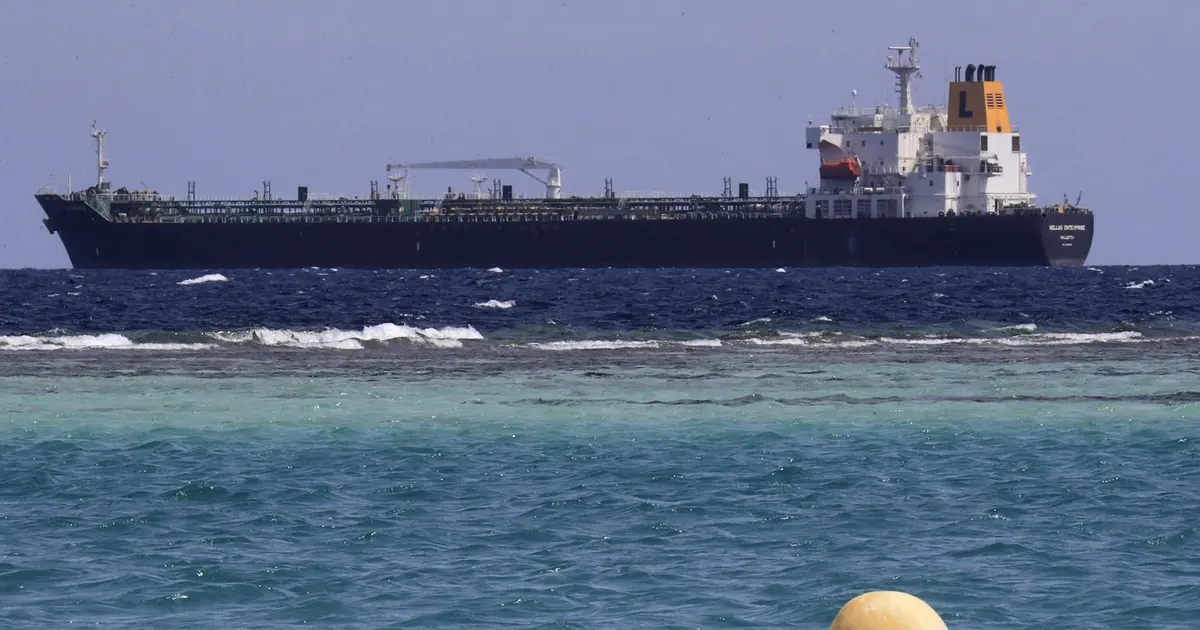
A petroleum-related vessel operated by Petronas has received authorisation to proceed through the Red Sea corridor, marking a modest but significant development for Malaysian energy infrastructure and regional maritime operations. The tanker is scheduled to arrive at the Port of Melaka within the coming weeks, resuming critical supply routes that have faced disruption due to escalating tensions in one of the world's most strategically vital waterways.
Prime Minister Anwar Ibrahim has characterised the vessel's clearance as evidence supporting Malaysia's consistent approach to international relations. The government leader emphasised that the approval reflects the tangible benefits derived from pursuing diplomatic equilibrium rather than aligning rigidly with any single regional or global power bloc. This statement carries particular weight given Malaysia's geographic position at the southern gateway of the Strait of Malacca, through which approximately one-third of global maritime trade transits annually.
The Red Sea passage has become increasingly contested and hazardous over recent months due to military operations and security concerns affecting commercial shipping. Multiple international carriers have rerouted vessels away from the traditional Suez Canal corridor, adding substantial costs and extending voyage durations. For Malaysia's downstream petroleum operations and regional supply chains, maintaining viable transit routes through the Red Sea remains economically consequential. The Petronas vessel's authorisation to proceed suggests that diplomatic channels remain open and functional despite wider geopolitical friction.
The clearance underscores how smaller regional players like Malaysia can maintain pragmatic engagement with multiple stakeholders in global disputes. Rather than taking pronounced political stances that might alienate trading partners or strategic allies, Malaysia's approach emphasises commercial and humanitarian concerns as the foundation for policy decisions. This framework has historically allowed the country to preserve economic relationships while maintaining political independence.
For Petronas specifically, the resumption of Red Sea transit routes represents operational flexibility and cost efficiency. Energy companies operating in Southeast Asia have faced mounting logistical challenges as alternative shipping corridors become congested and fuel surcharges accumulate. The Malaysian national oil company's ability to access traditional maritime passages supports the broader regional energy security architecture that many Southeast Asian economies depend upon for stable petroleum supplies and refined product availability.
The Port of Melaka's expected reception of the Petronas vessel next month will provide measurable confirmation that international shipping normalisation is gradually progressing. Melaka remains one of Southeast Asia's most important petroleum distribution and storage hubs, serving downstream markets across Malaysia and supporting regional trade networks. The arrival will likely encourage other energy sector operators to reassess their routing decisions and consider returning to conventionally faster, more economical transit options.
Anwar Ibrahim's framing of this development as validating Malaysia's foreign policy approach reveals the government's conviction that non-alignment and balanced diplomacy produce concrete economic returns. Malaysian policymakers have consistently resisted pressure to take categorical positions on regional conflicts, instead advocating for international law, freedom of navigation, and respect for established maritime conventions. The vessel's clearance provides practical justification for this stance, demonstrating that neutrality and measured engagement can yield tangible benefits for national commercial interests.
The timing of the announcement also reflects Malaysia's broader efforts to position itself as a stabilising influence within Southeast Asia. As regional economies remain heavily dependent on maritime trade and uninterrupted energy supplies, Malaysian leadership has sought to emphasise the mutual interest all parties share in maintaining open, functioning shipping corridors. This messaging appeals to both Western and Eastern stakeholders while avoiding language that suggests alignment with either bloc.
Beyond immediate petroleum logistics, the Petronas vessel's authorised passage carries symbolic weight for Malaysia's regional standing. The clearance demonstrates that Malaysian entities retain sufficient diplomatic standing to negotiate passage through contested areas where other nations' vessels face heightened scrutiny or restrictions. This credibility, accumulated through years of careful diplomatic positioning, represents an intangible but valuable strategic asset that contributes to Malaysia's ability to advance national economic interests.
The expected arrival in Melaka within the coming month will also provide important data regarding shipping route normalisation more broadly. Continued vessel arrivals through the Red Sea corridor would suggest that the acute security challenges affecting maritime commerce are gradually moderating, or that international coordination mechanisms are proving more effective than earlier assessments indicated. For Malaysian port operators and energy sector planners, tracking this pattern will inform decisions about inventory management and supply chain resilience going forward.
Regional observers will likely interpret this development as confirmation that Malaysia's foreign policy framework—emphasising pragmatism over ideological alignment—remains functionally effective despite evolving global circumstances. The government's ability to secure maritime passage for critical economic assets while maintaining relationships with diverse international partners suggests that the strategy of balanced engagement continues delivering results, at least in the near term. Whether this approach remains sustainable as global polarisation potentially deepens will represent an ongoing test of Malaysian diplomatic skill.

