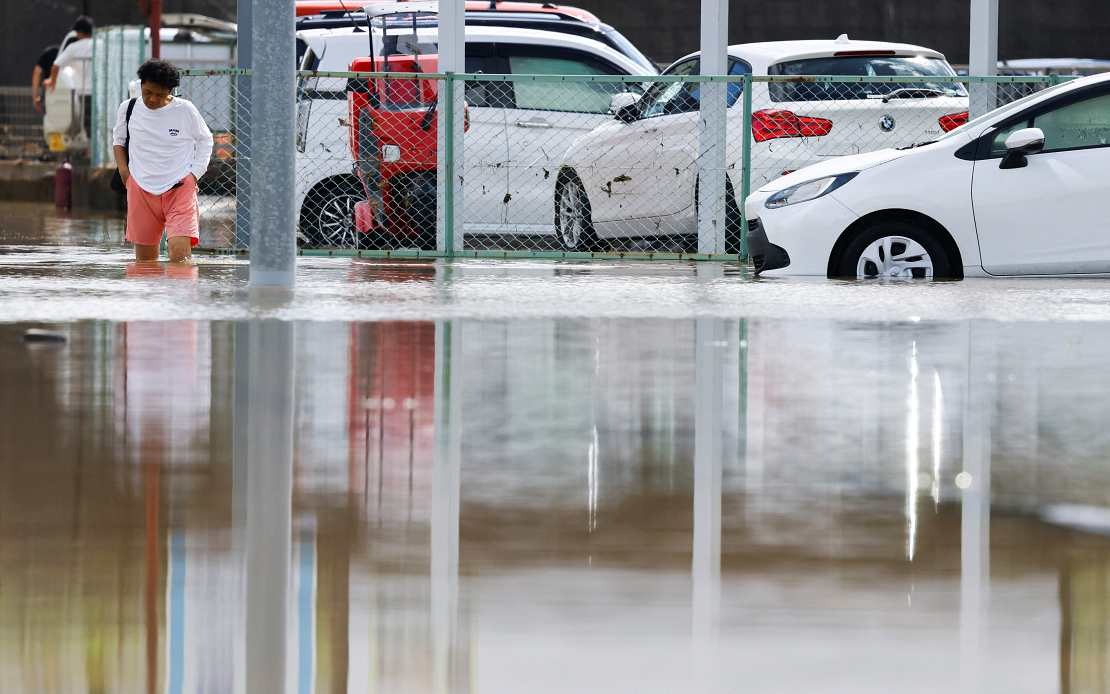
The Malaysian Embassy in Tokyo has issued a formal travel advisory cautioning its nationals against making unnecessary journeys throughout Japan's eastern regions as an unprecedented weather system pummels the Kanto area with torrential rainfall. The warning, released on Friday, comes as extreme flooding and landslides have created dangerous conditions across multiple prefectures, with Chiba Prefecture bearing the brunt of the natural disaster.
The scale of disruption has been remarkable, with the Japan Meteorological Agency raising its alert status to the maximum Level 5 classification covering more than one-third of municipalities in Chiba Prefecture, an area immediately east of Tokyo. This represents one of Japan's most serious weather warnings and indicates conditions have exceeded normal emergency response parameters. At least eight deaths have been recorded according to Kyodo News, though authorities fear the toll may rise as rescue operations continue in affected regions.
The most visible impact of the disaster has been the paralysis of critical transportation infrastructure connecting eastern Japan to the capital and beyond. Both road and rail networks have suffered extensive damage, with flooding blocking major routes and rendering many secondary roads impassable. The disruption has stranded approximately 7,000 travellers at Narita International Airport alone, forcing the facility to operate under severe capacity constraints as passengers attempt to rebook flights or find alternative routes.
Evacuation orders represent perhaps the starkest measure of the crisis's severity. At one point during the peak of the rainfall, authorities issued mandatory evacuation directives affecting more than 400,000 residents across multiple jurisdictions. These orders reflected genuine fears of further flooding, dam failures, and mudslides in vulnerable areas, prompting officials to move people from their homes to safer locations. The sheer number of people displaced demonstrates how comprehensively the weather system has disrupted normal life across the region.
For Malaysian visitors and residents scattered throughout Japan, the embassy's guidance emphasizes heightened awareness and adherence to local instructions. Citizens have been instructed to maintain distance from flooded zones and low-lying areas where water accumulation poses drowning risks and where hidden debris may create additional hazards. The advice extends to monitoring real-time updates from Japanese meteorological and emergency services, which continue issuing evacuation notices and transport advisories as conditions evolve.
The Malaysian Embassy in Tokyo has directed affected citizens to consult the Japan Meteorological Agency website at www.jma.go.jp/jma/indexe.html for the most current weather warnings, rainfall forecasts, and regional advisories. This resource provides real-time data that supersedes many commercial weather applications and reflects official government assessments of ongoing and anticipated conditions. Malaysians are encouraged to treat these alerts seriously and adjust travel plans accordingly.
Emergency contact procedures have been prominently advertised for nationals requiring assistance. The embassy's main telephone line +81-3-3476-3840 operates during standard business hours for routine inquiries and non-urgent matters. However, recognizing that crises often strike outside office hours, the mission has established a dedicated emergency hotline at +81-70-1471-9756 available at all times for citizens facing immediate danger or requiring urgent consular support.
Additional communication channels have been activated to ensure Malaysians can reach assistance through multiple pathways. The embassy accepts email inquiries at [email protected] for consular matters and [email protected] for general embassy business. These contact methods allow citizens to document concerns and maintain records of their communications with official Malaysian representatives during the ongoing emergency.
The timing of this weather system raises particular concern for Southeast Asian travellers, as Japan remains a popular destination for Malaysian tourists and businesspeople. Nationals planning trips to Japan during this period should seriously reconsider unnecessary journeys, particularly to the Kanto region encompassing Tokyo, Chiba, and surrounding prefectures. Even visitors to unaffected areas of Japan may experience cascading disruptions to flights, ground transportation, and accommodations as the disaster stretches logistics networks.
For Malaysians already present in flood-affected areas, the advisory stresses the importance of proactive communication with the embassy and maintaining awareness of evacuation developments. Residents and workers in Chiba Prefecture and neighboring jurisdictions should not assume that conditions will stabilize quickly, as Japanese weather reports indicate the rainfall pattern may persist or intensify in coming days. Those in temporary accommodation or uncertain about their building's flood risk should seek higher ground or relocate to safer facilities.
The Malaysian government's response reflects the challenging situation faced by diplomatic missions when natural disasters strike major economic partners. Japan hosts significant Malaysian business communities, student populations, and diplomatic personnel whose safety depends on timely, accurate guidance. The embassy's multi-channel approach to disseminating warnings demonstrates recognition that during crises, redundant communication pathways increase the likelihood that warnings reach all intended audiences.
Regionally, the Chiba flooding underscores the increasing frequency and intensity of extreme weather events affecting East and Southeast Asia. Climate scientists have identified warming atmospheric temperatures as intensifying rainfall patterns in temperate zones, suggesting that weather events of this magnitude may become more commonplace. Malaysian authorities monitoring climate trends recognize implications for both Japanese-bound travellers and for domestic preparedness as similar systems occasionally affect Malaysia's monsoon patterns.

