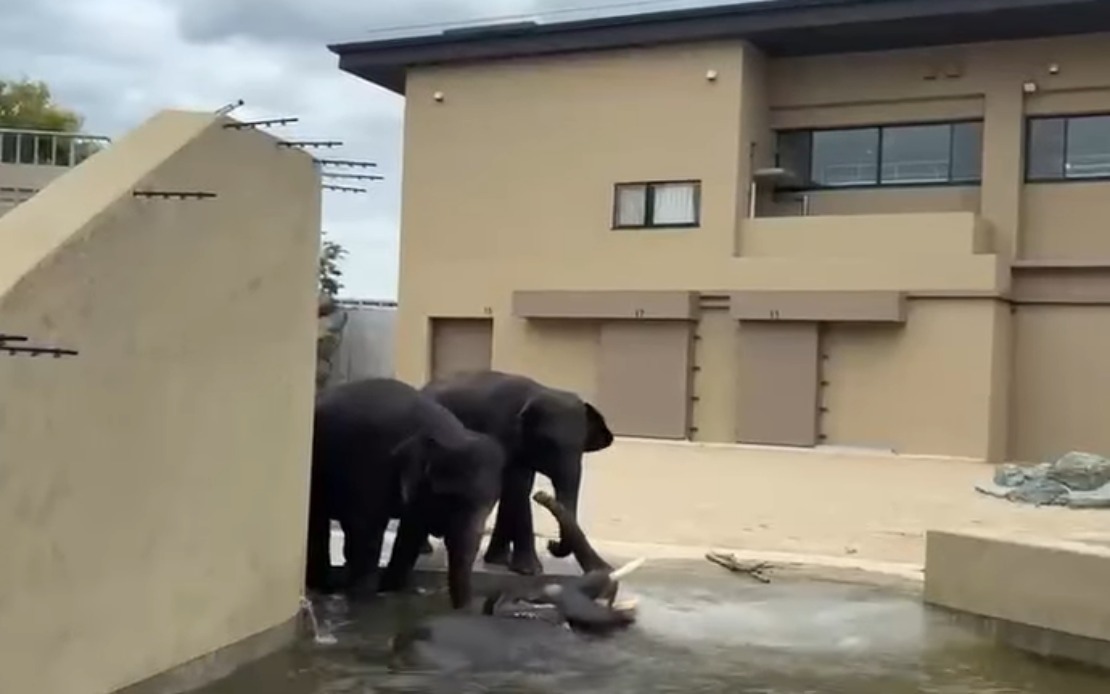
Three Malaysian elephants residing at Tennoji Zoo in Japan are continuing to demonstrate robust health and development, according to the latest welfare updates released by the Taiping Municipal Council. The three females—Dara, Amoi, and Kelat—have each recorded measurable improvements in their physical condition, providing a fresh milestone in what has become an increasingly scrutinized international animal exchange programme between Malaysia and Japan.
Muhammad Akmal Dahalan, the president of Taiping Municipal Council, shared encouraging metrics from the zoo's latest assessment. Kelat has shown the most substantial gain, adding 260 kilogrammes to her body weight, while Dara has increased by 35 kilograms and Amoi by 30 kilograms relative to their previous recorded weights. These gains suggest the animals are adapting well to their new environment and responding positively to the care regimen established at the Japanese facility.
The nutritional programme supporting these elephants reflects a comprehensive approach designed specifically around the species' biological requirements. The Tennoji Zoo animal care team has developed a daily diet combining various types of hay as the primary fibre source, supplemented with bamboo shoots, fresh grass, and cabbage. The feeding strategy also incorporates specially formulated elephant pellets developed to meet precise nutritional specifications, with all dietary decisions made under the oversight of qualified veterinary professionals.
Taiping Municipal Council has emphasized the collaborative framework underpinning these elephants' care, highlighting ongoing coordination with the Department of Wildlife and National Parks, known locally as Perhilitan, across Peninsular Malaysia. This partnership structure reflects Malaysia's commitment to maintaining internationally recognized welfare standards while managing animals under its responsibility abroad. The council has positioned itself as actively engaged in monitoring and assessment, rather than simply transferring animals and losing oversight.
The three elephants arrived at Tennoji Zoo under a formal international cooperation agreement established between the Japanese facility and Zoo Taiping & Night Safari, represented by Taiping Municipal Council. The initial framework was signed on 19 May 2022, with supplementary documentation finalized on 6 October 2022. This bilateral arrangement extends across 25 years, establishing a substantial long-term commitment that connects Malaysian wildlife management with Japanese zoological expertise and resources.
The context surrounding these elephants' transfer to Japan has drawn considerable public attention within Malaysia, reflecting broader societal concerns about animal welfare and the ethics of international wildlife exchanges. In response, Muhammad Akmal has called for measured public discourse grounded in verified facts rather than allegations lacking professional assessment. He characterized the Tennoji arrangement as part of Malaysia's broader wildlife conservation efforts and emphasized the importance of maintaining credibility in international partnerships.
The council has committed to transparency and accountability, signaling its willingness to cooperate with any relevant authorities undertaking reviews or investigations related to the programme. This openness appears designed to address scepticism about the decision to place Malaysian elephants overseas, particularly given domestic concerns about animal care standards. The stance acknowledges public legitimacy in questioning such arrangements whilst maintaining the programme is operating within professional and ethical frameworks.
For Malaysian readers, the significance of this programme extends beyond individual animal welfare to encompass Malaysia's positioning within international conservation networks. The 25-year agreement with Tennoji Zoo represents a deliberate strategic choice to engage Japanese expertise and facilities in elephant management. This partnership model reflects how Southeast Asian nations increasingly collaborate with developed countries on wildlife matters, creating complex questions about sovereignty, capacity, and cultural values surrounding animal stewardship.
The steady weight gains reported suggest the elephants have moved beyond any potential acclimation challenges. Significant weight increases, particularly Kelat's gain of 260 kilograms, typically indicate animals receiving appropriate nutrition, sufficient space for natural behaviours, and absence of acute stress or illness. Such outcomes provide concrete evidence countering concerns that elephants transferred to foreign facilities might experience decline, though ongoing monitoring remains essential across the full 25-year arrangement.
Tennoji Zoo's approach to elephant husbandry aligns with modern zoological standards emphasizing species-appropriate feeding and enrichment. The incorporation of naturally preferred foods like bamboo shoots and fresh grass, combined with scientifically formulated supplements, demonstrates sophisticated nutritional management. Japanese zoos have gained international recognition for habitat design and animal care methodology, potentially explaining why Malaysian authorities selected this particular facility for this long-term partnership.
The controversy surrounding these elephants underscores a tension within Southeast Asia regarding where captive wildlife should be housed and managed. Malaysia possesses significant natural elephant populations in the wild and operates several domestic facilities, yet chose to send three individuals internationally. This decision likely reflected considerations of available expertise, facility capacity, or conservation breeding programme participation, though public communication about these rationales has remained limited.
Moving forward, the regular health updates being issued suggest Taiping Municipal Council intends to maintain public engagement on the elephants' progress. Continued transparency through periodic reports could help rebuild confidence in the arrangement and demonstrate that international wildlife partnerships, when properly managed, need not represent abandonment of Malaysian animals. The reported wellness of Dara, Amoi, and Kelat provides substantive evidence supporting the council's assertions about professional care standards at Tennoji Zoo.

