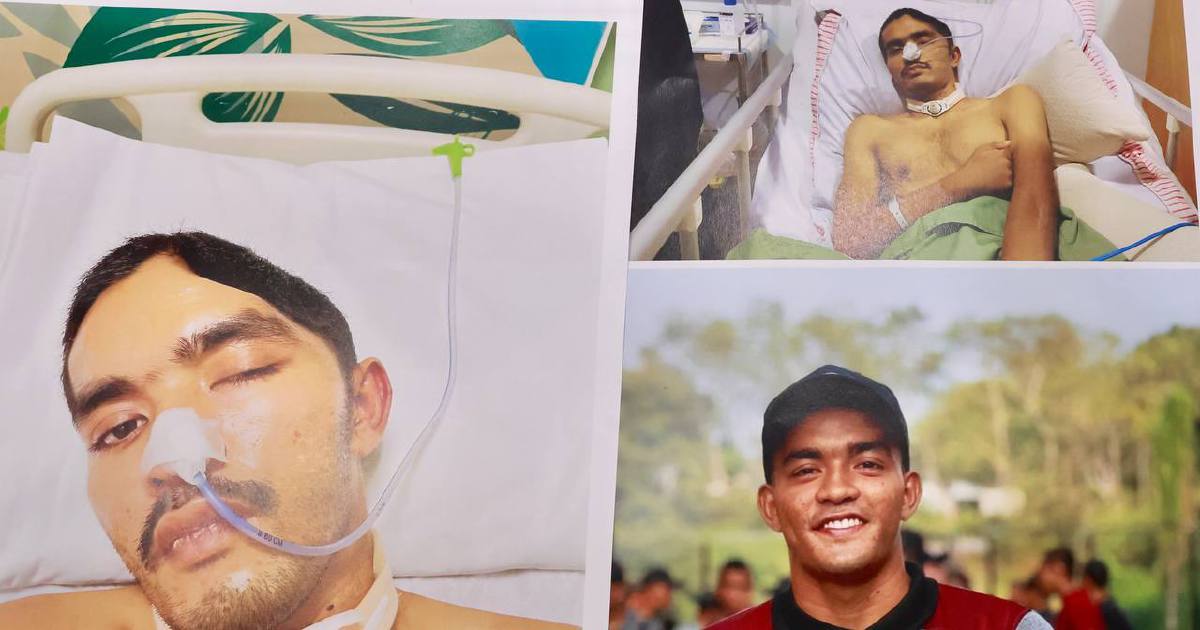
The Malaysian Armed Forces has finalised its internal investigation into a grave incident occurring in March at one of its installations in Johor state, which resulted in a commando sustaining critical injuries. The conclusion of the probe marks a transition from the investigative phase to the implementation of disciplinary measures, with dismissals already being carried out as consequences determined by the inquiry.
The identity of the injured commando and the precise mechanism by which the injury occurred have remained confidential details throughout the military's handling of the matter. Such sensitivity around personnel incidents at military facilities reflects standard protocols designed to protect individual privacy while internal proceedings occur. However, the gravity of the injury was sufficient to warrant a comprehensive institutional examination of the circumstances and any contributing factors that led to the accident.
Military investigations into workplace incidents within armed forces establishments typically examine training procedures, adherence to safety protocols, supervision standards, and equipment maintenance. The triggering of disciplinary dismissals suggests that the investigation identified systemic failures or individual misconduct that directly contributed to the commando's serious injury. In institutional military contexts, such findings often point to lapses in command responsibility or failure to observe established safety procedures.
For Malaysia's defence establishment, incidents of this nature carry significant implications beyond the immediate personnel affected. They raise questions about the adequacy of occupational health and safety frameworks within military training environments, where higher physical risk is inherent to operations. The transparency with which the Armed Forces has acknowledged both the investigation's completion and the commencement of dismissals suggests an institutional commitment to accountability, an increasingly important consideration in public-sector governance across Southeast Asia.
The Johor military camp implicated in this incident remains one of several defence installations throughout the state serving as training grounds for the Malaysian Armed Forces. Such facilities support diverse operational training programmes and often handle sensitive defence activities. When incidents occur at such locations, they frequently prompt broader reviews of institutional protocols, not only at the specific base but potentially across similar facilities nationwide.
Disciplinary dismissals from military service represent a severe career consequence, suggesting that the investigation's findings were substantive enough to warrant permanent separation from the service. This outcome indicates that whatever lapses occurred were deemed serious enough to render continued military employment untenable for the individual or individuals held responsible. Such measures typically follow a documented process that includes formal charges, evidence presentation, and opportunity for the accused to respond before final determination.
The incident and its aftermath acquire particular resonance given Malaysia's defence modernisation efforts and the operational demands placed on military personnel. As the armed forces undertake force-restructuring initiatives and equipment upgrades, maintaining rigorous safety standards and accountability mechanisms becomes central to operational effectiveness and institutional credibility. Instances where preventable injuries occur can undermine public confidence in the military's capacity to safeguard personnel under its command.
The conclusion of this specific investigation may also trigger broader institutional reviews. Military organisations frequently conduct wider systemic audits following serious incidents to identify whether similar vulnerabilities exist elsewhere in their command structure or training apparatus. Such proactive measures, when implemented thoroughly, can prevent recurrence of comparable incidents and demonstrate institutional responsiveness to accountability demands.
For Malaysian defence observers and personnel within the armed forces community, this matter exemplifies the tension between military hierarchy and accountability standards. While operational necessity demands clear chains of command and disciplinary structures, contemporary governance expectations increasingly emphasise transparent investigation of serious incidents and meaningful consequences for failures that endanger personnel. The Malaysian Army's handling of this case, including the public acknowledgement of investigation completion and disciplinary proceedings, reflects this evolving institutional expectation.
The incident also underscores persistent challenges faced by military establishments region-wide in reconciling traditional operational practices with modern occupational safety standards. Several Southeast Asian defence forces have undertaken significant reforms in recent years to strengthen safety protocols and investigation mechanisms following high-profile incidents. Malaysia's approach to this Johor case may serve as a reference point for how the defence establishment manages accountability in sensitive institutional contexts.
Moving forward, the practical implementation of disciplinary measures will require careful documentation and personnel management to maintain institutional integrity while ensuring that the individuals dismissed receive appropriate procedural fairness. The case will likely inform policy discussions within defence leadership circles regarding training protocols, supervision requirements, and incident response mechanisms at military installations. For the injured commando, the conclusion of the investigation may open pathways for compensation claims or medical support, depending on the determined cause of the injury and applicable military welfare provisions.
The successful completion of this investigation demonstrates that Malaysia's defence establishment possesses functional accountability mechanisms, though the incident itself highlights why such mechanisms must remain perpetually vigilant. As military operations grow more complex and training environments more demanding, the standards for personnel safety and institutional oversight must correspondingly strengthen to protect the men and women serving in the armed forces.

