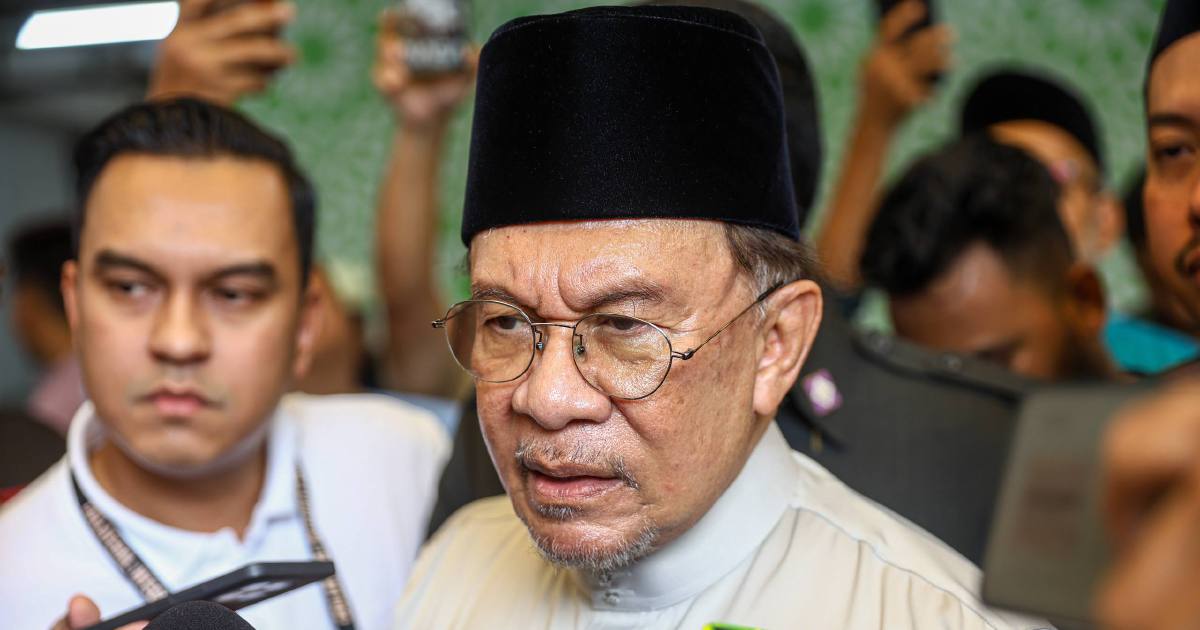
Prime Minister Datuk Seri Anwar Ibrahim has made clear that Malaysia's pursuit of fugitive businessman Low Taek Jho, popularly known as Jho Low, will not waver even if the United States extends a presidential pardon to shield him from prosecution. Speaking in Kuala Lumpur, Anwar underscored the government's resolve to hold the businessman accountable for his alleged involvement in the massive 1Malaysia Development Berhad scandal, signalling that any clemency granted by Washington would not alter Putrajaya's legal strategies or commitment to justice.
The statement carries considerable weight given the ongoing international dimensions of the Jho Low case, which has drawn scrutiny from authorities across multiple jurisdictions. The businessman remains a central figure in one of the largest financial frauds ever investigated, with the 1MDB affair having exposed a web of corruption that implicated senior officials and executives across government and corporate entities. The scandal resulted in billions of ringgit being siphoned from the state investment fund through an elaborate scheme that involved international bank transfers and asset purchases across the globe.
Jho Low's current whereabouts remain unclear, with reports suggesting he may be residing in a jurisdiction beyond Malaysia's legal reach. The fugitive status has not prevented Malaysian authorities from pursuing multiple legal avenues, including Interpol red notices and bilateral extradition requests. The government has recovered substantial sums linked to assets purchased through diverted 1MDB funds, though a significant portion of the estimated RM42 billion misappropriated remains unaccounted for. This ongoing effort reflects Malaysia's determination to pursue accountability regardless of external obstacles.
Anwar's statement also reflects domestic political considerations. The 1MDB scandal fundamentally altered Malaysian politics, contributing to the watershed 2018 general election result that ended the Barisan Nasional's six-decade dominance. The new administration, which Anwar joined as Finance Minister before becoming Prime Minister, had made investigating and prosecuting those responsible a cornerstone of its legitimacy. Public memory of the scandal remains vivid among Malaysian voters, and any perceived softening of the government's stance would attract significant criticism.
The possibility of a US presidential pardon was raised in speculative media reports but has not been confirmed by official channels. Nevertheless, Anwar's preemptive clarification demonstrates the government's awareness that such a development could occur and signals that Malaysia has prepared its response. The Prime Minister's emphasis that such a pardon would be ineffective in changing Malaysia's position is a reminder that presidential clemency granted by one nation cannot nullify another sovereign state's legal proceedings or warrants.
From an international law perspective, this situation underscores the complexity of cross-border prosecutions in an increasingly connected financial system. While the United States and Malaysia maintain robust bilateral relations, they operate under separate legal frameworks. A pardon from one jurisdiction does not automatically shield an individual from prosecution in another. Malaysia maintains jurisdiction over crimes alleged to have harmed Malaysian entities and citizens, regardless of where the defendant may be located or what clemency other governments might grant.
The case also illustrates broader challenges facing Southeast Asian nations in pursuing financial accountability. The 1MDB scandal exposed vulnerabilities in international financial transparency and highlighted how modern corruption can leverage complex networks spanning multiple countries and financial systems. Malaysia's persistence in pursuing Jho Low serves as a demonstration of how nations can maintain pressure on suspects even when conventional law enforcement mechanisms face limitations.
For investors and stakeholders monitoring Malaysia's institutional integrity, Anwar's statement provides reassurance that the government remains committed to upholding rule of law principles. The continued pursuit of accountability in high-profile cases signals to both domestic and international audiences that corruption will not be overlooked regardless of the perpetrator's ability to evade arrest or seek shelter abroad. This commitment has implications for Malaysia's standing within the international community and its efforts to strengthen institutions that support economic stability.
The broader regional context is equally significant. Other Southeast Asian nations contending with corruption investigations and cross-border financial crimes are watching how Malaysia handles the Jho Low situation. The government's refusal to be deterred by potential foreign interventions, whether through presidential pardons or other diplomatic mechanisms, establishes a precedent that resonates across the region. It suggests that Southeast Asian governments are increasingly willing to pursue their own legal interests independently rather than defer to external pressures or developments.
Anwar's remarks also reflect the evolution of Malaysia's international legal strategy over recent years. The country has strengthened cooperation with law enforcement agencies in multiple nations, secured extradition arrangements, and coordinated asset recovery efforts across borders. This multifaceted approach has already yielded results through recovered assets and convictions of individuals involved in the 1MDB scheme. The government's confidence in stating that a US pardon would not affect Malaysia's stance suggests optimism about these mechanisms remaining effective.
The financial impact of the 1MDB scandal on Malaysia's economy and public finances remains substantial. Funds diverted from the development vehicle could have funded infrastructure, education, and healthcare initiatives that would have benefited millions of Malaysians. This reality ensures that public interest in pursuing those responsible remains high, providing political support for the government's legal efforts. Citizens and analysts continue to track developments in the case closely, viewing the pursuit of accountability as essential to restoring confidence in Malaysian institutions.
Moving forward, Malaysia's commitment to the Jho Low case will likely persist through multiple channels simultaneously—domestic prosecution efforts, international cooperation, asset recovery initiatives, and pressure on countries that might harbour the fugitive. The government's clarification regarding potential US pardons demonstrates that it has considered various scenarios and remains prepared to navigate them without compromising its fundamental objective of bringing the businessman to account for the massive fraud that affected the nation's development and prosperity.

