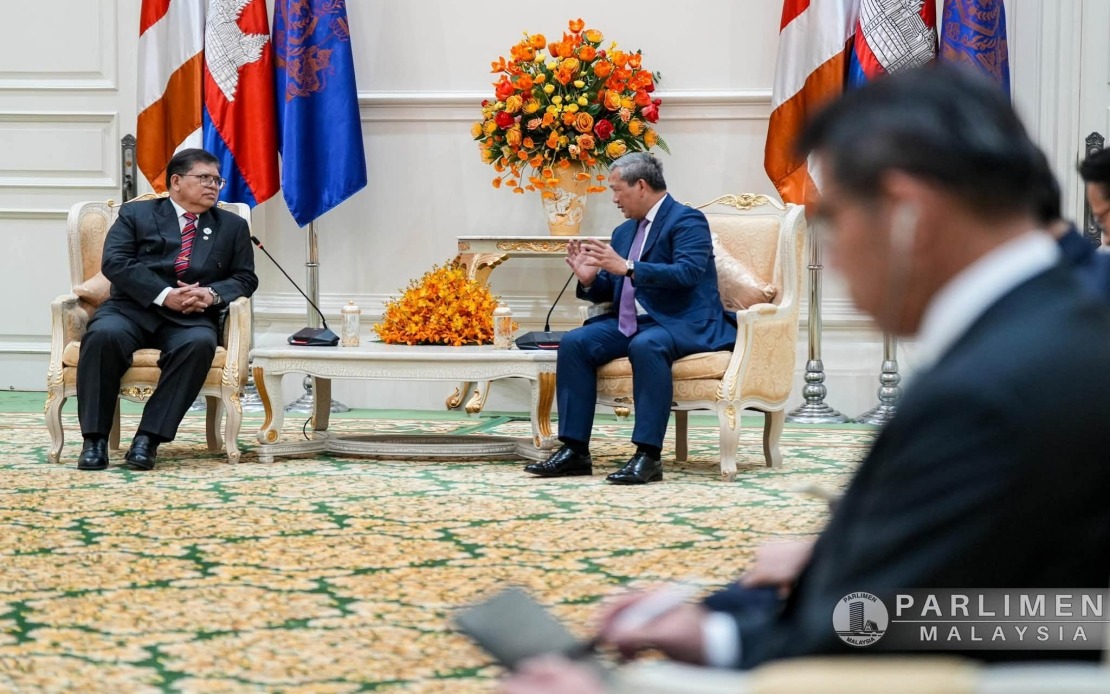
Malaysia's commitment to regional stability has been reaffirmed through calls for sustained diplomatic engagement between Cambodia and Thailand over their longstanding border tensions. Dewan Rakyat Speaker Tan Sri Johari Abdul, speaking after discussions with Cambodian Prime Minister Hun Manet at the Second Inter-Parliamentary Speakers' Conference in Phnom Penh, stressed that dialogue and diplomacy must remain the cornerstone of addressing disputes within Southeast Asia.
The border issue between Cambodia and Thailand represents one of the most persistent security challenges in the region, periodically flaring into military confrontations that have claimed lives and displaced communities. Johari's intervention reflects Malaysia's broader role as a stabilising force within ASEAN, highlighting how individual member state conflicts can reverberate across the bloc's collective interests. By emphasising dialogue, Malaysia signals to both nations that external pressure exists for peaceful resolution rather than military posturing.
Johari articulated a strategic rationale for his diplomatic approach, noting that unresolved bilateral disputes risk eroding the foundational principles upon which ASEAN operates. The regional organisation, he explained, functions as a critical institutional framework where member states build confidence, identify areas of mutual benefit, and manage disagreements through structured negotiation rather than coercion. When disputes remain unresolved, they create friction that complicates cooperation on trade, security, and climate issues affecting all ten member nations.
Malaysia's explicit acknowledgment of Cambodia's position is significant, as it demonstrates balanced diplomacy while maintaining pressure for resolution. Johari noted Malaysia's understanding of Cambodian concerns regarding the border situation and its effects on civilian populations in border regions, suggesting Malaysia has conducted detailed consultations to comprehend the humanitarian dimensions of the dispute beyond mere territorial claims.
The Malaysian speaker's emphasis on returning parties to the negotiating table carries practical weight given Malaysia's own experience navigating maritime boundary disputes and its investment in regional peace mechanisms. By positioning Malaysia as a supporter of negotiated settlements rather than accepting fait accompli military arrangements, Kuala Lumpur subtly reminds both Cambodia and Thailand that the international community, including fellow ASEAN members, monitors progress toward resolution.
Beyond the border issue, Johari's visit advanced bilateral cooperation across multiple dimensions. Parliamentary cooperation between Malaysia and Cambodia provides a secondary channel for diplomatic engagement, allowing legislators to build personal relationships that complement official government interactions. Such inter-parliamentary ties have historically proven valuable during periods when governmental relations face strain, offering alternative communication pathways.
Economic cooperation formed another pillar of discussions, reflecting Malaysia's pragmatic approach to regional relations. Malaysian companies operating in Cambodia require stable conditions to invest and expand operations, while Cambodia benefits from the employment and technology transfer these enterprises provide. Johari's expression of appreciation for Cambodia's investment-friendly policies signals Malaysia's desire to maintain economic momentum despite periodic political tensions in the region.
The discussion of youth exchange programmes and educational cooperation addresses long-term stability through people-to-people connections. By fostering relationships between younger generations in Malaysia and Cambodia, both nations build constituencies with vested interests in continued peaceful coexistence. Educational partnerships, particularly in Technical and Vocational Education and Training, create mutual economic incentives by developing skilled workforces beneficial to both countries' development agendas.
The expansion of TVET cooperation specifically reflects practical recognition that Southeast Asia's future prosperity depends on human capital development. Skills training programmes, institutional exchanges, and industry collaboration create employment pathways while addressing skills shortages both nations face. These initiatives position Malaysia as a development partner rather than merely a peace broker, deepening bilateral ties beyond security concerns.
Malaysia's commitment to Cambodia extends to creating an enabling environment for bilateral prosperity, as evidenced by Johari's recognition of Cambodia's facilitating role in Malaysian business operations. This reciprocal acknowledgment reinforces that cooperation benefits both nations economically, creating stakeholder support for continued stable relations at both governmental and business levels.
The timing of these discussions at an inter-parliamentary conference proves strategically valuable, as such forums typically attract senior legislative figures and provide informal spaces for candid discussion away from formal diplomatic protocols. Johari's ability to engage Prime Minister Hun Manet directly on substantive regional issues demonstrates the elevated platform these conferences provide.
Moving forward, Malaysia's positioning as a supporter of Cambodia-Thailand dialogue serves multiple interests. It bolsters Malaysia's standing as a responsible regional actor committed to ASEAN cohesion, potentially strengthening its voice in future regional disputes. It also signals to international powers that ASEAN prefers managing its own disputes internally, reducing opportunities for external interference in Southeast Asian affairs.
The emphasis on dialogue and diplomacy, while appearing routine in diplomatic language, carries specific significance given periodic military flare-ups along the Cambodia-Thailand border. Malaysia's repeated assertions that peaceful resolution remains possible and preferable helps counter narratives suggesting military confrontation is inevitable or acceptable. Through sustained engagement, Malaysia reinforces that the international community expects and supports peaceful resolution pathways.

