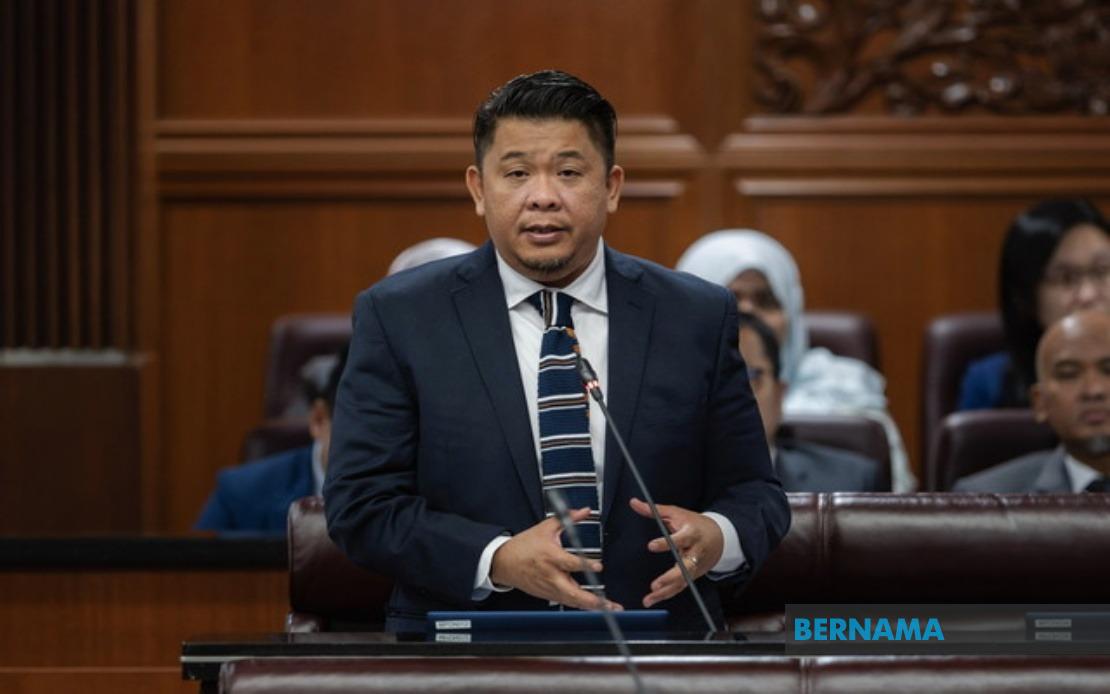
The Malaysian government has confirmed it is closely tracking the movements of 21,427 nationals positioned across 14 countries experiencing active conflict or security instability. Deputy Foreign Minister Datuk Lukanisman Awang Sauni disclosed this figure during parliamentary questioning in the Dewan Negara, signalling that Wisma Putra maintains real-time awareness of citizen locations and vulnerability levels throughout these volatile regions. The revelation underscores the scale of Malaysia's diaspora in geopolitically sensitive areas and the logistical complexity involved in safeguarding them.
The government's monitoring capacity has been substantially enhanced by lessons learned from managing previous international crises affecting Malaysian communities abroad. Rather than treating evacuation as an ad-hoc response, Wisma Putra has embedded preparedness into its institutional framework, developing standardised protocols that can be activated with minimal delay when circumstances demand swift action. This proactive stance reflects recognition that the window for extracting citizens safely can close rapidly once security conditions deteriorate, making advance planning essential to protecting lives.
Lukanisman outlined a multi-agency coordination structure that extends well beyond the Foreign Ministry itself. The operational framework incorporates relevant government departments, the Royal Malaysian Air Force, commercial airlines capable of mounting charter operations, travel agencies, non-governmental organisations, and Umrah operators who maintain their own networks within the Middle East. This distributed approach acknowledges that evacuation success depends on pooling resources and expertise across sectors, rather than relying on any single entity. Petronas, given its significant operational presence abroad, has also developed independent employee evacuation capabilities that integrate with broader government frameworks.
All Malaysian diplomatic missions have been mandated to maintain constantly updated contingency plans tailored to their specific contexts and resident populations. These plans encompass detailed mapping of where Malaysians are located within mission territories, establishing multiple communication channels to reach citizens rapidly, identifying and pre-positioning resources needed for evacuation, and plotting evacuation routes and destinations. Rather than treating these as static documents, the Foreign Ministry emphasises active, ongoing refinement as security assessments evolve. The plans function as operational handbooks for embassy and consulate personnel, ensuring consistent and effective implementation when activation becomes necessary.
A critical component of Malaysia's protective strategy relies on citizen cooperation through voluntary registration. Malaysians currently abroad or contemplating travel are encouraged to register with their nearest diplomatic mission through email, telephone contact, or the e-Consular system, simultaneously downloading the MyWorldAlert application to receive emergency alerts and situational updates. This two-way information channel enables Wisma Putra to locate citizens needing assistance while ensuring individuals understand available support mechanisms. However, registration remains voluntary, meaning the government's actual knowledge of citizen locations likely falls short of comprehensive coverage, particularly among those engaged in informal economic activities or residing in remote areas.
The escalation of geopolitical tensions in West Asia earlier this year prompted the Foreign Ministry to issue three separate travel advisories, reflecting the volatility of the operating environment and the evolving assessment of risks confronting Malaysian travellers and residents. The timing of these advisories demonstrates that Wisma Putra actively calibrates warnings to match real-time security developments rather than issuing generic or outdated guidance. Following the April 8 ceasefire announcement and subsequent reopening of regional airspace, the security environment has gradually stabilised, though underlying tensions remain.
For Malaysian students studying in conflict-affected regions, the government has incorporated educational institutions into its protective framework, recognising that younger citizens abroad may lack experience navigating security crises independently. The coordination ensures that student welfare concerns inform evacuation planning and that information reaches academic institutions and their Malaysian student bodies through established channels. However, the composition of the 21,427 monitored individuals remains unclear—whether they include temporary visitors, long-term residents, workers, students, business personnel, or a mix across all categories. This demographic breakdown would be relevant for assessing resource requirements and evacuation timelines.
The activation threshold for evacuation operations remains flexible, tied to evolving risk assessments rather than predetermined triggers. Lukanisman noted that implementation depends on current circumstances, local security developments, and the number of Malaysians potentially requiring assistance, suggesting a graduated response approach rather than binary activation. This flexibility permits measured interventions proportionate to actual threats, avoiding panic while ensuring readiness to escalate if conditions warrant. Nevertheless, determining when thresholds have been crossed involves subjective judgment calls that could generate disputes between diplomats on the ground and decision-makers in Kuala Lumpur, particularly if communications break down during acute crises.
The existence of comprehensive evacuation planning carries implications extending beyond immediate humanitarian concerns. It signals to international partners that Malaysia takes citizen protection seriously and maintains state capacity to execute complex overseas operations. Conversely, it highlights Malaysia's vulnerability to regional instability, given the substantial number of citizens embedded in zones of potential conflict. The economic impact of mass evacuation could be substantial if it involves withdrawing skilled workers, business personnel, or students mid-semester, disrupting remittances, business operations, and educational progress. Some Malaysian workers in conflict-adjacent regions may deliberately avoid registration to prevent triggering evacuation that could jeopardise employment.
The Foreign Ministry's framework also reflects growing recognition that traditional consular services—passport renewals, notarisation, visa assistance—constitute only one dimension of modern diplomacy. Increasingly, missions must function as crisis management nodes capable of rapid mobilisation for citizen protection. This expanded role requires investment in staff training, communication infrastructure, and contingency funding, strains that smaller or more resource-constrained missions may struggle to accommodate. The Malaysian case demonstrates how even a middle-income Southeast Asian nation must maintain significant institutional capacity dedicated to overseas citizen protection, a burden that smaller nations may find difficult to sustain.
Moving forward, the government's monitoring and evacuation preparations will likely face periodic testing as geopolitical volatility persists in the Middle East and other regions where Malaysian communities concentrate. The effectiveness of these frameworks will ultimately be tested not through theoretical exercises but through actual crises where communications fail, transportation becomes scarce, security deteriorates faster than anticipated, and citizens face genuine danger. The mechanisms established by Wisma Putra represent Malaysia's current best attempt at managing these challenges, though real-world complexities invariably exceed even well-designed contingency plans.

