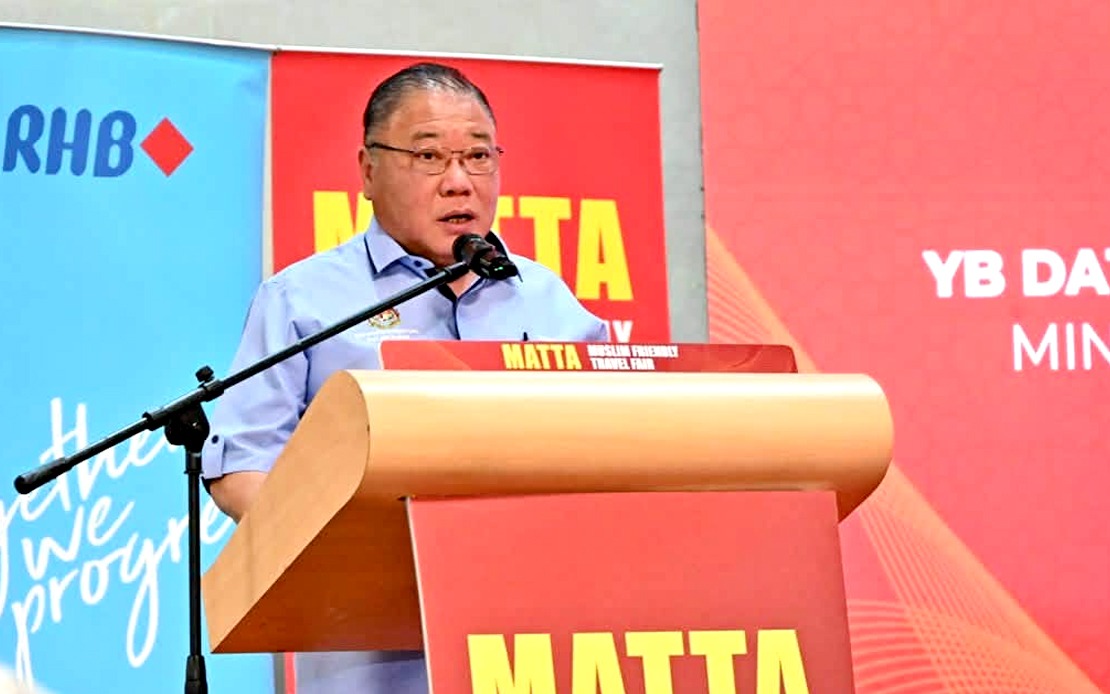
The Malaysian government is taking decisive steps to regulate the umrah package market by introducing a minimum pricing mechanism designed to protect religious pilgrims from unscrupulous operators. Tourism, Arts and Culture Minister Datuk Seri Tiong King Sing revealed the plan during the opening ceremony of the Malaysian Association of Tour and Travel Agents (MATTA) Muslim Friendly Travel Fair 2026 in Kuala Lumpur, signalling that authorities view this issue with considerable urgency following consultations with multiple agencies including Tabung Haji and the Ministry in the Prime Minister's Department (Religious Affairs).
The regulatory framework will require travel operators providing umrah services to maintain pricing above a prescribed floor while maintaining transparent disclosure of what services are actually included in each package offering. This approach addresses a persistent problem where operators compete by slashing prices to unsustainable levels, ultimately compromising the quality of accommodation, transportation, meals, and religious guidance that pilgrims expect and deserve. Tiong articulated the underlying concern with striking clarity: the government does not want Malaysians embarking on umrah only to find themselves stranded abroad unable to return, or arriving at their destination unable to properly fulfil their religious obligations due to inadequate arrangements.
Operators will retain flexibility to create tiered offerings at different price points, with categories potentially labelled as Premium, Gold, Silver, and Platinum, provided each tier meets minimum price thresholds appropriate to its service level. This structure allows the market to function while establishing a safety floor below which quality inevitably deteriorates. The initiative reflects an understanding that religious travel differs fundamentally from leisure tourism; pilgrims are vulnerable to false economy because they prioritise completing their spiritual mission, making them susceptible to cost-cutting operators who underinvest in essential services.
The competitive landscape for attracting Muslim travellers has intensified significantly across Southeast Asia and beyond. Tiong pointed to Macau as an emerging competitor, highlighting how that jurisdiction has strategically expanded halal dining options, developed Muslim-friendly accommodation standards, installed dedicated prayer facilities in its airport infrastructure, and created tailored travel information systems for Muslim visitors. These developments underscore that Malaysia faces mounting pressure from regional and international destinations actively courting the same pilgrim and Muslim tourist demographics that form the backbone of umrah travel demand.
Malaysia's positioning as a Muslim-friendly tourism destination rests on more than regulatory intervention alone. The tourism sector must foster genuine innovation throughout the value chain, from hospitality providers to transportation operators to information services. Tiong emphasised that strengthening collaboration among industry players remains essential, particularly in aligning standards and sharing best practices that elevate the entire ecosystem. International promotion of Malaysia's Muslim-Friendly Tourism and Hospitality (MFTH) framework must accelerate to ensure Malaysian offerings remain distinctive and attractive compared to competitors actively repositioning themselves.
For Malaysian umrah operators, the regulation introduces both constraint and opportunity. While minimum pricing prevents the race-to-the-bottom dynamic that has plagued the sector, it also establishes clearer competitive parameters where differentiation depends on quality and service innovation rather than merely undercutting rivals. Operators meeting the standards can market with greater confidence to pilgrims, knowing competitors cannot exploit pricing loopholes to offer suspiciously cheap alternatives that raise red flags about service integrity.
The stakes for pilgrims themselves are substantial. Umrah represents a significant financial investment for most Malaysian families, often involving savings accumulated over considerable time. When packages are priced artificially low, operators frequently compensate by reducing quality in ways not immediately apparent to consumers before departure. Pilgrims may discover substandard accommodation, rushed schedules preventing proper worship, poor meals, or inadequate guidance only after arriving in Saudi Arabia, where remedying problems becomes exponentially difficult and expensive.
Tabung Haji's involvement in these regulatory discussions carries particular significance given its institutional role protecting pilgrims' interests and managing hajj and umrah savings for millions of Malaysians. The entity's partnership with the Tourism Ministry ensures regulations align with consumer protection principles and the specific vulnerabilities of religious travellers. Coordination between these agencies reflects the government's holistic approach to safeguarding citizens undertaking overseas religious journeys.
The initiative also addresses reputational concerns affecting Malaysia's standing as a reliable Muslim travel destination. When pilgrims experience substandard service or exploitative practices, word spreads through diaspora networks and religious communities with significant velocity. Conversely, pilgrims receiving quality service become ambassadors for Malaysia's tourism offerings, influencing family members and community networks to choose Malaysian-organised travel for future journeys. Protecting the pilgrim experience therefore generates positive externalities for the broader tourism sector.
Implementing these standards effectively will require coordinated enforcement involving the Tourism Ministry, Tabung Haji, and potentially other regulatory bodies. Operators must maintain clear documentation of their pricing structures, service inclusions, and compliance records. The government should establish accessible complaint mechanisms enabling pilgrims to report violations during or after their journeys, with swift remedial action against operators violating standards. Transparent enforcement builds market credibility and deters non-compliant operators.
This regulatory intervention arrives at a crucial juncture as Malaysia cultivates its Muslim-friendly tourism brand. The umrah market represents one of the most sensitive segments within this ecosystem because it involves religious obligations and vulnerable consumers often unfamiliar with international travel. Establishing robust protections and quality standards demonstrates governmental commitment to ethical tourism practices that benefit both pilgrims and the destination's long-term reputation. Success in regulating umrah travel effectively can provide a template for addressing quality concerns across other Muslim-friendly tourism categories.

