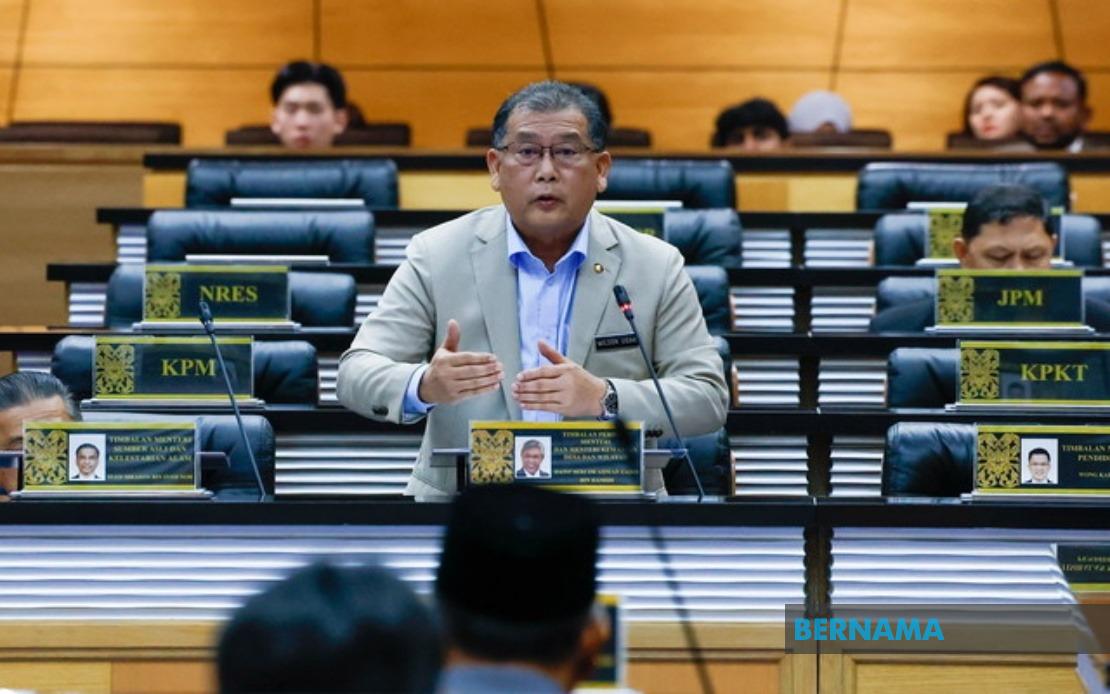
The Malaysian government is moving forward with an ambitious infrastructure initiative to strengthen its disaster response capabilities through 15 permanent disaster relief centres spread across nine states, with operations beginning in phased stages throughout 2024. Speaking in the Dewan Rakyat, Datuk Wilson Ugak Kumbong, representing the Ministry of Rural and Regional Development, outlined the current status of these facilities—two are already operational in Johor and Pahang, nine remain under active construction, while four are still navigating procurement and planning phases. This nationwide deployment represents a fundamental restructuring of how Malaysia approaches emergency shelter provision during flood seasons and other natural calamities.
The initiative, formally introduced in 2023, addresses a longstanding challenge within Malaysia's disaster management framework: the heavy reliance on educational institutions as temporary refuge points during flooding events. Schools have traditionally served as makeshift evacuation centres during monsoon seasons and emergency situations, a practice that inevitably disrupts academic calendars and places operational burdens on educational administrators who must prepare facilities for disaster response. By developing dedicated infrastructure specifically engineered for relief operations, the government aims to decouple emergency management from the education sector while simultaneously improving the overall quality and efficiency of disaster response mechanisms.
Each permanent disaster relief centre incorporates comprehensive facilities designed to accommodate large-scale population movements during emergencies. The infrastructure blueprint includes a capacious open hall accommodating up to 500 displaced persons, separate dining and food preparation areas, medical treatment rooms, accessible facilities for persons with disabilities, prayer spaces, and specifically designed zones intended to minimise psychological distress among vulnerable populations including children and elderly residents. This thoughtful architectural approach recognises that disaster relief extends beyond providing mere shelter—it encompasses addressing nutritional needs, health emergencies, religious observances, and the psychological wellbeing of affected communities during highly stressful periods.
The site selection methodology prioritises geographical areas experiencing chronic flooding vulnerability. However, Kumbong clarified that any proposal for constructing these facilities must progress through established institutional channels, beginning with assessment by the State Disaster Management Committee before advancing to the National Disaster Management Agency for detailed evaluation and final approval. This multi-layered approval structure ensures that resource allocation reflects genuine local needs and integrates with existing state-level disaster management frameworks rather than imposing standardised solutions across diverse geographical and hydrological contexts.
Currently, the National Disaster Management Agency is pursuing development allocations to fund the subsequent phase of nationwide expansion, with particular attention to under-served regions like Perak that experience recurring flood incidents but lack adequate permanent facilities. This phased approach acknowledges budgetary constraints while demonstrating commitment to comprehensive national coverage. The investment represents recognition that disaster preparedness cannot concentrate exclusively on densely populated urban centres but must extend equitable protection to rural and flood-prone communities that face disproportionate impacts from seasonal weather patterns.
As a complementary short-term strategy, the NADMA approved RM4.44 million in April specifically designated for upgrading facilities at 25 existing temporary relief centres operated through Ministry of Education premises. This allocation addresses immediate infrastructure deficiencies at currently functioning evacuation points, ensuring they maintain adequate service capacity during the forthcoming Northeast Monsoon season and subsequent high-risk periods. Additionally, maintenance and repair assistance reaching RM50,000 per location has been made available for temporary centres activated following monsoon seasons, facilitating timely restoration and ongoing operational readiness.
The dual-functionality concept embedded within these permanent centres reflects pragmatic asset management philosophy. During non-emergency periods, these facilities serve community functions—hosting cultural events, training programmes, or local gatherings—thereby preventing expensive infrastructure from remaining idle for extended intervals. This approach transforms what might otherwise constitute underutilised public assets into genuine community resources, maximising return on investment while maintaining operational readiness for when disasters strike. The model recognises that comprehensive disaster management requires sustained infrastructure investment justified by multiple revenue streams and community benefits.
Kumbong's parliamentary statement emphasised that effective disaster management cannot rest exclusively on governmental agencies. Instead, he advocated for a whole-of-government and whole-of-society framework encompassing federal authorities, state administrations, corporate entities, and community organisations. This perspective reflects contemporary understanding that resilience emerges through collaborative networks where responsibilities distribute across multiple sectors rather than concentrating within singular institutions. Private sector participation in emergency response, coupled with community-based disaster preparation initiatives, creates interconnected support systems more resilient than centralised bureaucratic arrangements alone.
For Malaysian readers, this initiative carries significant implications extending beyond merely improving shelter availability. The expansion of permanent disaster relief infrastructure represents an acknowledgment that climate patterns and flooding frequency necessitate long-term institutional adaptation. As Southeast Asian nations increasingly confront intensifying weather events linked to climate variability, Malaysia's investment in dedicated emergency facilities positions it among regional leaders in proactive disaster preparedness. The move signals that the government recognises protection of vulnerable populations and continuity of essential services like education as strategic priorities demanding substantial capital investment and systemic innovation.

