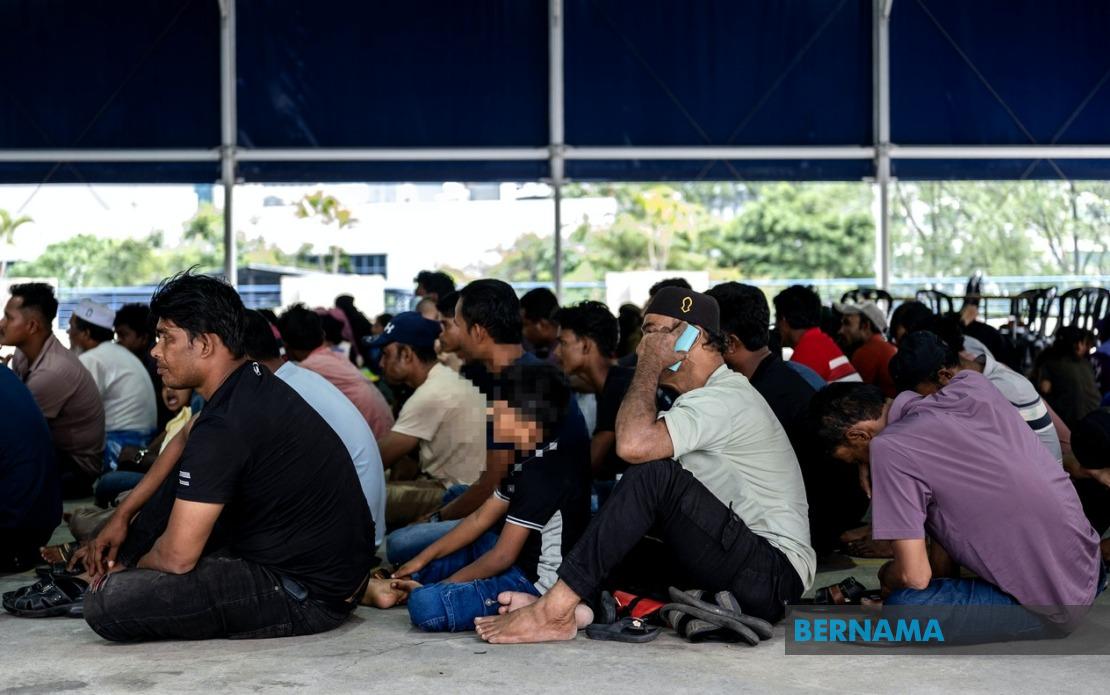
Malaysia will release its first batch of data on Myanmar refugees by the final quarter of 2024, Home Minister Datuk Seri Saifuddin Nasution Ismail announced on Friday. The information will emerge from an ongoing registration exercise conducted through the Refugee Registration Document programme, a systematic effort to catalogue and verify individuals seeking refuge in the country. Speaking at a public event in Putrajaya, Saifuddin Nasution indicated that the government is working with multiple agencies to compile accurate numbers, though he declined to speculate on what the figures might reveal.
The registration drive represents a significant shift in how Malaysia handles refugee populations, particularly those fleeing the ongoing humanitarian crisis in Myanmar. For several years, the country has hosted hundreds of thousands of displaced persons from Myanmar, many having arrived after the military coup in 2021 triggered widespread conflict and civilian displacement. However, comprehensive official data on their numbers and demographics has remained elusive, complicating policy formulation and humanitarian response efforts. The new initiative seeks to remedy this gap by systematically collecting biometric and identity information on all individuals classified as refugees, regardless of origin.
The programme operates under the framework of the National Security Council Directive No. 23, revised in 2023, which establishes protocols for managing refugee populations in Malaysia. According to the Home Ministry, the exercise aims to move beyond rough estimates and obtain verifiable, detailed records that include fingerprints, facial recognition data, and personal histories. This technological approach reflects international best practices in refugee management and will allow the government to track movement, prevent security risks, and better coordinate services. The initiative also signals Malaysia's intent to balance humanitarian obligations with national security concerns, a tension that has characterised refugee policy in Southeast Asia.
Registration under the programme, officially termed the DPP in local media discourse, requires refugees to come forward voluntarily and provide comprehensive documentation. The Home Ministry acknowledges that persuading scattered and often vulnerable populations to participate presents logistical and trust-building challenges. Consequently, officials are planning an outreach campaign to publicise the exercise and encourage participation. Many potential registrants remain scattered across urban centres, particularly in Kuala Lumpur and Selangor, where informal communities have established themselves over the past decade. Others live in more remote areas or under conditions of precarity that make contact difficult.
Once preliminary data becomes available, individuals identified as legitimate refugees will be prioritised for repatriation, a process that will fall under the purview of the Foreign Ministry, known locally as Wisma Putra. This distinction between data collection and repatriation reflects the complexity of the issue. Registration does not automatically lead to resettlement or return; rather, it establishes a foundation for subsequent decision-making. The Foreign Ministry will assess individual cases, negotiate with countries of origin, and coordinate with international organisations to facilitate returns. For Myanmar, the current political situation complicates repatriation prospects, as the military government remains unrecognised by many Western nations and the security situation in several regions remains volatile.
The announcement carries implications far beyond Myanmar. Saifuddin Nasution clarified that the registration programme encompasses all refugee populations in Malaysia, not exclusively Burmese nationals. This broader scope reflects the reality that Malaysia hosts refugees from Afghanistan, Pakistan, Palestine, and other conflict zones. By establishing a unified database, the government gains better visibility of its entire refugee population, enabling more strategic planning of humanitarian resources and security measures. However, it also raises questions about the government's intentions regarding non-Myanmar refugees, particularly given Malaysia's complicated relationship with Palestinian asylum-seekers and its varying approaches to different populations.
The timeline outlined—with preliminary data emerging in the fourth quarter—suggests the government expects to complete the initial phase of registration within the next few months. This ambitious schedule will test the capacity of the Immigration Department and partner agencies to reach dispersed populations, verify information, and process submissions. In practice, such exercises in developing countries frequently face delays due to capacity constraints, insufficient funding, or limited cooperation from target populations. Whether Malaysia can deliver on this timeline remains uncertain, though the prominence of the announcement suggests commitment at the ministerial level.
For Malaysia's regional standing, the initiative demonstrates responsiveness to the refugee challenge while asserting greater control over population movements. The country has been criticised by human rights organisations for its restrictive approach to refugees, including policies preventing them from working and restrictions on movement. A more comprehensive data collection framework could enable more nuanced policies, though it could equally facilitate more restrictive measures. Neighbouring countries including Thailand and Indonesia, which host even larger refugee populations, are watching Malaysia's approach with interest, as regional coordination on refugee management remains limited.
The practical implications for refugees themselves are mixed. Registration offers potential pathways to recognition and eventual resettlement, yet it also requires trust in government institutions that many refugees have fled. Language barriers, fear of deportation, and uncertainty about how data will be used may discourage participation. The Home Ministry will need to conduct extensive community engagement to explain the programme's objectives and address concerns. NGOs working with refugee populations will likely play a crucial role in building confidence and facilitating contact between authorities and communities.
From a regional security perspective, the data collection reflects Malaysia's broader efforts to enhance border management and population tracking. The emphasis on biometric information aligns Malaysia with global trends toward digital surveillance and verification systems. For Malaysian policymakers, the exercise offers an opportunity to understand the demographic composition of refugee populations, identify potential security risks, and allocate resources more effectively. However, it also raises privacy concerns and questions about data protection that will require careful handling as the programme unfolds.

