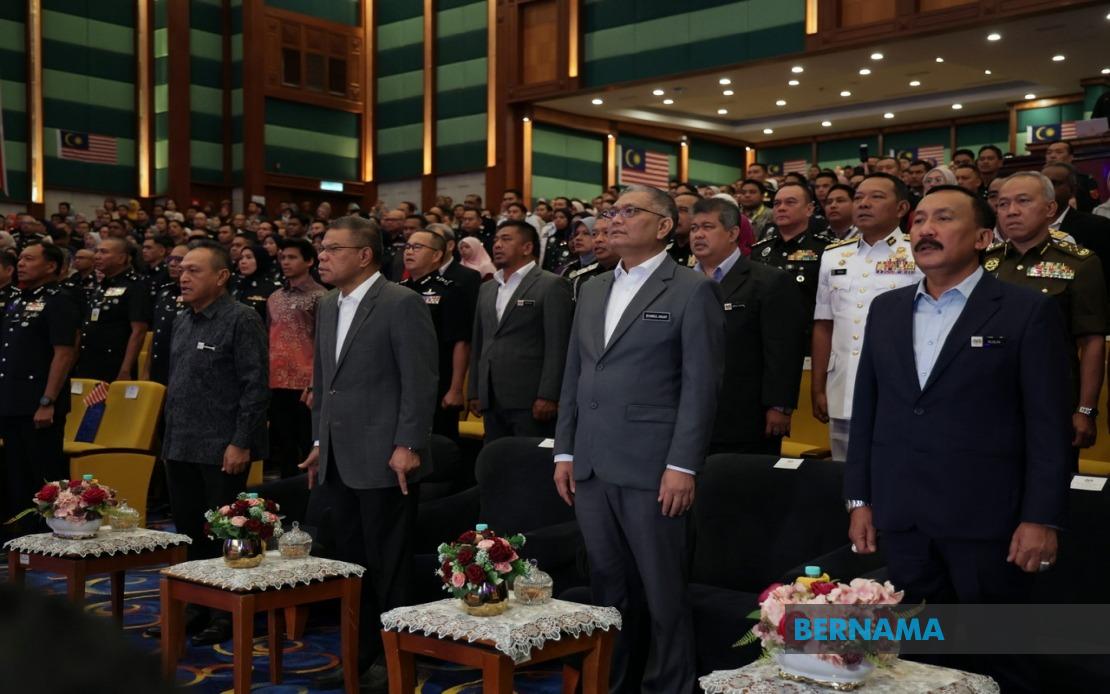
Malaysia's government will unveil a comprehensive strategy to fortify security operations at all national entry points when the Cabinet convenes, Home Minister Datuk Seri Saifuddin Nasution Ismail announced on Monday. The initiative, developed collaboratively with Transport Minister Anthony Loke, responds to recent security breaches that have sparked concerns about operational vulnerabilities and potential damage to the country's international reputation.
The urgency behind this plan stems from a high-profile incident in which Malaysian authorities apprehended a pilot following the discovery of approximately 25 kilogrammes of MDMA at Soekarno-Hatta International Airport in Indonesia. This episode triggered a formal Cabinet directive requesting both the Home Ministry and Transport Ministry to devise an integrated security framework within a fortnight. The government recognised that such occurrences could undermine public confidence in Malaysia's border management systems and signal weaknesses to potential smuggling networks operating across Southeast Asia.
The security enhancement strategy encompasses multiple dimensions of airport and port operations. Officials have examined possibilities for strengthening staff competency through targeted training programmes, upgrading physical infrastructure to modern standards, and installing advanced surveillance technology including closed-circuit television systems. The proposal also addresses the deployment of cutting-edge scanning equipment at checkpoints and ensures personnel receive adequate instruction on operating these sophisticated machines effectively.
A central principle underpinning the new approach is the elimination of institutional silos that have historically fragmented border security efforts across different agencies. Previously, various departments operated independently with limited coordination, creating gaps that smugglers could potentially exploit. The revised framework demands seamless collaboration between the Home Ministry, Transport Ministry, and other relevant bodies, pooling their respective expertise and resources toward unified objectives.
The development process involved assembling knowledge and experience from multiple government entities, recognising that effective border security requires input from diverse specialised agencies. This collaborative methodology represents a significant shift in how Malaysia approaches entry point management, moving away from compartmentalised decision-making toward a holistic assessment of vulnerabilities and solutions. Such integration is particularly critical given Malaysia's position as a major regional hub with significant international passenger and cargo flows.
Saifuddin Nasution emphasised that the plan aims to identify and remediate systemic weaknesses comprehensively, preventing recurrence of incidents that could embarrass the nation internationally. He stressed that the government must understand whether individual cases represent isolated criminal acts or indicate connections to organised international trafficking syndicates. Determining this distinction is essential for refining enforcement strategies and plugging actual security gaps rather than simply addressing symptoms.
The Royal Malaysia Police have begun preliminary investigations into the pilot's case with cooperation from Indonesian counterparts, conducting interviews with the detained suspect to gather intelligence. The information obtained through these enquiries will help Malaysian authorities map the operational methods and potential networks involved, ultimately informing whether vulnerabilities exist at departure or arrival checkpoints. This investigative dimension complements the broader institutional security upgrade by providing real-world evidence about how smuggling operations circumvent existing controls.
For Malaysian readers and regional observers, this development signals that Southeast Asian governments are responding to transnational drug trafficking challenges through coordinated institutional reform. The incidents highlighting Malaysia's situation reflect broader regional concerns about drug smuggling through major hubs, particularly given the proximity to significant drug production areas. Enhanced border security at Malaysian entry points supports not only national objectives but contributes to regional stability and interdiction efforts across ASEAN.
The timing of this announcement also reflects growing international pressure on countries to demonstrate serious commitment to counternarcotics enforcement. Drug trafficking represents a persistent challenge across Southeast Asia, with criminal networks continuously adapting methods to evade detection. By presenting a comprehensive, inter-ministerial response, Malaysia demonstrates to international partners and domestic stakeholders that security governance is being taken seriously at the highest political levels.
Implementation of the proposed plan will require sustained coordination between Transport and Home Ministry officials, airport operators, customs authorities, and immigration personnel. Success depends on translating strategic directives into operational protocols that security staff can execute consistently across multiple facilities. Training programmes must ensure that frontline officers can effectively utilise advanced scanning technology while maintaining vigilance for unconventional smuggling methods.
The Cabinet's formal consideration of this plan represents a critical juncture in Malaysia's approach to border management. Approval and subsequent funding will determine whether proposed infrastructure upgrades, surveillance enhancements, and staffing improvements materialise. For regional observers monitoring Southeast Asian security developments, Malaysia's institutional response offers insights into how major transit countries address transnational crime challenges through governance innovation and cross-agency coordination.

