Malaysia is embarking on a significant overhaul of its Child Act 2001 following an extensive set of recommendations from the United Nations Committee on the Rights of the Child. The Ministry of Women, Family and Community Development (KPWKM) has been tasked with scrutinising 159 recommendations contained in the UNCRC's Concluding Observations, which cover a broad spectrum of child welfare concerns ranging from legislative modernisation to strengthened safeguards against abuse and more rigorous enforcement of children's rights throughout the country.
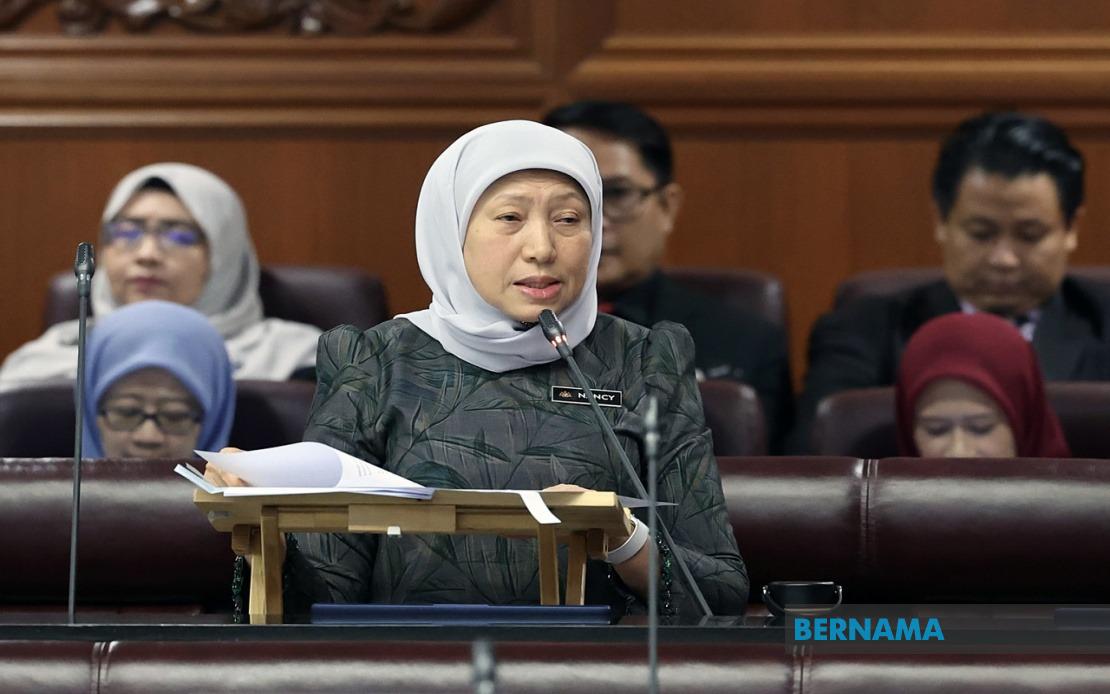
Datuk Seri Nancy Shukri, the minister heading KPWKM, confirmed the ministry's commitment to this ambitious reform agenda during parliamentary proceedings in Kuala Lumpur. She indicated that the recommendations focus not merely on abstract principles but on concrete legal reforms and implementation mechanisms that would translate child protection standards into effective practice. The Concluding Observations represent a detailed assessment of Malaysia's compliance with the Convention on the Rights of the Child and identify gaps between existing law and international best practice in child welfare.
The review process signals recognition that the 2001 Act, despite being a foundational piece of child protection legislation, requires modernisation to address evolving challenges and align with contemporary understanding of children's rights. When the Child Act 2001 was originally enacted, the digital landscape, online exploitation risks, and many contemporary child protection concerns were either nascent or non-existent. The gap between legislation drafted over two decades ago and current realities has prompted this comprehensive reassessment, which extends beyond simple amendments to encompass systemic improvements in how Malaysia protects and supports its most vulnerable citizens.
Crucially, KPWKM has committed to a collaborative multi-agency approach rather than attempting unilateral reform. This reflects the complexity of child protection, which necessarily involves multiple government portfolios and institutions. The ministry will work with various other government agencies and relevant stakeholders to ensure that recommendations are properly integrated into both legislative changes and administrative practice. This coordination is essential because child welfare intersects with education, health, law enforcement, social services, and judicial administration—domains typically handled by different ministries with distinct budgets and operational structures.
The specific areas targeted for examination are extensive and detailed. KPWKM will focus on strengthening the legal framework governing child protection and the mechanisms through which abuse and neglect are reported and addressed. Current children's court procedures will come under scrutiny to determine whether they adequately serve child interests and whether procedural improvements could enhance outcomes. Family and community care structures will be evaluated to ensure they provide appropriate alternatives when children cannot remain with biological parents, while rehabilitation and post-intervention support systems will be assessed for adequacy and effectiveness.
Parental rights and responsibilities will also feature prominently in the review, alongside examination of how guardians and institutional carers are regulated and held accountable. This dimension is particularly important in Malaysia's context, where family structures are diverse and where cultural practices sometimes conflict with international child protection standards. Balancing respect for local norms with universal child protection principles represents one of the substantive challenges the review must address without either imposing inappropriate Western models or permitting harmful traditional practices.
The review will specifically address gaps in defining stakeholder functions and authority in child case management, an area where confusion between agencies can lead to delayed intervention or duplication. Malaysian child welfare observers have long noted that unclear lines of responsibility between federal and state authorities, and between different ministries, sometimes result in children falling through protective gaps. Enhanced clarity about which institution bears responsibility for specific aspects of child protection and support would strengthen system responsiveness and reduce bureaucratic obstacles to effective intervention.
Cross-agency collaboration represents another key focus, acknowledging that effective child protection requires seamless information sharing and coordinated action across institutions that traditionally operate in isolation. Police, social workers, educators, health professionals, and child protection officers must work together effectively, yet structural barriers and confidentiality regulations sometimes impede necessary coordination. The review offers an opportunity to recalibrate these systems, potentially establishing clearer protocols and shared databases that enable rapid, coordinated response to child welfare concerns.
The ministry's commitment to improving service responsiveness reflects practical recognition that laws alone do not protect children—implementation capacity, staff training, adequate funding, and organisational commitment determine whether legal protections translate into real protection. Malaysian child welfare advocates have frequently noted gaps between what the law requires and what frontline workers and communities actually deliver. A review that addresses both legislative substance and implementation mechanisms therefore represents a more ambitious undertaking than simple legislative amendments.
The involvement of Senator Pele Peter Tinggom in raising this issue through parliamentary questioning underscores broader recognition across Malaysia's political spectrum that child protection standards require strengthening. This cross-party consensus suggests the reforms, once developed, may encounter less political resistance than some other policy initiatives. However, achieving genuine implementation improvement will require sustained commitment, adequate budget allocation, and willingness to make difficult institutional decisions about resource reallocation.
For Malaysia's position within Southeast Asia and in relation to international standards, undertaking this comprehensive review demonstrates commitment to aligning domestic practice with global child protection norms. The review process also provides an opportunity to examine whether specific Malaysian circumstances—including the country's federal structure, cultural diversity, and economic disparities—require distinctive approaches to implementing international standards rather than simple transplantation of models developed elsewhere.
The timeline for this review remains unspecified, and implementation of any resulting reforms will likely extend over several years. Nevertheless, the formal commitment to systematically examining Malaysia's child protection framework against international recommendations represents an important policy development. For parents, child welfare professionals, educators, and others concerned with protecting Malaysian children's wellbeing and rights, this review process offers both opportunity and challenge—opportunity to improve systems that currently fail some vulnerable children, and challenge to ensure that the resulting reforms prove effective rather than merely bureaucratic.
Looking forward, the success of this exercise will ultimately be measured not by the elegance of revised legislation but by whether Malaysian children experience better protection, more appropriate support, and fuller realisation of their rights and potential in practice.

