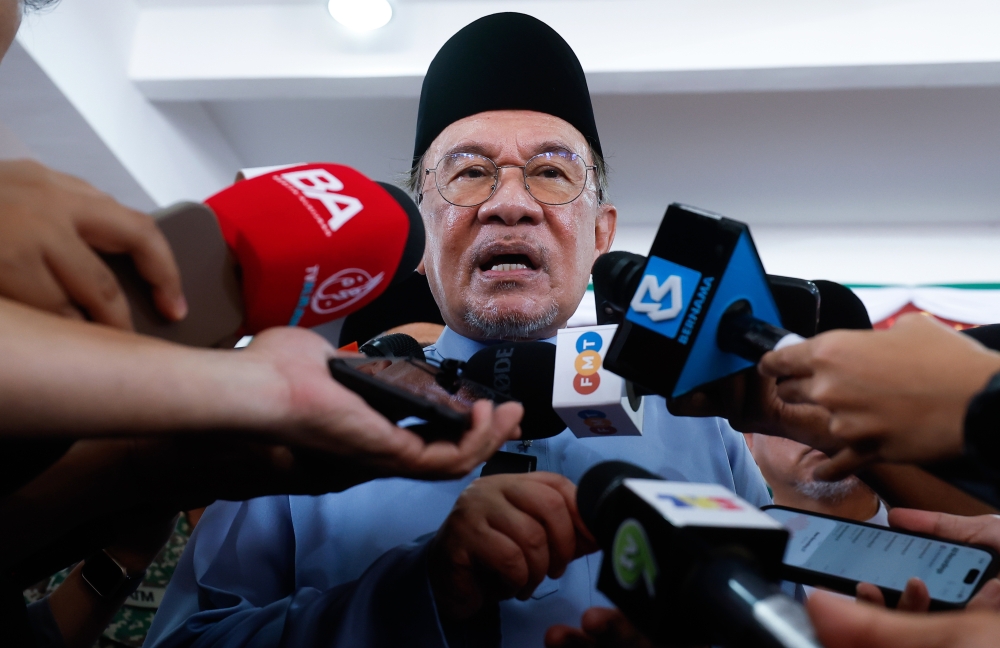
Prime Minister Datuk Seri Anwar Ibrahim has declared that Malaysia will persist with its diplomatic efforts to navigate tariff arrangements with the United States, signalling measured confidence about the commercial terms being discussed. Speaking in Port Dickson on July 24, the Prime Minister conveyed that the government perceives the current tariff proposals as relatively manageable compared to what might have emerged from these negotiations, suggesting that Kuala Lumpur has managed to secure reasonably favourable conditions in preliminary discussions.
The Malaysian government's willingness to continue substantive engagement reflects a pragmatic approach to managing bilateral trade relations during a period of heightened global protectionism. Rather than retreating from negotiations or adopting a defensive posture, Anwar's remarks indicate that Malaysia sees ongoing dialogue as the most effective mechanism for protecting its economic interests whilst maintaining cordial relations with its most significant trading partner. This strategy acknowledges that tariff disputes, whilst inevitable in modern commercial relations, need not become entrenched conflicts if handled through structured conversation.
Anwar's relief at the tariff rates being discussed carries implications for Malaysia's broader export-dependent economy. The country's manufacturing and electronics sectors, which heavily rely on access to American markets, have watched tariff negotiations with considerable anxiety. A more moderate approach from Washington, if sustained, could prevent the severe disruption that sudden and aggressive import duties would inflict on Malaysian companies integrated into regional and global supply chains. The Prime Minister's public positioning appears designed to reassure the business community that diplomatic pathways remain open and productive.
The context of these discussions matters considerably for understanding Malaysia's negotiating position. As a nation deeply embedded in US-led trade architecture and dependent on American consumer demand, Malaysia faces inherent asymmetries in any bilateral tariff negotiation. The government must balance the need to protect domestic industries with the reality that aggressive retaliation could trigger American counter-measures that would prove far more damaging to the Malaysian economy than the initial tariffs. This structural reality shapes why Anwar has chosen to frame current tariff levels as acceptable rather than intolerable.
The Prime Minister's comments also reflect Malaysia's experience in multilateral trade disputes. Having navigated previous commercial tensions with Washington, from semiconductor tariffs to automotive trade discussions, the government recognises that maintaining communication channels and demonstrating willingness to negotiate often yields better outcomes than public confrontation. This diplomatic patience has historically served Malaysia's interests, allowing the country to secure concessions that purely adversarial approaches might not deliver.
For Malaysian exporters, particularly in electronics manufacturing and petrochemicals, the implications of continuing negotiations rather than seeking rapid resolution are mixed. Extended discussions could mean prolonged uncertainty about tariff levels, complicating investment and pricing decisions. However, Anwar's apparent satisfaction with emerging terms suggests that the government believes sufficient time remains to secure an acceptable final arrangement. The alternative—hasty agreement under pressure—might lock Malaysia into arrangements that prove disadvantageous once fully implemented.
The broader Southeast Asian dimension of these negotiations deserves attention. Malaysia's trading partners in the region, from Vietnam to Thailand, are simultaneously managing their own tariff relationships with the United States. How Malaysia's discussions conclude could influence negotiating dynamics across the region, as countries often draw lessons from their neighbours' outcomes and adjust their own strategies accordingly. A Malaysian settlement perceived as reasonably balanced might strengthen the broader regional position in future trade discussions.
Anwar's public messaging also serves a domestic political function. By conveying confidence in ongoing negotiations and satisfaction with current proposed rates, the Prime Minister signals to Malaysian voters and businesses that his government is competently managing external economic pressures. This framing becomes particularly important given Malaysia's recent economic challenges and the electoral calculations that inevitably accompany trade policy in democratic nations. Demonstrating effective stewardship of trade relations enhances governmental legitimacy.
The underlying assumption in Anwar's remarks—that tariff levels currently proposed are moderate and manageable—warrants scrutiny. What the Malaysian government considers acceptable may depend heavily on which sectors bear the tariff burden, how they are structured, and whether exemptions for particular Malaysian industries have been negotiated. The public statements, whilst reassuring, necessarily omit sensitive commercial and diplomatic details that would inform a fuller assessment of whether Malaysia has genuinely secured favourable terms or simply adapted to unavoidable realities.
Moving forward, Malaysia's sustained engagement in tariff negotiations reflects a calculated approach to trade policy in an increasingly protectionist environment. The government's apparent satisfaction with current proposals, if genuine, suggests that diplomatic initiatives have yielded tangible benefits. Yet the maintenance of negotiations rather than their conclusion indicates that substantial work remains to finalise arrangements that serve Malaysian economic interests whilst respecting American domestic political demands for protection. The coming months will reveal whether Anwar's optimism proves justified in the final tariff schedules applied to Malaysian goods.

