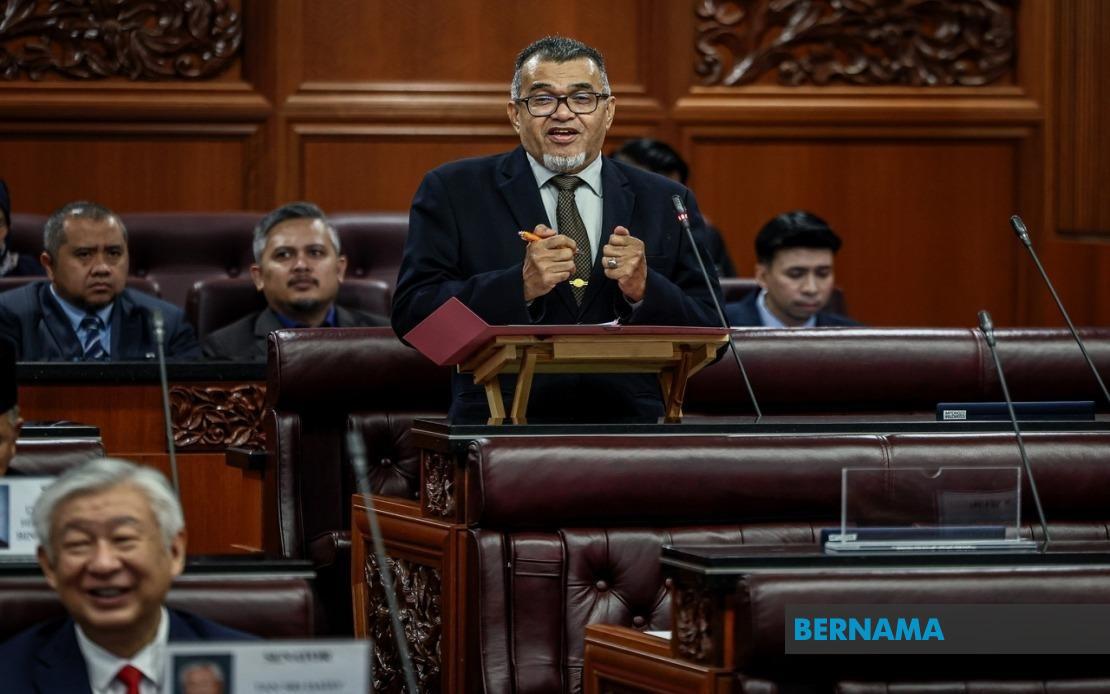
The Malaysian government is preparing significant legislative changes to combat the growing problem of cable theft from railway infrastructure, with Deputy Transport Minister Datuk Hasbi Habibollah announcing plans to dramatically increase criminal penalties for such offences. The proposed amendments to rail transport legislation would introduce fines of up to RM100,000 per offence—a hundred-fold jump from the existing RM1,000 maximum—in an effort to deter what has become a persistent security challenge across the nation's vital transport backbone.
Hasbi revealed during parliamentary proceedings in Dewan Negara that the government intends to present the amended legislation in the upcoming parliamentary session, with the expectation that formal adoption could occur before year-end. The urgency of the legislative push reflects mounting frustration within government circles at what officials view as inadequate deterrence under existing law, particularly given the substantial financial and operational consequences that cable theft inflicts on rail operators and passengers alike.
The scale of the problem justifies the regulatory overhaul. Across the three major railway networks and projects—Keretapi Tanah Melayu Berhad, Prasarana Malaysia Berhad, and the East Coast Rail Link—cumulative theft losses have reached RM50 million. This figure underscores not merely petty crime but an organised challenge that diverts significant resources from infrastructure maintenance and passenger service improvements. The losses represent an effective tax on rail commuters and taxpayers who ultimately shoulder the financial burden through reduced service quality or subsidy requirements.
The East Coast Rail Link project alone, still in its construction phase, has experienced 71 cable theft incidents resulting in RM4.06 million in losses, with an additional RM0.69 million in damage to equipment and materials, bringing ECRL-related losses to RM4.75 million. Although the project has not yet begun revenue operations and thus has not disrupted passenger services, the theft problem poses a genuine threat to the implementation timeline for this strategically significant infrastructure initiative linking Johor to the country's northern regions. Delays in installation, testing, and operational commissioning could push back when the ECRL begins generating the economic and connectivity benefits projected in its original business case.
The pattern of theft reflects both opportunity and incentive. Copper and aluminium cables possess scrap metal value, creating a ready black market for stolen materials. The dispersed nature of railway infrastructure—stretching across hundreds of kilometres with vulnerable access points—compounds the security challenge. Conventional physical security measures, while necessary, prove insufficient when financial returns from theft exceed the risk of apprehension and the modest penalties previously at stake.
The government is pursuing a multi-layered defensive strategy beyond legislative reform. An expansion of surveillance infrastructure is underway, with 1,146 closed-circuit television cameras scheduled for installation along railway corridors from Johor northward. This investment in monitoring represents a significant financial commitment but addresses the fundamental reality that would-be thieves face lower probability of detection without technological oversight. CCTV systems also generate evidentiary material that strengthens prosecution cases, making conviction more likely when offenders are apprehended.
Operational security enhancements complement the technological approach. Keretapi Tanah Melayu Berhad has acquired 20 scrambler motorcycles for the Auxiliary Police force, enabling rapid-response patrols along railway routes on a round-the-clock basis. Ground-level presence and visibility deter opportunistic theft and create realistic expectations among potential offenders that security personnel might intercept them. The acquisition of canine units—K9 sniffer dogs—adds another detection layer, while enhanced physical controls such as securing high-risk access points restrict entry to cable locations.
This integrated approach reflects lessons learned from international experience with rail infrastructure theft. Jurisdictions that combine meaningful legal penalties with visible security measures and modern surveillance technology have achieved greater success in reducing theft incidents than those relying on any single intervention. Malaysia's determination to pursue the combination suggests policymakers understand that deterrence operates through multiple mechanisms simultaneously.
For Malaysian commuters and businesses relying on rail transport, the implications of the government's response are significant. Cable theft not only disrupts schedules and imposes delays—a particular hardship for daily commuters and time-sensitive freight movements—but also undermines confidence in the reliability of rail services. When passengers cannot predict whether trains will operate as scheduled due to infrastructure sabotage, some shift to alternative transport modes, reducing the economic viability of services and creating pressure for higher fares to offset lost revenue and increased security costs.
The proposed legislative changes will likely face scrutiny regarding implementation and enforcement. For RM100,000 fines to prove effective, courts must impose them consistently and conviction rates must improve. The current amendment represents Parliament's view that the problem has reached a threshold requiring severe remedial action, but its success will depend on prosecution capacity and judicial consistency. Additionally, targeting individual thieves through heightened penalties addresses one dimension of the problem; tackling organised networks that coordinate theft and manage stolen materials distribution may require complementary strategies such as enhanced investigation of scrap metal dealers and supply chain oversight.
Regionally, Malaysia's experience with cable theft from rail infrastructure is not unique. Several Southeast Asian nations operate rail networks vulnerable to similar organised theft. Malaysia's legislative and operational response could establish a model for the region, particularly if it successfully reduces incident rates. Conversely, should theft continue despite enhanced penalties, it would signal that supply-side interventions must complement demand-side deterrence—reducing the attractiveness of stolen cable to scrap dealers and end-users would make theft less profitable regardless of legal consequences.
The government's proactive response to cable theft demonstrates willingness to prioritise rail security as essential to transportation resilience and economic competitiveness. As Malaysia continues investing in major rail projects and seeking to increase modal shift toward sustainable transport, protecting infrastructure from sabotage becomes increasingly critical. The RM100,000 fine proposal, combined with expanded surveillance and personnel-based patrols, represents a serious attempt to recalibrate the cost-benefit calculus that makes cable theft appear attractive to would-be offenders, ultimately protecting both the travelling public and the substantial public investment in rail systems.

