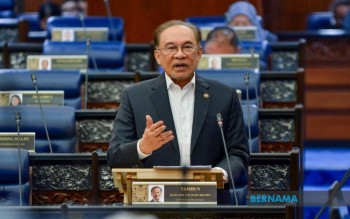
Malaysia's government is undertaking a comprehensive review of strategies to establish a national petroleum reserve stock, recognising the nation's vulnerability to international energy disruptions and geopolitical volatility. Prime Minister Datuk Seri Anwar Ibrahim disclosed the initiative following the inaugural National Energy Council Meeting of 2026, which he presided over in Kuala Lumpur. The decision reflects growing concerns about maintaining stable energy supplies in an increasingly unpredictable global environment where supply chain interruptions and regional tensions threaten fuel availability and price stability across Asia.
The proposed petroleum reserve would serve as a strategic buffer, enabling Malaysia to weather potential supply shocks without compromising domestic energy needs or economic stability. By stockpiling reserves during periods of adequate supply, the nation could mitigate the impact of future disruptions and insulate itself from price volatility in international markets. This defensive strategy aligns with practices adopted by other major economies that maintain strategic petroleum reserves, though implementing such a programme requires substantial capital investment and dedicated storage infrastructure. For Malaysia, where petroleum revenue remains significant and the nation maintains refining and distribution capabilities, developing a strategic reserve represents both a prudent risk-management measure and an assertion of energy independence.
The energy security initiative sits within Malaysia's broader energy transition framework, which the government is advancing through multiple coordinated initiatives outlined in the National Energy Transition Roadmap. Government officials emphasised that renewable energy adoption has accelerated markedly, with installed renewable capacity reaching 31 per cent by December of the previous year. This expansion reflects the administration's commitment to reducing reliance on coal-generated electricity, a fossil fuel increasingly associated with environmental degradation and health impacts throughout Southeast Asia. The transition targets balance Malaysia's development needs with environmental imperatives and climate commitments.
A critical enabler of renewable energy integration is battery storage technology. The Corporate Renewable Energy Supply Scheme, recently enhanced with Battery Energy Storage System capabilities, allows businesses to harness renewable generation while maintaining reliable power supply during periods of low solar or wind output. This technological advancement addresses a fundamental challenge of renewable energy—its intermittency—and makes large-scale deployment viable. For Malaysia's manufacturing sector and growing technology industries, such storage solutions provide the stable, predictable electricity supply essential for industrial operations and competitive positioning in regional markets.
Beyond electricity generation, Malaysia is advancing sustainable transportation through multiple channels. The nationwide implementation of B15 biodiesel represents a pragmatic shift toward renewable fuels that can be deployed using existing infrastructure with minimal modifications to vehicles and distribution systems. Petronas, the national energy corporation, is developing a specialised biofuel hub in Pengerang, Johor, positioning Malaysia to produce and export renewable fuels while creating employment opportunities in an emerging sector. This manufacturing capability could establish Malaysia as a regional hub for sustainable fuel production, attracting investment and technology partnerships throughout Southeast Asia.
Public transport electrification programmes are simultaneously advancing, with 250 electric buses now operational and accounting for 800 kilometres of rail network coverage nationally. These transport projects address urban air quality, reduce operating costs through lower fuel and maintenance expenses, and modernise mobility infrastructure in Malaysia's growing metropolitan areas. The systematic replacement of diesel-powered public transport reflects changing consumer preferences for cleaner urban environments and positions Malaysian cities competitively among regional peers pursuing similar transitions.
In Sarawak, hydrogen technology development represents Malaysia's investment in frontier energy technologies. The Autonomous Rapid Transit system's hydrogen hub, scheduled for completion by the end of the current year, demonstrates commitment to exploring alternative fuels beyond conventional renewable electricity. Hydrogen technology, while currently limited in scale, offers potential for long-distance transportation and industrial applications where electrification faces practical constraints. Malaysian leadership in hydrogen development could establish technological expertise and manufacturing capabilities before the technology becomes mainstream regionally.
The timing of these energy security initiatives reflects Malaysia's strategic position as a Southeast Asian energy producer and consumer confronting an increasingly fragmented global energy landscape. Disruptions to shipping routes, sanctions affecting energy markets, and competition for limited renewable energy resources all pose risks to Malaysia's energy independence. The government's multifaceted approach—combining petroleum reserves, renewable expansion, sustainable transportation, and alternative fuel development—reduces reliance on any single energy source or supply route while diversifying the nation's energy portfolio.
For Malaysian businesses and consumers, these initiatives carry significant implications. Industrial operations benefit from enhanced energy security and access to affordable, reliable power. Transportation costs may decline as electric buses and biodiesel reduce fuel price volatility. Environmental improvements from reduced emissions enhance public health and quality of life. However, realising these benefits requires substantial infrastructure investment, technology adoption, and workforce training. The government's commitment to orderly implementation through structured planning and council oversight suggests serious intent to navigate energy transition complexities systematically rather than haphazardly.
Implementing a national petroleum reserve requires balancing multiple considerations including storage facility development, financial allocation, and coordination between government agencies and Petronas. The government's decision to study the matter rather than immediately announce concrete plans suggests recognition of technical and financial complexities requiring careful analysis. Stakeholder consultation with industry, environmental groups, and international partners will likely inform final decisions about reserve size, storage locations, and management protocols.
Regionally, Malaysia's energy initiatives may influence Southeast Asian energy policy trajectories. As one of the region's largest economies and a significant energy producer, Malaysian developments set precedents for other nations contemplating energy transition pathways. Successful implementation of renewable integration, battery storage, and sustainable transport could provide valuable lessons for less-developed regional neighbours. Conversely, any implementation challenges could inform regional discussions about realistic transition timelines and necessary support mechanisms.

