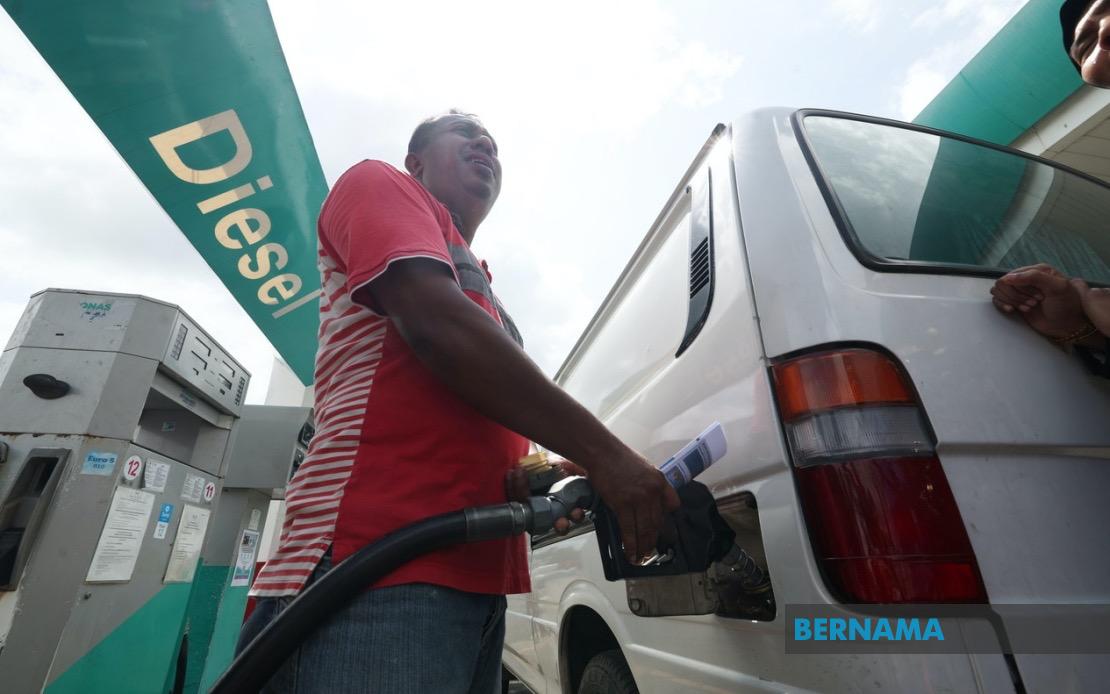
Malaysia's government has signalled its commitment to easing fuel costs for citizens through a significant adjustment to diesel pricing structures. Prime Minister Datuk Seri Anwar Ibrahim unveiled plans to reduce the price of subsidised diesel to RM2.10 per litre effective from July 2026, marking another phase in the administration's broader fuel subsidy restructuring agenda.
The announcement, made during an official ceremony in Bintulu, Sarawak, represents a deliberate policy shift towards targeted rather than blanket fuel subsidies. This approach mirrors the methodology established through the BUDI MADANI RON95 programme, which has already proven effective in directing subsidies to eligible Malaysian citizens whilst managing government expenditure on fuel support mechanisms. The reliance on MyKad verification ensures that subsidies reach intended beneficiaries and creates a more transparent, accountable system of fuel cost management.
The reduction to RM2.10 per litre comes as part of the government's broader MADANI framework, which emphasises sustainable fiscal policy without compromising citizens' purchasing power. By adopting a verification-based system rather than providing universal subsidies, authorities can balance the need to support ordinary Malaysians with the imperative to maintain government finances in an era of volatile global oil prices.
Finance Minister II Datuk Seri Amir Hamzah Azizan is scheduled to provide comprehensive details regarding the implementation strategy and operational mechanics of this new pricing structure. Such briefings are crucial for stakeholders including retailers, transporters, and consumers who need clarity on how the system will function and what documentation may be required to access subsidised rates.
For Malaysia's transport and logistics sectors, this development carries significant implications. Diesel remains the fuel of choice for heavy vehicles, public transportation, and commercial operations across the nation. The capped price structure provides predictability for businesses dependent on fuel costs, enabling more accurate budgeting and planning. Small and medium-sized enterprises in particular benefit from subsidised rates, as fuel expenses constitute a substantial portion of operational overhead.
The diesel subsidy represents one of government's most substantial expenditures, consuming billions of ringgit annually. Transitioning to targeted subsidies allows policymakers to allocate resources more strategically whilst maintaining affordability for those most dependent on subsidised fuel. This targeted approach contrasts with previous universal subsidy systems that benefited all consumers regardless of income or necessity.
From a regional perspective, Malaysia's subsidy reforms demonstrate a pragmatic approach to fuel pricing that many Southeast Asian nations are studying. Countries across the region grapple with similar challenges of managing fuel costs whilst ensuring fiscal sustainability. The BUDI MADANI model provides a case study in how technology—specifically MyKad identification—can streamline subsidy distribution and reduce programme overhead.
Consumers should note that accessing the RM2.10 per litre rate will require MyKad verification, similar to existing RON95 fuel subsidy procedures. This means fuel purchases at subsidised rates may involve additional authentication steps at petrol stations. The system is designed to prevent abuse and ensure that subsidies genuinely benefit Malaysians rather than being exploited for cross-border sales or commercial speculation.
The timing of this announcement is noteworthy, as global crude oil markets remain volatile. By fixing a subsidised price at RM2.10 per litre, the government provides a safety net against price shocks whilst encouraging market mechanisms to function at premium fuel levels. This two-tiered approach—subsidised and market rates—balances affordability with efficient resource allocation.
Implementation details are critical for success. Petrol retailers, transportation operators, and government agencies will need clear guidelines on verification procedures, pricing mechanisms, and compliance requirements. The detailed briefing from Finance Minister II Amir Hamzah Azizan will address these operational aspects and provide the roadmap for the July 2026 transition.
Looking forward, this subsidy restructuring signals the government's commitment to fiscal discipline whilst maintaining social support for ordinary Malaysians. As fuel costs influence prices across the entire economy—from transportation to manufacturing to agriculture—managing diesel affordability has cascading economic effects. The targeted approach allows government to concentrate support where it matters most without inflating overall subsidy burdens that could jeopardise long-term economic stability.
The announcement also reflects broader economic governance priorities. Rather than unsustainable universal subsidies that distort markets and consume excessive government revenue, the MADANI administration is demonstrating that smart policy design can achieve social objectives more efficiently. This philosophy extends beyond fuel to encompass other areas where targeted support proves more effective than blanket programmes.

%22%2F%3E%3C%2Fpattern%3E%3C%2Fdefs%3E%3Crect%20width%3D%22100%25%22%20height%3D%22100%25%22%20fill%3D%22url(%23ph2rpzpg)%22%2F%3E%3Crect%20width%3D%22100%25%22%20height%3D%22100%25%22%20fill%3D%22url(%23ph2rpzpp)%22%2F%3E%3Ctext%20x%3D%2250%25%22%20y%3D%2250%25%22%20text-anchor%3D%22middle%22%20dominant-baseline%3D%22central%22%20fill%3D%22rgba(255%2C255%2C255%2C0.95)%22%20font-family%3D%22Georgia%2C%20'Times%20New%20Roman'%2C%20serif%22%20font-weight%3D%22700%22%20font-size%3D%22320%22%20letter-spacing%3D%22-0.02em%22%3E24%3C%2Ftext%3E%3C%2Fsvg%3E)