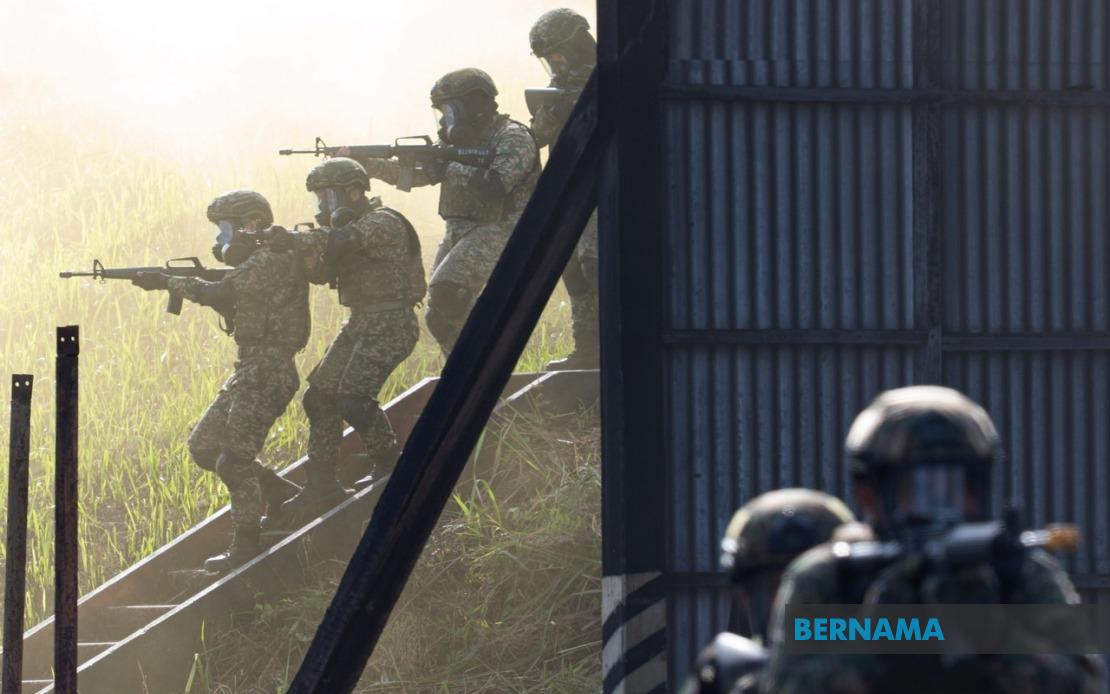
Prime Minister Datuk Seri Anwar Ibrahim has committed to seeking a larger defence allocation in the 2027 budget, a move intended to strengthen the Malaysian Armed Forces' operational capacity and improve the living standards of military personnel. Speaking in Melaka on August 7, Anwar, who simultaneously holds the Finance Minister portfolio, framed defence investment as essential to preserving what he described as the nation's most valuable asset: peace and stability. His remarks underscore the government's strategic pivot towards prioritising military modernisation and personnel care as integral components of national security policy.
The Prime Minister's position reflects a fundamental principle underpinning contemporary defence strategy in Southeast Asia: preparedness cannot be reactive. Anwar emphasised that military readiness must be maintained continuously, regardless of immediate threats or geopolitical calm. "Conflicts do not occur when expected," he noted, cautioning against a complacent approach that waits for external aggression before mobilising resources. This forward-looking stance aligns with regional security dynamics, where Malaysia faces evolving challenges including maritime surveillance responsibilities in the South China Sea, transnational terrorism, and the need to maintain credible deterrence in a multipolar environment.
A significant portion of the proposed increases would address long-standing welfare concerns within the armed forces. The allocation aims to fund upgraded residential accommodations for military personnel, construct a new military hospital, and ensure adequate maintenance of basic infrastructure including water supply systems across various installations. These investments signal recognition that military effectiveness depends not only on advanced weaponry but also on the morale and wellbeing of service members. Enhanced living conditions directly influence recruitment and retention, critical factors for maintaining force strength and institutional knowledge.
Anwar's emphasis on transparent and systematic procurement represents an important governance commitment. He explicitly rejected procurement practices involving excessive commissions to external agents or opportunities for profiteering, issues that have historically plagued defence acquisitions across the region. By linking defence spending to transparent processes, the government seeks to rebuild public confidence in military expenditures and demonstrate that increased budgets translate into genuine capability improvements rather than financial leakages. This transparency dimension carries particular weight in Malaysia, where prior defence procurement controversies have drawn public and parliamentary scrutiny.
The economic foundation supporting this defence spending increase appears robust. Anwar attributed the government's capacity to allocate higher defence resources to favourable macroeconomic indicators: a strengthening Malaysian ringgit, rising foreign direct investment inflows, and inflation remaining under control. These conditions create fiscal space for discretionary spending without severely constraining other budget priorities. The improving economic picture, in his assessment, provides the financial flexibility necessary for defending national interests while maintaining developmental investments in other critical sectors.
Previous budget cycles have already demonstrated the government's commitment to defence modernisation. Over the preceding three years, the MADANI administration increased the Defence Ministry's allocation by more than 35 percent—a substantial expansion that Anwar acknowledged has not received proportional public recognition. This substantial increase suggests a deliberate, multi-year strategy rather than ad-hoc spending decisions. The fact that such significant growth has occurred relatively quietly suggests either limited public awareness of defence budget increases or insufficient government communication regarding the rationale and benefits of these investments.
The timing of Budget 2027's tabling, scheduled for October 9 in the Dewan Rakyat, will provide crucial context for parliamentary and public debate. The defence component will likely face scrutiny regarding specific procurement priorities, modernisation timelines, and measurable outcomes expected from increased spending. Defence budgets typically generate robust discussion in Malaysian parliament, reflecting both genuine security concerns and political sensitivities around military spending in a resource-constrained environment.
During the Melaka event, Anwar also announced immediate welfare support measures: RM147,000 directed to the Armed Forces Family Welfare Association and RM1 million allocated for mosque and prayer hall maintenance at four military installations in Melaka state. These announcements, though modest in budgetary terms, underscore the integration of military welfare with broader state support infrastructure. The religious facilities investment reflects Malaysian military culture, where spiritual wellbeing constitutes a recognised component of personnel care and unit cohesion.
The gathering itself demonstrated whole-of-government engagement with defence matters. Present at the event were Minister in the Prime Minister's Department (Religious Affairs) Senator Dr Zulkifli Hasan, Deputy Defence Minister Adly Zahari, Chief Secretary to the Government Tan Sri Shamsul Azri Abu Bakar, and Army chief General Tan Sri Azhan Md Othman. This multi-stakeholder attendance signals coordinated policy-making across defence, religious affairs, and general government administration—an important indicator that defence modernisation is being approached as an integrated national endeavour rather than a siloed military concern.
For Malaysian defence industries and regional security observers, Anwar's commitment carries implications extending beyond budget figures. Increased allocations typically stimulate domestic defence procurement, potentially benefiting local manufacturers and service providers while potentially attracting foreign defence partnerships and technology transfers. The emphasis on transparent procurement may also encourage international defence suppliers to engage with Malaysian authorities, knowing that contracts will be awarded through credible competitive processes. This institutional strengthening could position Malaysia as a more attractive partner for allied nations pursuing regional security cooperation.
The broader Southeast Asian context adds significance to Malaysia's defence spending trajectory. As regional powers enhance military capabilities and competition intensifies across the Indo-Pacific, maintaining credible armed forces becomes increasingly important for medium powers seeking to preserve strategic autonomy. Malaysia's defence investments serve dual purposes: deterring potential adversaries and maintaining credibility as a defence partner for allied nations engaged in regional stability operations. The commitment to higher allocations, therefore, carries implications that extend well beyond domestic security considerations to encompass regional balance-of-power dynamics.
Anwar's defence spending pledge ultimately reflects a government conclusion that economic improvement creates both opportunity and obligation to invest more substantially in national security infrastructure. Whether parliament and the public embrace this spending priority will become clearer during Budget 2027 deliberations, but the Prime Minister's clear commitment suggests this will form a central component of the government's fiscal narrative for the coming financial year.

