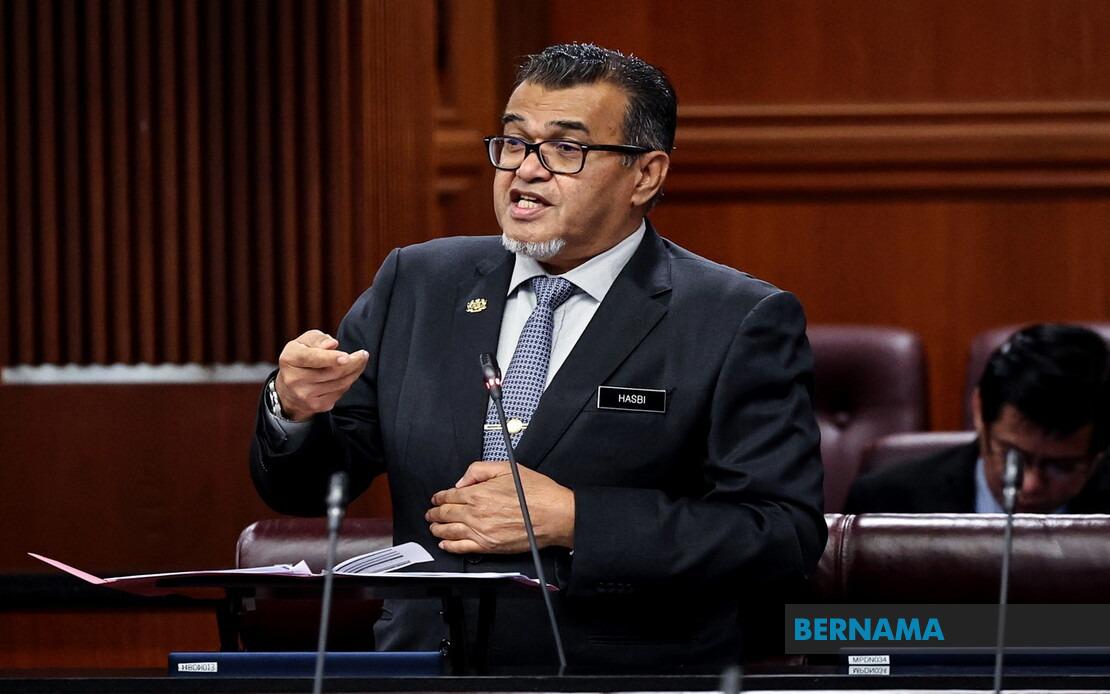
The Malaysian government is moving to substantially strengthen legal protections for railway infrastructure, addressing a persistent security challenge that has cost the nation millions in damages over recent years. Deputy Transport Minister Datuk Hasbi Habibollah informed Parliament that comprehensive amendments to existing legislation are currently being finalized, with expectations that these changes will be presented for parliamentary approval before year-end. The initiative directly responds to what officials acknowledge as inadequate deterrents within the current legal framework, where penalties for railway trespassing remain relatively modest and cable theft statutes lack sufficient teeth to meaningfully discourage offenders.
The scale of the problem underscores why the government has prioritized this legislative overhaul. Official figures reveal that over the past three years, railway operators have documented 393 cable theft incidents affecting approximately 19,756 metres of copper and other valuable conductor materials. These thefts have inflicted an estimated financial toll of RM16.3 million across Malaysia's rail network. The losses extend beyond direct material costs, as cable theft frequently disrupts service operations, delays passenger and freight trains, and compromises critical communication and power systems that keep trains running safely. For a nation investing heavily in rail expansion as part of its transport infrastructure modernization agenda, such repeated losses represent both a financial drain and an operational nuisance.
Under the proposed amendments, offenders engaged in cable theft related to railway security will face considerably heavier penalties than currently available to prosecutors. The existing framework sets trespassing fines at merely RM500 to RM1,000, a sum that Hasbi characterized as insufficient to deter determined criminals operating within organized theft networks. The new legislation aims to close this gap by introducing substantially increased financial penalties alongside potentially longer custodial sentences for repeat or aggravated offences. This recalibration recognizes that current punishments fail to create genuine economic disincentives for individuals who can sell stolen railway cable to scrap dealers at prices far exceeding the fines they might face if apprehended.
A critical dimension of the government's enforcement strategy involves disrupting the supply chains that make cable theft financially attractive to perpetrators. Hasbi outlined a collaborative approach whereby authorities are working directly with the Royal Malaysian Police to establish enhanced coordination with scrap metal operators and dealers across the country. The objective is to systematically discourage these intermediaries from purchasing stolen railway materials, thereby eliminating the ready market that currently exists for goods of dubious provenance. By targeting the demand side of the theft equation, officials recognize they can undercut the economic logic that motivates crime rings to target railway infrastructure. This supply chain approach represents a departure from enforcement strategies focused primarily on catching thieves after the fact, instead attempting to make stolen cable unmarketable.
Technology has emerged as another cornerstone of Malaysia's railway protection strategy. The Railway Assets Corporation has undertaken a substantial investment programme deploying 1,146 units of artificial intelligence-enabled closed-circuit television systems positioned throughout the network's most vulnerable locations. Valued at RM14 million, this surveillance infrastructure represents a comprehensive effort to create comprehensive visual monitoring of railway corridors, maintenance yards, and vulnerable stretches where trespassing and theft historically occur. The AI dimension allows these systems to detect suspicious activity and unusual patterns in real-time, alerting security personnel to potential incidents as they unfold rather than merely recording evidence for post-incident investigation.
Complementing fixed surveillance infrastructure, authorities have also embraced aerial monitoring capabilities to address gaps in terrestrial patrol coverage. Drone technology is now being deployed to conduct regular surveillance over railway hotspot areas that are geographically remote or difficult to access through conventional foot patrols. These unmanned systems provide flexible, cost-effective monitoring while extending security oversight to sections of track that would otherwise require stationing personnel in impractical or dangerous locations. The combination of static AI-enhanced CCTV and mobile drone surveillance creates overlapping coverage layers designed to identify and deter would-be offenders.
Enhanced ground-level enforcement capacity represents a third pillar of the security enhancement strategy. Keretapi Tanah Melayu Berhad has received government approval to procure 20 scrambler motorcycles for its auxiliary police force, enabling faster response times to security incidents and more frequent patrols across dispersed railway sections. These lightweight, terrain-capable vehicles allow officers to rapidly reach remote or difficult-to-access locations where cable theft frequently occurs. The auxiliary police motorcycles improve the visible enforcement presence along railway corridors, a psychological deterrent that complements the technological and legal measures being implemented. The combination of faster response capability and increased visibility signals to potential offenders that railway assets enjoy genuine protection.
For Malaysian policymakers, this multifaceted approach reflects evolving recognition that infrastructure protection requires integrated strategies combining legal deterrence, supply chain disruption, technological surveillance, and enforcement presence. The railway cable theft problem, while seemingly narrow in scope, exemplifies broader vulnerabilities affecting Malaysia's critical infrastructure. As the nation expands rail networks through projects like the Klang Valley Double Tracking and other modernization initiatives, securing these assets against organized theft becomes increasingly important. Unaddressed theft not only undermines the economic viability of these transport investments but also compromises public safety by disrupting essential services.
The amendments being finalized also reflect international best practices in infrastructure protection. Many developed nations have implemented similar legislative frameworks providing graduated penalties based on offense severity, while simultaneously pursuing supply chain strategies that target the receivers and dealers in stolen materials. Malaysia's dual approach of strengthening legal consequences while disrupting economic incentives for theft aligns with evidence-based crime prevention methodology that has demonstrated effectiveness in other jurisdictions protecting telecommunications, power transmission, and railway infrastructure.
Looking forward, the success of these security measures will depend partly on consistent implementation and coordination between multiple agencies. The Railway Assets Corporation, auxiliary police, Royal Malaysian Police, and scrap metal regulation authorities must maintain sustained collaboration and information-sharing to translate legislative provisions into effective operational security. Additionally, public awareness campaigns explaining the dangers of railway trespassing and the consequences of purchasing stolen railway materials could reinforce formal enforcement efforts. As Parliament considers these legal amendments later this year, their passage would represent a significant step toward protecting Malaysia's expanding rail infrastructure from organized theft networks that have operated with relative impunity under the existing, weaker regulatory regime.

