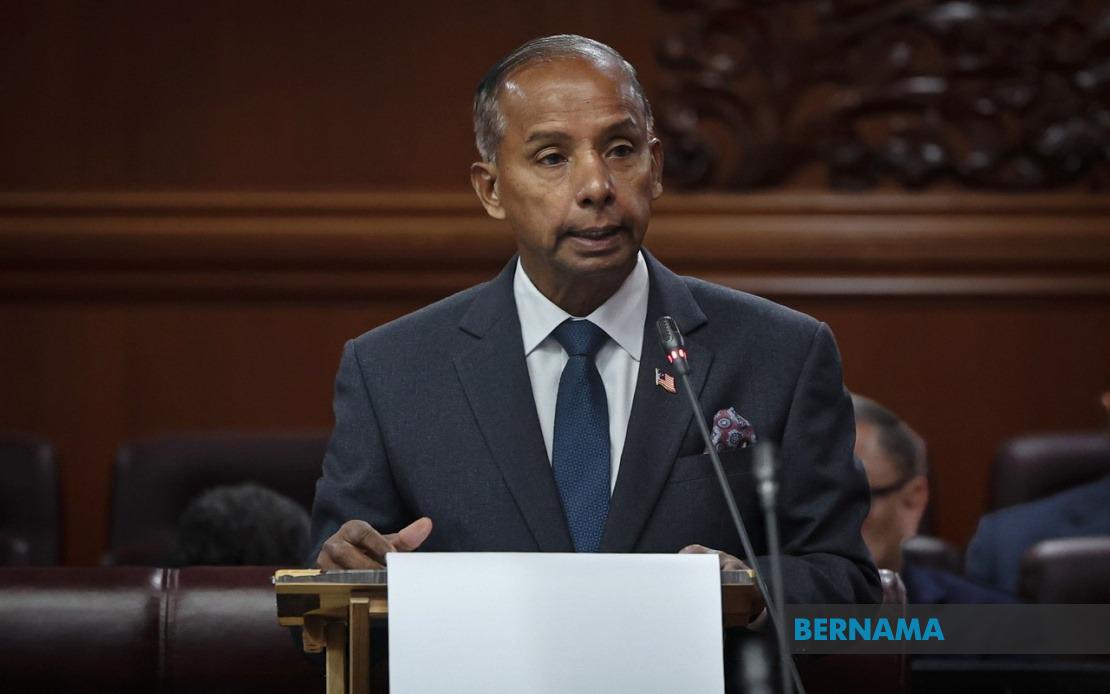
Malaysia is moving to strengthen its witness protection framework by introducing a new provision that guarantees exiting participants receive targeted assistance during what officials acknowledge as a vulnerable transitional period. The Witness Protection (Amendment) Bill 2026, which passed the Dewan Rakyat on July 14, now heads toward final approval in the Dewan Negara, where Deputy Minister M. Kulasegaran outlined the rationale behind the fresh initiative during the second reading on July 22. The amendment directly addresses a longstanding operational shortfall: the existing Witness Protection Act 2009 provides comprehensive safeguards only while individuals remain enrolled in the programme, leaving them exposed once protection formally terminates.
The new clause authorises the Attorney General to approve one-time disbursements covering housing, transportation expenses from secure facilities to new residences, and educational institution transfers for dependent children. Kulasegaran was emphatic that this mechanism serves exclusively as a bridge mechanism rather than permanent subsidy. The government views the assistance as instrumental in preventing witnesses from destabilisation during the critical months immediately following programme exit, when individuals are re-establishing civilian lives often in unfamiliar locations far removed from their original communities.
This legislative shift reflects international best practice in witness security frameworks, where jurisdictions recognise that programme exit presents acute risk periods. Witnesses who have testified against serious criminals, particularly in corruption or organised crime investigations, frequently require relocation and identity modification. Once they leave official protection, the practical challenges intensify: securing housing deposits, covering moving logistics, and enrolling children in new schools demand capital resources that many witnesses lack, particularly if they have been separated from employment during extended programme participation. The amendments acknowledge this reality by creating a formalised pathway for government support.
The broader legislative package encompasses six substantive amendments designed to fortify witness safety and programme administration. Officials have indicated that enhanced powers granted to the Protection Division director-general include discretionary authority to determine what constitutes necessary and reasonable support. This flexibility permits calibrated responses to individual circumstances, ranging from modest relocation grants to more comprehensive assistance packages. The legislation also signals government intent to professionalise the programme's operations and establish clearer protocols governing protection decisions and welfare provisions.
Malaysia's witness protection scheme has traditionally operated with limited public visibility, reflecting the sensitive nature of cases it handles. Participants have included individuals providing testimony in major corruption prosecutions, organised crime investigations, and high-profile criminal trials. The scheme's effectiveness depends substantially on witness confidence that the system can reliably protect them from retribution or intimidation. By extending support beyond formal programme conclusion, the government reinforces a message that participation carries guarantees extending into post-testimony life, potentially encouraging cooperation in future investigations.
The July 14 passage through the lower house proceeded without recorded dissent, suggesting cross-partisan support for strengthening witness protections. This consensus likely reflects recognition that robust witness protection mechanisms strengthen criminal justice outcomes and public confidence in the judiciary. Corruption cases particularly depend on insider testimony from officials or business figures with direct knowledge of wrongdoing. Without credible protection assurances, such individuals face serious disincentives to cooperate with investigators and prosecutors.
The amendment arrives amid broader global attention to witness security frameworks. International agencies including the United Nations have emphasised that inadequate post-exit support undermines witness programme credibility and creates vulnerabilities that organised crime and corruption networks routinely exploit. Several regional jurisdictions have similarly expanded exit assistance provisions in recent years, acknowledging that comprehensive protection requires attention to the often-overlooked final transition phase.
Kulasegaran's public articulation of the Bill's rationale—that assistance is temporary and purposeful rather than indefinite dependency—addresses potential concerns about fiscal sustainability and moral hazard. Malaysian taxpayers and legislators may have questioned whether exit provisions could create incentives for dishonest participation or indefinite claims on public resources. The government's positioning of the assistance as time-limited and purpose-specific responds to such concerns whilst preserving the substantive benefits for genuinely vulnerable witnesses.
The legislation's passage through parliamentary processes relatively swiftly suggests that the Attorney General's office and the Prime Minister's Department have successfully built consensus around the reforms. This likely reflects accumulated experience indicating that current provisions genuinely disadvantage witnesses and potentially undermine programme effectiveness. Law enforcement and prosecution agencies evidently concluded that modest investment in exit assistance yields substantial returns in investigation cooperation and trial success rates.
For Malaysian citizens and regional observers, the amendment represents institutional maturation in how the country manages complex legal and security challenges. Witness protection programmes inherently involve tension between personal liberty, security imperatives, and government resources. This legislation suggests Malaysia is developing more sophisticated approaches to balancing these considerations. As the region confronts escalating corruption and organised crime challenges, the robustness of supporting infrastructure—including witness security mechanisms—becomes increasingly consequential for rule of law sustainability.
The final legislative steps now proceed to complete Dewan Negara approval, after which the amended Act will become operational. Implementation will require detailed administrative protocols, including application procedures for exit assistance and criteria for determining appropriate disbursement levels. These operational details will substantially influence whether the legislative intent translates into meaningful support for departing participants.

