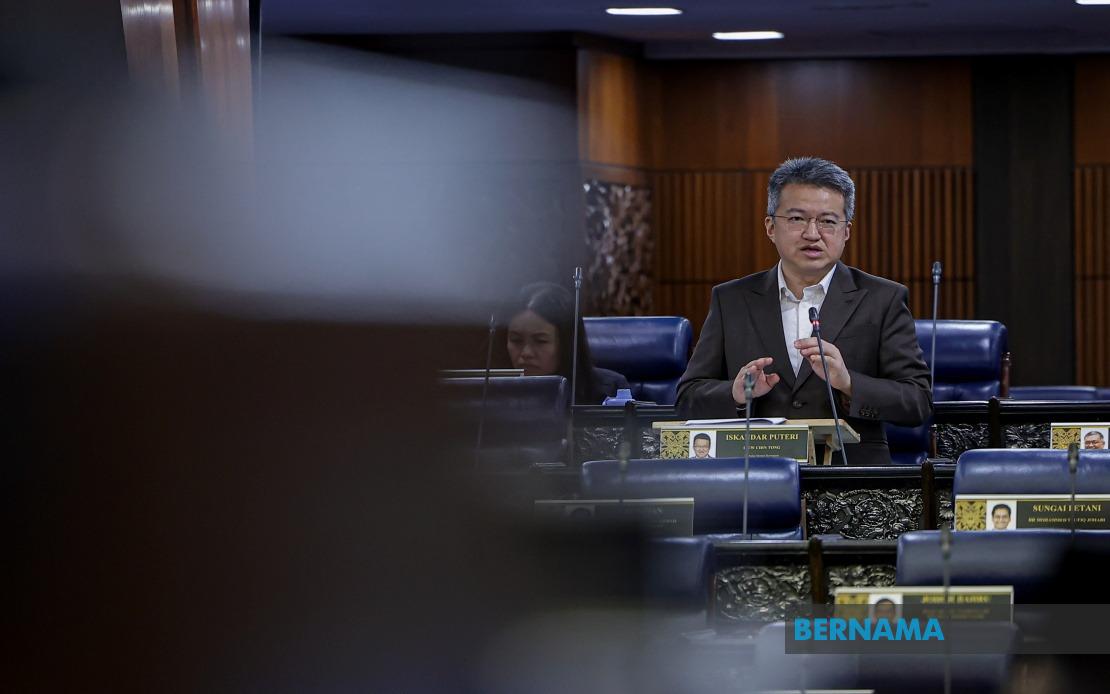
The Malaysian government is pursuing an ambitious series of governance reforms aimed at preventing another financial scandal of the magnitude of 1Malaysia Development Berhad while simultaneously working to restore the country's tarnished international reputation. Deputy Finance Minister Liew Chin Tong outlined these institutional initiatives in parliament, emphasising that Prime Minister Datuk Seri Anwar Ibrahim's administration has made strengthening public administration and financial controls a cornerstone of its broader economic agenda since taking office in March 2023.
The damage inflicted by 1MDB extends far beyond the billions in financial losses incurred by Malaysian taxpayers. The scandal triggered widespread international media scrutiny, prompted investigations by foreign enforcement agencies across multiple jurisdictions, and involved complex cross-border legal proceedings that cast Malaysia in an unfavourable light globally. This reputational harm has created persistent challenges for attracting foreign investment, competing internationally for market confidence, and maintaining credibility among global investors and trading partners who assess risk based partly on governance standards and institutional integrity. The psychological legacy of the scandal continues to weigh on Malaysia's efforts to position itself as a stable, well-managed jurisdiction within Southeast Asia.
Central to the government's reform agenda is the Public Finance and Fiscal Responsibility Act 2023, which establishes stronger mechanisms for ensuring fiscal discipline and preventing the concentration of power that enabled 1MDB's troubles. This legislation represents a fundamental shift in how Malaysia manages its public finances by imposing clearer constraints on discretionary spending and creating greater accountability for senior officials overseeing major financial commitments. The framework reflects lessons learned from how 1MDB operated with insufficient oversight from conventional accountability mechanisms, allowing mismanagement to accumulate unchecked until international attention exposed the problems.
Paralleling these legislative reforms, the government has moved to expand the Auditor-General's office through amendments to the Audit Act, granting it broader investigative powers through what officials describe as a "follow the public money" methodology. This approach enables comprehensive tracing of public expenditure throughout government agencies and statutory bodies, ensuring that funds allocated by parliament are deployed as intended rather than diverted for unauthorised purposes. The enhanced auditing framework addresses a critical institutional gap that existed previously, when traditional audit procedures lacked sufficient depth or authority to detect irregularities in complex financial arrangements involving multiple layers of institutional structures.
Beyond legislation, the MADANI administration is developing a Government Procurement Bill designed to introduce greater transparency and competitive discipline into how public resources are spent acquiring goods, services, and infrastructure. Procurement processes have historically represented vulnerability points in government finances, where lack of transparency or competitive bidding can facilitate corruption or wasteful spending. Bringing these processes under stricter regulatory oversight aims to eliminate opportunities for connected parties to secure government contracts at inflated prices or under preferential terms, thereby protecting the public interest and demonstrating commitment to market principles.
Reforming the governance framework for state-owned enterprises constitutes another prong of the government's strategy. These entities, which play significant roles across Malaysia's economy in sectors ranging from energy to telecommunications to development finance, have sometimes operated with insufficient oversight from their shareholder representatives in government. Strengthening the legal and administrative framework governing SOEs aims to ensure they function according to commercial disciplines and fiduciary principles rather than serving as vehicles for pet projects or political patronage. The 1MDB case itself, though nominally a strategic development vehicle, demonstrated the dangers of allowing a government-linked entity to operate with weak accountability structures.
The financial toll of the 1MDB crisis on Malaysia's public finances remains substantial and ongoing. Since 2017, the government has expended RM18.7 billion from both operating and development budgets simply to service the financial obligations arising from 1MDB's debts and commitments. This represents resources that could otherwise have been deployed toward education, healthcare, infrastructure, or social programmes benefiting ordinary Malaysians. When the current government assumed office, it faced the immediate challenge of managing USD3 billion in government-guaranteed bonds issued by 1MDB, requiring a RM13 billion reallocation from the development budget in 2023 alone—equivalent to over thirteen percent of that year's total development spending.
Despite these substantial financial drains and the reputational challenges posed by the scandal, Malaysia has managed to record its highest-ever approved foreign investments and achieved strong trade performance in recent periods. This suggests that the government's governance reforms, combined with Malaysia's underlying economic fundamentals and strategic location within Southeast Asia, have begun restoring international investor confidence. The improved competitiveness rankings globally indicate that persistent efforts to strengthen institutions and demonstrate commitment to transparent governance are yielding measurable results in how Malaysia is perceived by international economic actors.
For Malaysian readers and the broader Southeast Asian region, these governance initiatives carry significant implications. A Malaysia with stronger institutional safeguards, clearer fiscal discipline, and more robust auditing mechanisms becomes a more reliable partner for intra-regional investment and trade. The reforms also establish precedents that other ASEAN nations may observe and potentially adopt, contributing to raising governance standards across the region. The MADANI government's approach demonstrates that countries confronting major financial crises need not remain permanently weakened by them if they commit to systemic institutional improvements rather than merely pursuing individual accountability for wrongdoing.
The challenge ahead involves ensuring that these reforms translate from legislative and administrative frameworks into genuine practice across government agencies and public institutions. Institutional change requires not only new laws and procedures but also sustained commitment from political leaders, building expertise within oversight agencies, and cultivating an organisational culture that prioritises transparency and accountability over convenience or political expedience. Malaysia's track record over the coming years in implementing and enforcing these governance reforms will largely determine whether international confidence continues to recover and whether the 1MDB scandal ultimately becomes a cautionary episode that prompted systemic improvements or simply a temporary setback in the country's trajectory.

