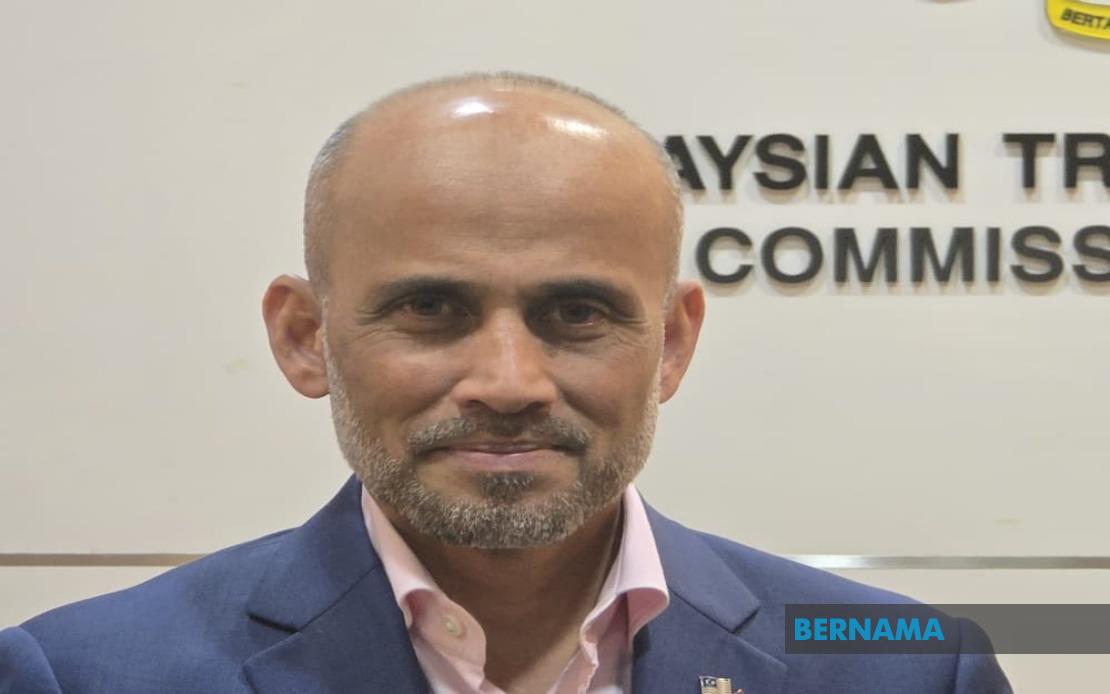
Malaysia and Singapore have deepened their bilateral relationship through collaborative crisis management and sustained institutional engagement, according to Datuk Dr Azfar Mohamad Mustafar, who is concluding his tenure as Malaysia's High Commissioner to the city-state. In reflections on his five-year posting, which began in June 2021, the diplomat underscored how both nations have methodically addressed shared challenges whilst expanding their multifaceted partnership across economic, consular, and regional governance frameworks. The relationship has matured considerably despite the external pressures that characterised much of his ambassadorial period, he observed.
The inaugural months of Azfar's posting presented extraordinary hurdles when the COVID-19 pandemic reached critical phases across Southeast Asia. Border restrictions and movement controls became necessary public health measures, yet they created acute disruption to the approximately 300,000 Malaysians who routinely traverse the international boundary for employment and commercial activity. Managing the administrative complexities that arose—particularly the surge in consular enquiries and visa-related issues—demanded rapid institutional coordination between the high commission and Singaporean authorities. These difficulties, though substantial, were navigated through established diplomatic channels and a demonstrated mutual commitment to minimising humanitarian impact on cross-border communities, he explained.
Beyond pandemic management, the economic architecture connecting the two economies has proven resilient and expansive. Trade volumes have recuperated to and surpassed pre-pandemic benchmarks, positioning Singapore amongst Malaysia's premier commercial partners once more. The financial relationship remains particularly significant, with Singapore-based investors maintaining substantial capital flows into Malaysian ventures across multiple sectors. This ongoing capital investment demonstrates sustained confidence in Malaysia's economic fundamentals and investment climate, reflecting broader recognition amongst Singaporean enterprises of opportunities within the Malaysian market.
The establishment of the Johor-Singapore Special Economic Zone represents an emerging catalyst for intensified bilateral economic cooperation. This strategically positioned infrastructure initiative offers fresh avenues for integrated production networks, logistics optimisation, and cross-border service delivery. Azfar particularly emphasised the potential for Singaporean investment to accelerate within Johor state, where the zone's advantages may catalyse industrial relocation and establishment of regional headquarters by multinational corporations seeking proximity to both economies. The undertaking signals sophistication in bilateral economic planning and reflects long-term thinking about regional competitiveness and industrial clustering.
Regional architecture will assume heightened significance as Singapore prepares to assume the ASEAN chairmanship in 2025. Malaysia has publicly committed to substantive support for Singapore's stewardship of the ten-member bloc, recognising that effective regional coordination serves both nations' interests. Singapore has signalled that deepening economic integration amongst ASEAN members constitutes a principal priority during its chairmanship term. Malaysia's supportive stance provides Singapore with backing from a substantial regional economy and reflects the two countries' shared conviction that strengthened intra-ASEAN economic ties enhance all member states' capacity to navigate geopolitical volatility and maintain strategic autonomy.
A second collaborative initiative gaining traction is the ASEAN Power Grid initiative, which seeks to interconnect electricity infrastructure across member states to enhance regional energy security and efficiency. Malaysia and Singapore have positioned themselves as champions of this transformative project, recognising its implications for sustainable energy transitions and economic resilience. Successful implementation would represent a watershed moment for practical ASEAN integration, demonstrating the bloc's capacity to execute complex, transnational infrastructure undertakings. Both nations appreciate that energy security increasingly intersects with broader strategic interests, particularly given global energy market volatility and the transition toward renewable sources.
Azfar's diplomatic career spans nearly three decades of service to Malaysia's foreign policy establishment. His appointment as an Administrative and Diplomatic Officer in 1996 inaugurated a trajectory that culminated in significant postings abroad, including ambassadorial representation to France from 2018 to 2021 before his Singapore appointment. His reassignment to the United Kingdom as High Commissioner, effective July 1, reflects the Foreign Ministry's assessment of his capabilities in managing consequential bilateral relationships and advancing Malaysian interests within sophisticated diplomatic contexts. His departure from Singapore concludes a chapter during which his stewardship navigated the bilateral relationship through unprecedented pandemic disruptions whilst positioning both nations for collaborative expansion.
The transition of ambassadorial leadership always carries implications for bilateral continuity and momentum. Incoming diplomatic personnel must rapidly assimilate institutional history, cultivate personal relationships with counterpart officials, and establish working patterns with diverse Singaporean government ministries and private sector interlocutors. The strength of institutional frameworks between Malaysia and Singapore, however, provides structural continuity that transcends individual ambassadorial tenures. Both governments maintain sophisticated bureaucratic mechanisms for managing bilateral affairs, and both have demonstrated commitment to preserving relationship quality across leadership changes.
For Malaysian readers, the significance of healthy Singapore relations extends beyond mere diplomatic courtesy. Singapore remains a vital commercial partner, investment source, and regional financial hub whose policies and stability have direct bearing on Malaysian prosperity. Approximately 300,000 Malaysian workers depend on cross-border employment arrangements that require stable bilateral relations and efficient consular services. Malaysian companies utilise Singapore as a regional operations base and capital-raising platform. Conversely, Singapore's strategic interests in Malaysian hinterland resources, market access, and regional stability ensure that bilateral engagement constitutes a genuine mutual priority rather than asymmetrical concern. Azfar's tenure during crisis periods ultimately demonstrated both nations' capacity to subordinate transient disagreements to shared long-term interests.
Looking forward, the bilateral relationship faces fresh opportunities and challenges. Technological advancement, climate imperatives, and geopolitical recalibration will test bilateral cooperation frameworks. Regional economic competition from other Southeast Asian nations requires that Malaysia and Singapore maintain innovative partnership models. The power grid initiative and economic zone development indicate that both governments recognise these pressures and are proactively constructing mechanisms for competitive advantage through integration rather than isolation. Azfar's optimism about future prospects, expressed during his final interviews, reflected professional assessment that institutional maturity and demonstrated resilience provide solid foundations for continued relationship deepening across multiple dimensions.
Azfar's emphasis on Malaysia's forthcoming support for Singapore's ASEAN chairmanship also carries deeper significance for Malaysian regional influence. By positioning itself as a reliable partner to the chairmanship, Malaysia strengthens its own voice within ASEAN deliberations and demonstrates leadership commitment to collective regional projects. This diplomatic positioning contrasts with any zero-sum approach to bilateral relationships and suggests that both governments view their partnership as foundational to broader Southeast Asian architecture rather than as a contained bilateral matter. The focus on transnational initiatives like the power grid exemplifies how Malaysia and Singapore increasingly frame their relationship as instrumental to addressing region-wide challenges rather than merely managing shared borders. This maturation in bilateral thinking offers constructive lessons for other Southeast Asian state pairings navigating similar pressures and opportunities.

