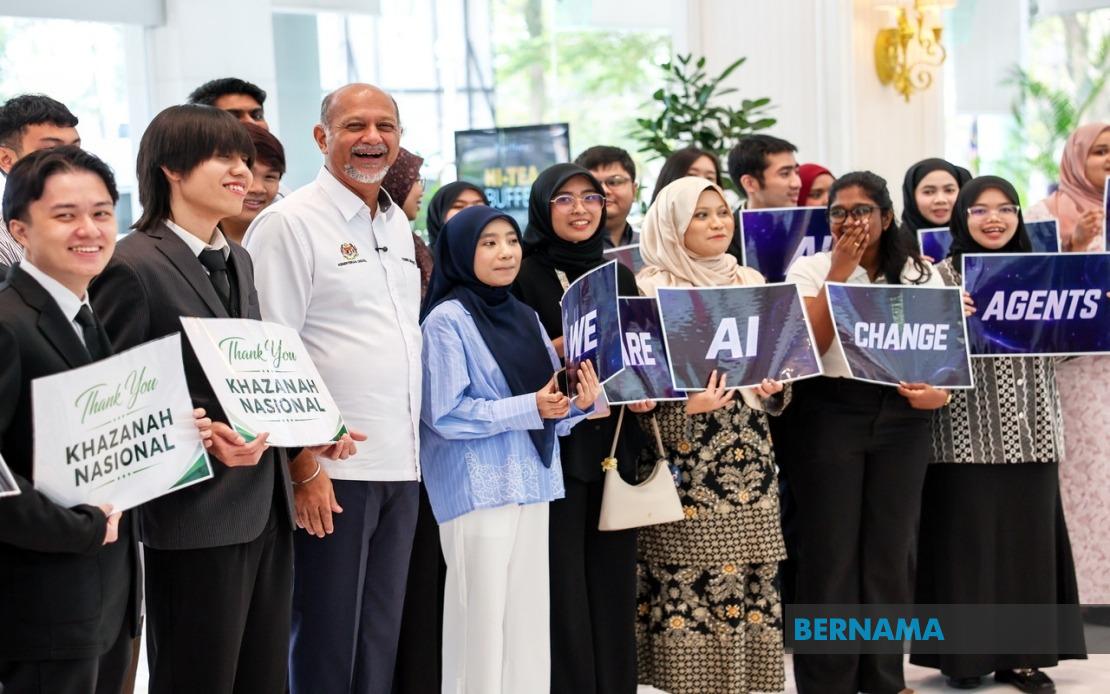
Malaysia's approach to emerging technologies is undergoing a fundamental transformation, according to Digital Minister Gobind Singh Deo, who signalled a decisive shift away from the traditional reactive policy-making that has long characterised government responses to technological disruption. Speaking at the AI-Ready Malaysia Summit 2026 in Petaling Jaya, Gobind articulated a vision where policymakers anticipate challenges before they materialise, rather than scrambling to address problems after they have already caused widespread impact. This recalibration reflects growing recognition within government circles that the velocity of technological change—particularly in artificial intelligence—now outpaces conventional legislative and enforcement mechanisms.
The limitations of Malaysia's historical approach have become increasingly apparent. When governments respond reactively, they typically wait for an issue to emerge, then embark on the lengthy process of formulating policy responses, drafting legislation, and establishing enforcement frameworks. By the time these mechanisms are in place, substantial damage has often occurred, and the technology landscape has already shifted again. Gobind acknowledged this inefficiency, emphasising that such sluggish responses are fundamentally incompatible with the acceleration of innovation cycles across the AI sector. The Digital Minister's candid assessment suggests that previous administrations' ad-hoc approaches have left Malaysia vulnerable to being outmanoeuvred by nations that have already embedded proactive governance structures into their technological development strategies.
Central to Malaysia's new strategic direction is the establishment of AI Malaysia, a dedicated institutional body tasked with steering the nation towards its ambitious goal of becoming a globally recognised AI nation by 2030. This entity represents more than bureaucratic reorganisation; it embodies a commitment to embedding foresight into policy formation. Rather than waiting for problems to crystallise, AI Malaysia is designed to scan the horizon, identify emerging risks and opportunities, and develop solutions preemptively. This forward-looking stance positions the organisation to mobilise resources and implement responses rapidly once challenges actually materialise, thereby maintaining Malaysia's competitive positioning within the global AI landscape and protecting its economic and social interests.
The government's strategic priorities reveal a sophisticated understanding of where AI disruption is most likely to occur. Gobind specifically highlighted six key sectors receiving particular attention: agriculture, transport, and healthcare among them. This sectoral focus is instructive, as these domains represent the intersection of economic significance and social impact within Malaysia's development priorities. Agricultural modernisation remains crucial for rural livelihoods; transport infrastructure affects both productivity and quality of life; and healthcare delivery is essential for population wellbeing. By anticipating AI-related transformations in these domains, Malaysian policymakers can help farmers, logistics operators, and medical professionals navigate the transition rather than experience it as a destabilising shock.
The establishment of prospective Bills and policies is integral to this proactive framework. Rather than reactive legislation hastily cobbled together in response to crisis, the government is developing legal and regulatory foundations while the technology is still in relatively early stages of commercial deployment. This allows for more considered deliberation, stakeholder consultation, and testing of regulatory approaches. For Malaysia, this approach offers particular advantages given the country's aspirations to attract regional AI investment and talent. Investors and researchers are more confident deploying technology in jurisdictions where the regulatory environment is transparent and anticipatory, rather than unpredictable and reactive.
Beyond institutional restructuring and legislative preparation, Gobind emphasised the critical importance of building technological capacity among Malaysia's population. He identified awareness as the foundational requirement—citizens and workers must first understand what AI is and grasp how it can improve productivity, reduce costs, or enhance quality of life in their specific contexts. This recognition reflects a sophisticated appreciation of technology adoption dynamics. Technical capability means little if the population lacks basic comprehension or sees AI as threatening rather than beneficial. By prioritising awareness-building, the government is addressing a prerequisite that many developing nations overlook in their rush towards technological integration.
Accessibility represents the second pillar of Malaysia's technology diffusion strategy. Gobind stressed that the AI ecosystem must be affordable and user-friendly across all segments of society, not merely available to privileged urban elites or large corporations with substantial technical resources. This emphasis on inclusive access reflects concerns about technological divides that could exacerbate existing inequalities. Without deliberate intervention, AI adoption might concentrate within already-prosperous urban centres and large firms, leaving rural communities, small businesses, and lower-income groups behind. Such unequal distribution would undermine national cohesion and waste human potential. The Digital Minister's framing suggests the government recognises that Malaysia's competitive advantage depends on broad-based technological capability, not elite expertise concentrated in a handful of hubs.
The adoption phase represents the culmination of awareness and accessibility initiatives. Gobind acknowledged that once these conditions are established, technology adoption can be integrated into daily life and begin generating tangible benefits across agriculture, healthcare, transport, and other priority sectors. This staged progression—awareness, accessibility, adoption—provides a realistic roadmap for technology deployment that accounts for human and organisational constraints. Rather than assuming that introducing advanced technology automatically produces benefits, the government is planning for the messy reality of technology integration, where social factors often prove as important as technical specifications.
Malaysia's recalibrated approach positions the nation within a broader regional context where competition for technological leadership is intensifying. Singapore has long dominated AI research and policy innovation in Southeast Asia; Vietnam and Indonesia are rapidly expanding their AI ecosystems; and Thailand is prioritising AI-driven smart city development. By establishing clear institutional frameworks, anticipating sectoral challenges, and building population-wide technological capacity, Malaysia is attempting to carve out a distinctive niche. The country's emphasis on inclusive adoption across all segments of society and focus on agriculture and healthcare reflects development priorities that differ from wealthier neighbours, potentially offering lessons for other middle-income nations navigating digital transformation.
The implications for Malaysian businesses and workers are substantial. Companies operating in AI-affected sectors can expect a more predictable regulatory environment, which reduces investment uncertainty. Workers facing automation risks can benefit from government initiatives to build awareness and skills before displacement occurs. However, success depends on execution. Establishing institutions and announcing intentions are comparatively straightforward; actually building awareness, ensuring accessibility, and facilitating adoption require sustained coordination across government agencies, private sector participation, and community engagement. The true test of Malaysia's proactive approach will emerge over the coming years as AI Malaysia translates policy aspirations into tangible outcomes across priority sectors.

