Malaysia has formally announced its candidacy for a non-permanent seat on the United Nations Security Council for the 2036–2037 term, positioning itself as an advocate for sweeping institutional reform at the world's premier forum for international peace and security. The move represents more than a straightforward pursuit of diplomatic representation; it signals Kuala Lumpur's commitment to addressing what its leadership views as fundamental structural inequities within the global governance system.
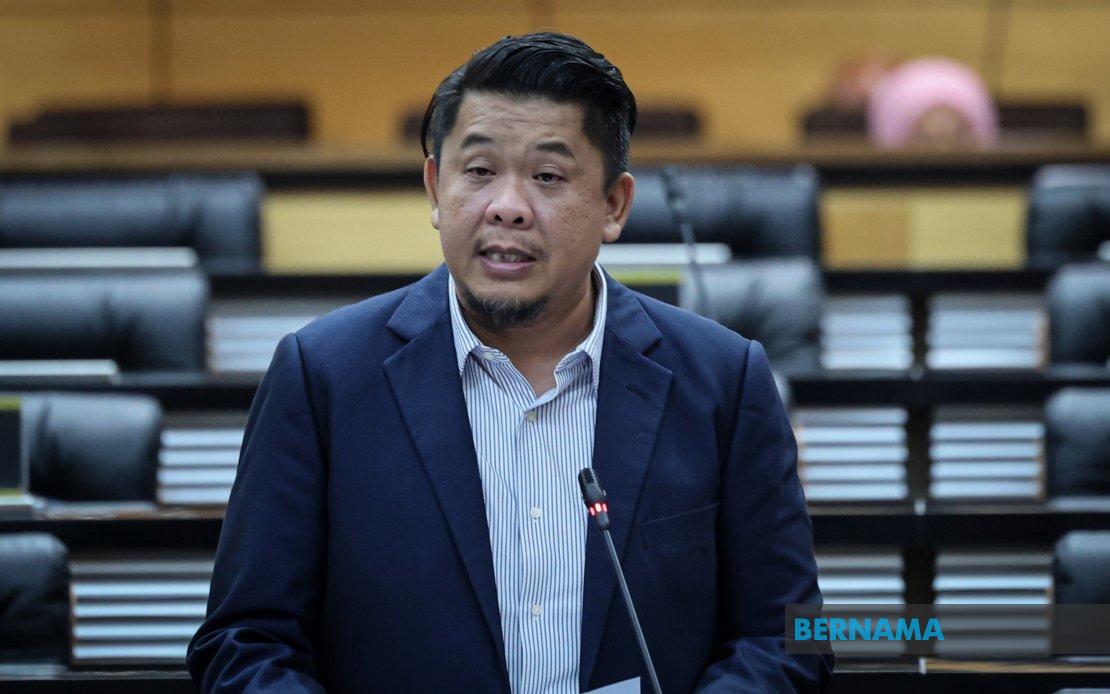
Deputy Foreign Minister Datuk Lukanisman Awang Sauni outlined Malaysia's rationale and priorities during parliamentary questioning, emphasizing that reform of the Security Council's veto mechanism stands at the forefront of the country's international agenda. The administration has identified the veto power wielded by the council's five permanent members—the United States, Russia, China, France, and the United Kingdom—as an instrument of injustice that undermines the council's legitimacy and effectiveness in addressing modern global crises.
Malaysia's position goes beyond rhetoric. Rather than calling for the complete elimination of the veto in all circumstances, Kuala Lumpur is advocating a more nuanced approach that would retain the mechanism in certain contexts while prohibiting its use in cases involving grave international law violations. The proposed framework would specifically bar veto deployment when deliberating accusations of war crimes, genocide, crimes against humanity, and the intentional targeting of civilian populations and infrastructure—violations that have become disturbingly recurrent in contemporary conflicts.
The timing of Malaysia's candidacy and its reform agenda reflects the country's response to ongoing geopolitical crises, particularly the Gaza conflict, which has exposed what many developing nations perceive as the council's paralysis when permanent members prioritize strategic interests over humanitarian imperatives. By explicitly referencing the destruction witnessed in Gaza, Malaysia is anchoring its institutional critique in real-world consequences, arguing that the current veto arrangement enables major powers to shield allies from accountability even when evidence of mass civilian harm accumulates.
Foreign Minister Datuk Seri Mohamad Hasan will amplify these messages during Malaysia's National Statement at the 81st UN General Assembly Debate scheduled for September in New York. This high-profile platform provides an opportunity to articulate the country's vision for a reformed multilateral system to both developed and developing nations, potentially galvanizing support among the broader UN membership that has long chafed under the constraints imposed by permanent member prerogatives.
Malaysia's candidacy arrives at a moment when the debate over Security Council reform has intensified. Various reform proposals have circulated internationally, ranging from expanding the permanent membership to restructure voting procedures, yet fundamental change has proven elusive due to resistance from current permanent members who benefit from existing arrangements. By officially entering the race and staking out a clear reformist platform, Malaysia positions itself as a champion of the interests held by smaller and mid-sized nations that lack permanent representation yet bear the consequences of council decisions affecting global peace and security.
Historically, Malaysia has served on the Security Council as a non-permanent member, bringing to that role the perspective of a developing nation deeply engaged with regional security challenges and international law. The country's track record demonstrates consistent advocacy for consensus-building and support for the United Nations' humanitarian mandates. A return to the council would enable Malaysia to press its reform agenda from within the institution's inner circles, potentially building coalitions among non-permanent members to challenge the status quo more forcefully.
The framing of Malaysia's candidacy around veto reform rather than narrower national interests reflects a strategic choice to emphasize universal principles and institutional legitimacy. By arguing that the veto itself represents an affront to international justice when deployed to shield alleged perpetrators of mass atrocities, Malaysia appeals to the moral and legal commitments that underpin the UN Charter itself, turning a political argument into one grounded in fundamental principles that resonate across ideological divides.
For Southeast Asian readers, Malaysia's initiative carries particular significance given the region's vulnerability to conflicts that might trigger Security Council involvement. A reformed council operating under constraints preventing veto use in war crimes cases could theoretically enhance the region's security by ensuring more decisive international responses to humanitarian catastrophes. Additionally, Malaysia's assertion of leadership on this issue elevates the voice of Southeast Asia within global governance structures, challenging the notion that reform agendas must originate from Western or established power centers.
The candidacy also reflects Malaysia's broader foreign policy orientation under current leadership, which has emphasized non-alignment, principle-based diplomacy, and the strengthening of multilateral institutions that serve developing nation interests. By championing Security Council reform rather than seeking accommodation with permanent member preferences, Kuala Lumpur distinguishes itself as willing to challenge entrenched power structures in pursuit of greater equity within the international system.
Parallel to the official candidacy submission, Malaysia faces the practical challenge of securing the 128 affirmative votes required for election by the General Assembly in 2035. Building this coalition will demand sustained diplomatic engagement across regional groups and ideological blocs, with the government's reform messaging serving as both a principled statement and a strategic tool for attracting support from nations similarly frustrated with Security Council dynamics.
The journey toward Malaysia's potential 2036–2037 term will inevitably involve navigating the preferences and concerns of existing permanent members, who retain informal veto power over substantive council reform through their General Assembly votes and diplomatic influence. Yet by staking out unambiguous positions now, Malaysia establishes a clear mandate from its electorate and the international community regarding the kind of council participation it will pursue, setting expectations that will shape its conduct throughout the election campaign and potentially beyond.

