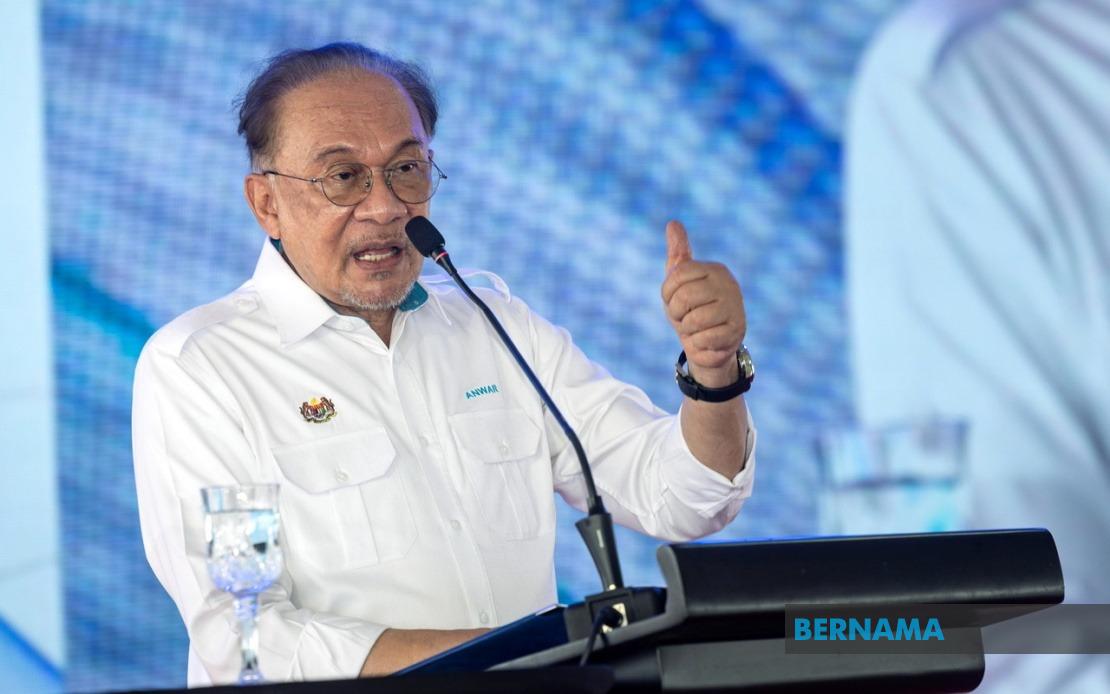
Malaysia has moved to solidify its long-term energy security through landmark partnerships with Russia and Turkmenistan, according to Prime Minister Datuk Seri Anwar Ibrahim. Speaking at an industrial park groundbreaking in Kepala Batas, Anwar outlined how both agreements position the country to meet its rising energy demands while opening new export opportunities across Asia.
The cooperation with Russia centres on a two-decade supply arrangement that emerged from recent bilateral discussions in Kazan. During his visit, Russian President Vladimir Putin personally assured the Malaysian Prime Minister of sustained access to oil, gas, and diesel throughout the 20-year period. Such guarantees from a major energy producer reflect deepening diplomatic ties between Kuala Lumpur and Moscow, particularly as both nations navigate a complex geopolitical landscape where energy partnerships have become strategically significant.
Equally significant is Malaysia's breakthrough with Turkmenistan, which Anwar described as yielding even more substantial gains for the nation's energy sector. Following extensive negotiations since Turkmenistan President Serdar Berdimuhamedov's December 2024 visit to Malaysia, Turkmenistan has now granted Malaysia expanded access to its vast hydrocarbon reserves. This development addresses a critical vulnerability in Malaysia's energy planning, as the country faces long-term depletion of its own domestic reserves and increasing consumption demands.
The Turkmenistan arrangement is particularly consequential because it grants Malaysia entry to one of the world's largest gas repositories. With global energy markets remaining volatile and supply chains vulnerable to disruption, securing access to a proven reserve base of this magnitude provides strategic insurance against price shocks and supply constraints. The reserves are sufficiently substantial that they can sustain Malaysia's domestic energy requirements for decades while simultaneously enabling the country to become a net exporter of liquefied natural gas to other regional powers.
Anwar emphasised that Malaysia intends to leverage these resources not merely for domestic consumption but as a means to strengthen economic partnerships across East Asia. China, Japan, and South Korea all face significant energy deficits relative to their industrial capacity and will increasingly depend on imports to sustain economic growth. By positioning itself as a reliable transit point and supplier of Turkmen and Russian energy resources, Malaysia can deepen commercial relationships with these economic powerhouses whilst earning substantial revenue from re-export activities and trading margins.
The strategic timing of these agreements reflects Malaysia's pragmatic approach to foreign policy. Rather than constraining itself within rigid ideological frameworks, the administration has pursued relationships with multiple energy suppliers to diversify sourcing and reduce dependency on any single partner. This approach mirrors successful models employed by European and Asian nations that maintain portfolio approaches to energy procurement. For Malaysia, diversification across Russia and Turkmenistan complements existing arrangements with other suppliers, creating redundancy that protects against geopolitical tensions or supply interruptions.
From a macroeconomic perspective, the agreements represent substantial wins for Malaysia's balance of payments and industrial competitiveness. Energy-intensive manufacturing sectors, from petrochemicals to steel production, require reliable, competitively priced feedstocks to remain viable globally. By securing long-term supplies at negotiated rates, Malaysia can offer downstream industries cost certainty that enhances their export competitiveness. Petrochemical facilities and refineries operating at competitive marginal costs will attract investment and generate high-value employment across the supply chain.
The negotiations with Turkmenistan also demonstrate Malaysia's capacity to conduct effective international diplomacy. Building trust with energy-rich nations requires sustained engagement, transparency, and the ability to articulate credible end-use plans. Turkmenistan's willingness to expand Malaysia's access reflects confidence in the nation's governance, payment reliability, and capacity to offtake committed volumes reliably. This reputation enhances Malaysia's standing in future commercial negotiations with other resource-rich countries.
Anwar's broader comments linking energy security to national prosperity underscore how resource availability underpins all other development objectives. Without assured energy supplies at reasonable costs, manufacturing cannot flourish, power generation becomes intermittent, and living standards stagnate. Conversely, abundant, reliable energy enables industrial expansion, job creation, and the capital accumulation necessary for long-term growth. By anchoring energy policy to two-decade agreements, the government provides private sector participants with the visibility necessary for major capital investments.
The initiatives also reflect recognition that Malaysia must prepare for an extended transition period during which oil and gas remain central to national energy systems. Although renewable energy deployment is accelerating, global energy models indicate hydrocarbons will constitute substantial shares of primary energy consumption throughout the next several decades. For Malaysia to pursue its development agenda whilst managing emissions, securing stable hydrocarbon supplies enables the country to avoid energy rationing whilst investing gradually in renewable infrastructure without inducing economic disruption.
Regionally, Malaysia's energy partnerships with Russia and Turkmenistan may influence broader Southeast Asian energy diplomacy. Other nations facing similar supply vulnerabilities may explore comparable arrangements, potentially creating a regional energy security framework less dependent on Middle Eastern producers and more aligned with Eurasian suppliers. Such rebalancing could reshape Asian geopolitics as energy flows create new interdependencies and commercial pathways.
Looking forward, the successful conclusion of these negotiations positions Malaysia to address multiple policy objectives simultaneously. Energy security is assured for domestic consumption and export. Industrial competitiveness is strengthened through access to affordable feedstocks. Diplomatic relationships with major powers are deepened through structured commercial cooperation. And employment opportunities expand as energy-related industries anticipate stable, long-term operating conditions. These layered benefits illustrate why energy diplomacy remains central to Malaysia's strategic planning.
%22%2F%3E%3C%2Fpattern%3E%3C%2Fdefs%3E%3Crect%20width%3D%22100%25%22%20height%3D%22100%25%22%20fill%3D%22url(%23ph1o3zeg)%22%2F%3E%3Crect%20width%3D%22100%25%22%20height%3D%22100%25%22%20fill%3D%22url(%23ph1o3zep)%22%2F%3E%3Ctext%20x%3D%2250%25%22%20y%3D%2250%25%22%20text-anchor%3D%22middle%22%20dominant-baseline%3D%22central%22%20fill%3D%22rgba(255%2C255%2C255%2C0.95)%22%20font-family%3D%22Georgia%2C%20'Times%20New%20Roman'%2C%20serif%22%20font-weight%3D%22700%22%20font-size%3D%22170%22%20letter-spacing%3D%22-0.02em%22%3ENational%3C%2Ftext%3E%3C%2Fsvg%3E)
%22%2F%3E%3C%2Fpattern%3E%3C%2Fdefs%3E%3Crect%20width%3D%22100%25%22%20height%3D%22100%25%22%20fill%3D%22url(%23ph4gh41g)%22%2F%3E%3Crect%20width%3D%22100%25%22%20height%3D%22100%25%22%20fill%3D%22url(%23ph4gh41p)%22%2F%3E%3Ctext%20x%3D%2250%25%22%20y%3D%2250%25%22%20text-anchor%3D%22middle%22%20dominant-baseline%3D%22central%22%20fill%3D%22rgba(255%2C255%2C255%2C0.95)%22%20font-family%3D%22Georgia%2C%20'Times%20New%20Roman'%2C%20serif%22%20font-weight%3D%22700%22%20font-size%3D%22170%22%20letter-spacing%3D%22-0.02em%22%3EMalaysia%3C%2Ftext%3E%3C%2Fsvg%3E)
%22%2F%3E%3C%2Fpattern%3E%3C%2Fdefs%3E%3Crect%20width%3D%22100%25%22%20height%3D%22100%25%22%20fill%3D%22url(%23ph4a2eeg)%22%2F%3E%3Crect%20width%3D%22100%25%22%20height%3D%22100%25%22%20fill%3D%22url(%23ph4a2eep)%22%2F%3E%3Ctext%20x%3D%2250%25%22%20y%3D%2250%25%22%20text-anchor%3D%22middle%22%20dominant-baseline%3D%22central%22%20fill%3D%22rgba(255%2C255%2C255%2C0.95)%22%20font-family%3D%22Georgia%2C%20'Times%20New%20Roman'%2C%20serif%22%20font-weight%3D%22700%22%20font-size%3D%22136%22%20letter-spacing%3D%22-0.02em%22%3EGovernment%3C%2Ftext%3E%3C%2Fsvg%3E)