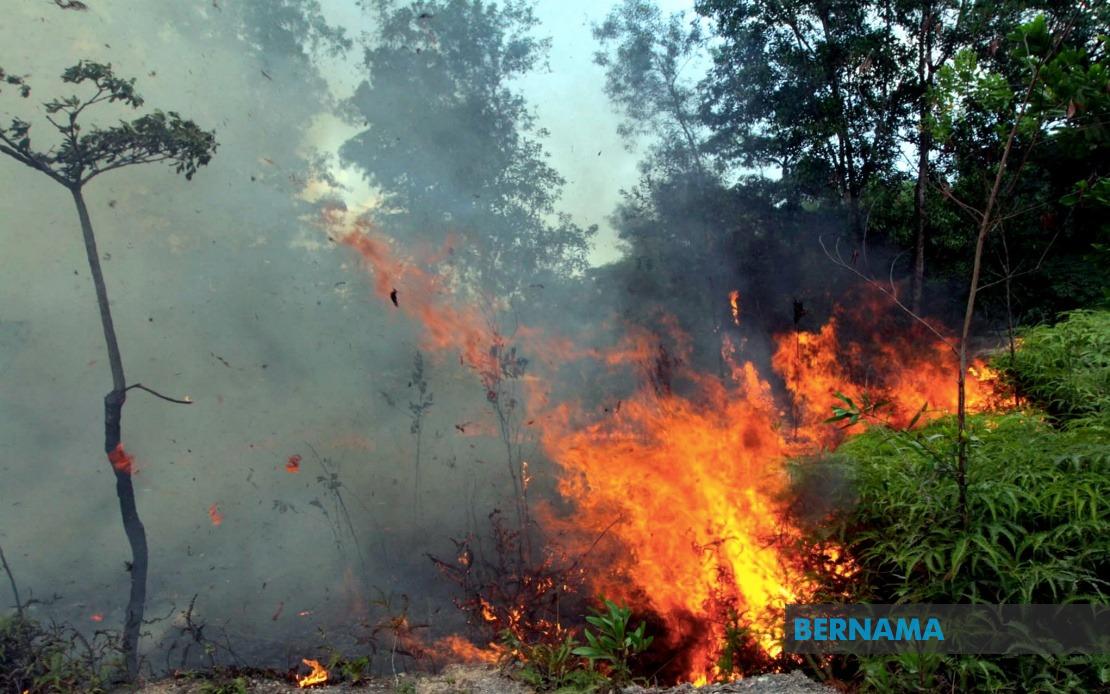
Malaysia's fire departments have sounded alarm bells over a sharp escalation in open burning incidents, with nearly 18,500 cases logged across forests, shrubland and waste areas during the first seven months of 2024. This dramatic spike underscores growing challenges in environmental management and emergency response as the country heads into what meteorologists warn could be a volatile weather period later in the year.
The Malaysian Fire and Rescue Department (JBPM) recorded 18,432 open burning cases between January and July, representing an 85 per cent jump compared with 9,941 incidents during the corresponding period in 2023, and also exceeding the 16,294 cases documented during the same timeframe in 2024. These figures illustrate an accelerating trend that has prompted urgent preventive action across multiple regions.
According to JBPM director-general Datuk Seri Nor Hisham Mohammad, the department has now prioritised active surveillance of 183 locations nationwide that have historically demonstrated vulnerability to open burning. This monitoring framework draws on five years of historical data to identify patterns and predict flashpoints. Of particular concern is a subset of 62 locations classified as being at acute risk of large-scale conflagrations, defined as fires consuming areas exceeding 25 hectares. At this scale, mobilising adequate firefighting resources becomes logistically challenging, and containment efforts frequently struggle to keep pace with fire propagation.
Sarawak has emerged as a particular pressure point, with significant blazes currently reported in Sri Aman and Mukah districts. While Peninsular Malaysia has experienced numerous incidents as well, the scale tends to remain smaller. However, authorities view Sabah as deserving heightened vigilance, given the state's dense vegetation and challenging topography, conditions that accelerate fire spread and complicate suppression operations. Around Kota Kinabalu alone, seven major fire locations identified during 2024 have been incorporated into the high-risk monitoring roster, illustrating the concentrated severity in certain zones.
The proliferation of open burning incidents has been substantially driven by elevated temperatures in localised areas. Rising heat conditions create optimal circumstances for uncontrolled combustion, whether arising from agricultural clearing, waste disposal practices, or natural ignition sources. This environmental trigger demonstrates the intersection between climate variability and human activity in fuelling the crisis.
Looking ahead, JBPM has begun mobilising defences against anticipated weather upheaval stemming from the Super El Niño phenomenon. El Niño cycles historically correlate with drier conditions across equatorial Southeast Asia, potentially intensifying wildfire danger. Meteorological forecasts indicate that the Pacific-based phenomenon will commence around November, with ripple effects anticipated to reach Malaysian territories during the third or fourth week of January next year. This advance warning has prompted the department to structure preparedness initiatives well ahead of the anticipated climatic shift.
The convergence of surging open burning incidents, identified high-risk zones, and looming atmospheric volatility creates a complex operational landscape for fire management authorities. The 62 priority locations represent focal points where proactive intervention—through community education, enforcement of burning restrictions, and pre-positioned resources—could yield meaningful reduction in damage. The challenge, however, extends beyond infrastructure and personnel; it requires sustained coordination between federal agencies, state governments, and local communities to address the root causes driving open burning practices.
For Malaysian policymakers and regional observers, these trends carry implications beyond immediate fire suppression. Uncontrolled burning degrades air quality across borders, creating transboundary health and environmental consequences familiar to the region from previous haze episodes. The economic toll extends to agriculture, tourism, transportation disruptions, and healthcare burdens. Furthermore, the escalating frequency of incidents reflects broader questions about land-use management, waste treatment infrastructure, and climate resilience planning across the country.
The JBPM's proactive identification of high-risk zones and early preparation for El Niño impacts represent evidence-based risk management, yet effectiveness ultimately hinges on implementation rigour and resource adequacy. As Malaysia approaches the volatile weather window anticipated for early 2025, the coming months will test whether the department's surveillance and preparedness frameworks can arrest the upward trajectory in burning incidents and protect communities, ecosystems, and regional air quality from the cascading consequences of large-scale uncontrolled fire.

