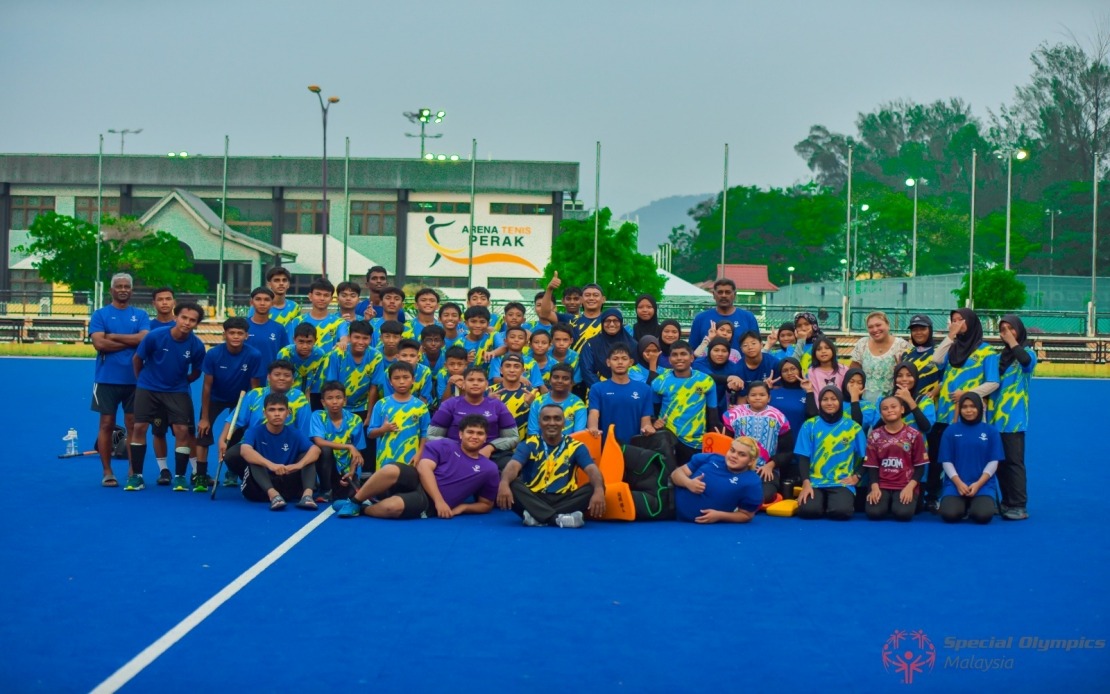
Malaysia is set to make its debut at the inaugural FIH Para Hockey ID World Cup 2026, dispatching a carefully selected 10-member squad to compete in Belgium and the Netherlands from August 20 to 25. The team composition reflects a balanced mixed-gender approach, featuring six male and four female athletes chosen through a rigorous selection process that commenced in December 2025. According to Shanker Retinam, assistant head of delegation for the Malaysian contingent, the athletes were picked based on performance metrics, training commitment, and disciplinary standards—criteria emphasising the calibre of preparation undertaken by the national programme.
The selection process underscores Malaysia's serious commitment to para hockey development. Since December 2025, chosen players have participated in intensive monthly centralised training sessions conducted in Ipoh, the capital of Perak. This systematic approach reflects a strategic investment in preparing athletes for a tournament that will showcase Malaysia's capabilities in intellectual disability para hockey on the global stage. The monthlong preparation regimen demonstrates the federation's understanding that competing against the world's elite requires sustained, organised effort rather than ad-hoc arrangements.
The tournament itself carries considerable prestige beyond its sporting significance. The FIH Para Hockey ID World Cup will gather 16 of the world's strongest teams, establishing itself as the premier international competition for this classification. What amplifies the occasion further is the simultaneous staging of the Men's and Women's Hockey World Cups at identical venues across Belgium and the Netherlands. This convergence transforms the sporting landscape during late August, positioning para hockey alongside its elite counterparts and lending it equivalent recognition and infrastructure support. For Malaysian athletes, competing under such conditions provides invaluable exposure and legitimacy at the highest competitive echelon.
Malaysia's tournament draw places the national side in Pool B, where they will encounter a formidable collection of nations. Their group encompasses the Netherlands—hosts and presumed tournament favourites—alongside Argentina, England, Spain, India, Chile, and Bulgaria. The Malaysian team is scheduled to begin their campaign against Bulgaria in the Netherlands, presenting an opportunity to establish early momentum before confronting more established hockey powerhouses in subsequent pool matches. This opening fixture carries tactical importance in setting the psychological and competitive tone for the remainder of the competition.
The squad's departure is planned for August 17, providing three days for acclimatisation and final preparations before competition commences. Prior to embarking for Europe, the team will participate in a flag-handover ceremony at the Royal Perak Golf Club, where Sultan Nazrin Shah, the Sultan of Perak, will officiate. This ceremonial component reflects the cultural significance Malaysia attaches to international sporting endeavours and underscores the patronage extended by the state's leadership to para-athletic development.
For Malaysian para hockey, this inaugural World Cup represents a watershed moment. The intellectual disability classification has traditionally received less media attention and resource allocation compared to other para-sport categories, yet this tournament legitimises the classification's standing within the international hockey federation's hierarchy. Competing against nations ranging from traditional hockey strongholds such as England to emerging programmes in Chile and Bulgaria affords Malaysian athletes exposure to diverse tactical approaches and competitive standards.
The timing of Malaysia's participation coincides with broader momentum in Southeast Asian para-sport development. While neighbouring Thailand and Vietnam have established stronger profiles in certain disability classifications, Malaysia's entry into para hockey competition demonstrates the nation's commitment to diversifying its Paralympic portfolio beyond historical strongholds. The intellectual disability category particularly offers expansion potential, as training infrastructure and athlete identification protocols continue maturing across the region.
From a technical standpoint, the mixed-gender nature of the tournament aligns with contemporary trends toward gender inclusion within international sport. Malaysia's balanced 6-4 male-female ratio indicates deliberate effort to ensure equitable representation rather than relegating women athletes to peripheral roles. This compositional choice reflects evolving standards within global hockey governance and positions the national programme as aligned with progressive sporting values.
The competitive context surrounding this debut warrants consideration regarding realistic expectations. Pool B contains several nations with established hockey traditions and substantially larger player bases from which to draw para-hockey talent. Nevertheless, Malaysia's participation itself constitutes achievement, as fewer than 16 nations globally maintain active para hockey intellectual disability programmes. The experience gained through international competition will likely inform long-term programme development, athlete retention, and coaching refinement.
Looking beyond August 2026, this tournament serves as a platform for identifying sustainable pathways within para hockey. Success will be measured not merely through match outcomes but through the catalytic effect on domestic participation, sponsorship interest, and media coverage. Malaysian audiences and stakeholders observing their athletes compete at this elevated level may view para hockey with renewed interest, potentially generating grassroots engagement and talent pipeline development. The visibility gained at the world championships can translate into institutional support and resources that strengthen the sport's infrastructure domestically.

