Malaysia has activated formal diplomatic channels to pursue compensation for the cancelled Naval Strike Missile procurement contract with Norway's Kongsberg Defence & Aerospace, with Defence Minister Datuk Seri Mohamed Khaled Nordin confirming that both the Defence Ministry and Foreign Ministry have formally notified the Norwegian government of the nation's position and intended course of action. The move represents a structured approach to what could otherwise develop into a protracted and costly legal dispute, with Malaysia strategically enlisting Norway's government to facilitate negotiations between Malaysian authorities and the defence contractor.
The decision to involve Norway's government as a mediating party underscores Malaysia's recognition that bilateral state-level engagement can prove more effective than direct corporate negotiations in resolving high-value defence procurement disputes. By requesting Norway to play a facilitating role, Malaysia positions itself to leverage diplomatic goodwill and mutual defence relations, factors that often carry significant weight in negotiations between allied nations. This diplomatic strategy avoids the adversarial posture of immediate litigation while maintaining Malaysia's negotiating leverage through formal government-to-government communication.
Defence Ministry and Foreign Ministry coordination on this matter reflects the complex nature of defence procurement disputes, which invariably intersect commercial, diplomatic, and strategic considerations. The Foreign Ministry's written correspondence with the Norwegian government represents the formal diplomatic machinery at work, creating an official record of Malaysia's claims and establishing a framework within which any settlement discussions would occur. Such documentation serves multiple purposes: it protects Malaysia's legal position should negotiations fail, demonstrates serious intent to resolve the matter, and signals to Kongsberg Defence that Malaysia will pursue all available channels to obtain fair compensation.
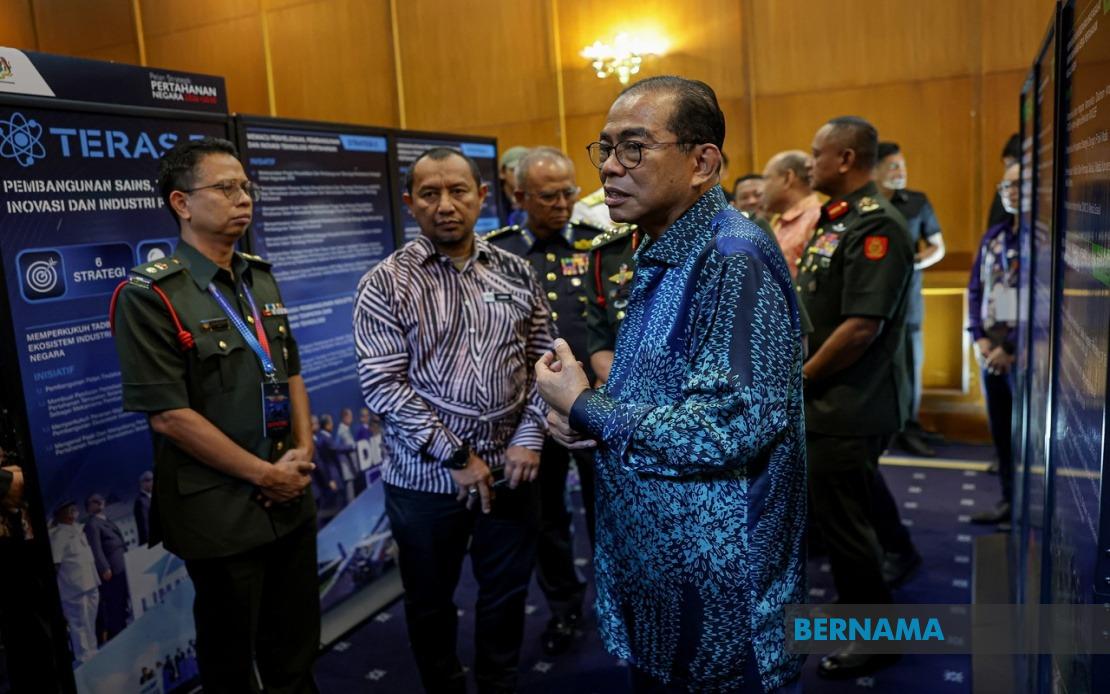
The timing of the Defence Minister's statement, delivered during the launch of the National Defence Strategic Plan and Defence Capability Blueprint 2026-2030, carries symbolic weight beyond the immediate compensation dispute. By publicly affirming Malaysia's commitment to resolving the matter while simultaneously unveiling long-term defence capabilities frameworks, the government attempts to separate the contractual dispute from broader defence modernisation objectives. The presence of Chief of Defence Force General Tan Sri Malek Razak Sulaiman at the event underscored the military establishment's backing for both the compensation effort and the new strategic direction.
The Public Accounts Committee's involvement introduces parliamentary scrutiny into what might otherwise remain a confidential executive matter. By formally receiving a special briefing from the Defence Ministry, the PAC signals that parliament takes seriously questions regarding fiscal stewardship in defence spending and the handling of contract disputes. The committee's subsequent urging of the government to strengthen mitigation and diplomatic efforts while safeguarding fiscal sovereignty reflects concern that Malaysia might settle for inadequate compensation or face demands that strain public finances. This parliamentary oversight creates internal accountability mechanisms that complement the external diplomatic efforts.
The PAC's emphasis on safeguarding fiscal sovereignty alongside pursuing fair resolution establishes important parameters for any eventual settlement. Malaysia cannot afford to set precedents that invite future contractors to pursue inflated claims when Malaysian authorities cancel defence contracts, yet must also ensure it pays adequate compensation to avoid damaging its reputation as a reliable contracting partner. This balancing act requires careful negotiation strategy, where diplomacy serves to reduce the asymmetry of information and leverage that might otherwise favour the contractor.
For Malaysia and comparable Southeast Asian defence procurement contexts, this dispute carries broader implications about contract management and political decision-making. The original cancellation decision, likely reflecting changed political circumstances or budgetary constraints, illustrates how defence procurement plans remain vulnerable to sudden shifts in political priorities. The subsequent compensation dispute demonstrates that defence ministers cannot simply abandon signed contracts without incurring substantial financial and diplomatic costs. Future Malaysian administrations will likely factor potential compensation liabilities into their calculus when considering major contract cancellations.
The involvement of Kongsberg Defence & Aerospace, a major Scandinavian defence contractor with established relationships across multiple countries, means this dispute occurs within a network of international defence commerce where reputational considerations matter significantly. How Malaysia handles this compensation claim will influence future procurement decisions by Norwegian and other Scandinavian companies when considering Malaysian military contracts. A fair and transparent resolution process benefits all parties by maintaining the contractual environment that enables legitimate defence industry relationships.
Norway's potential role as mediator reflects the generally positive diplomatic relationship between Malaysia and Norway, despite the geographic and cultural distance between the two nations. Norway's willingness to engage in mediating defence-related commercial disputes suggests sufficient mutual interest in maintaining cordial relations. This context provides Malaysia with diplomatic leverage: Norway has incentives to facilitate a reasonable resolution that allows the Norwegian government and contractor to maintain constructive relations with Malaysian authorities.
The diplomatic approach also allows Malaysia to avoid the costs and uncertainties of international arbitration or litigation, which can extend over years and consume substantial government resources. By framing the issue as a matter for government-to-government facilitation rather than commercial dispute resolution, Malaysia appeals to sovereignty considerations and mutual state interests that can sometimes overcome the hardened positions that emerge in formal legal proceedings. This soft-power approach suits Malaysia's broader strategic interests in maintaining stable defence industry relationships.
Looking forward, the success of this diplomatic initiative will depend partly on Malaysia's ability to demonstrate legitimate grounds for compensation while acknowledging any contractual complexities that might limit liability. The government must also calibrate public expectations, as parliament and the public rightly expect transparent accounting for public expenditures. Clear communication about the negotiations' progress and eventual outcomes will reinforce public confidence that decision-makers have acted in the national interest.
The compensation dispute ultimately reflects the growing maturity of Malaysia's defence procurement system, where even cancellations involve complex negotiations over financial settlements rather than simple terminations. As Southeast Asian nations increasingly acquire sophisticated defence systems, understanding how to manage contract disputes becomes as important as managing procurement processes themselves. Malaysia's diplomatic approach to resolving this Norwegian defence contractor dispute may establish useful precedents for how the region handles similar disputes in future.

