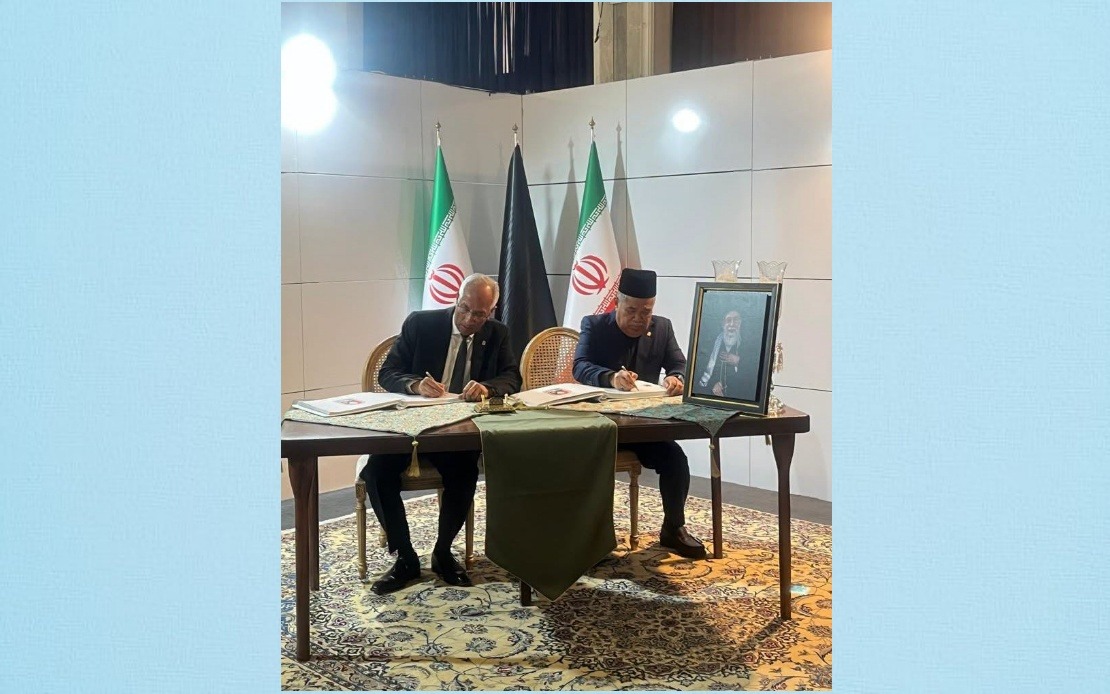
Malaysia has dispatched a high-level government delegation to Iran to participate in the ceremonial mourning for former Supreme Leader Ali Khamenei, with Agriculture and Food Security Minister Datuk Seri Mohamad Sabu heading the mission. The delegation's presence at the Grand Mosalla in Tehran underscores the diplomatic ties between Kuala Lumpur and Tehran, particularly at moments of significant national importance within the Islamic world.
The funeral arrangements for Khamenei extend across multiple days and several of Islam's holiest locations. Following the initial tribute ceremony at the Grand Mosalla in Tehran, the procession will move through Qom and then to the Shia holy cities of Najaf and Karbala in Iraq before culminating at the Imam Reza Shrine in Mashhad, where the final burial is scheduled for July 9. This itinerary reflects both the deceased's prominence in the Islamic Republic and the widespread reverence he commanded among Shia Muslims across the region.
The timing of these ceremonies carries particular significance, as they occur more than four months after the February 28 incident that claimed Khamenei's life. The attack, which involved military operations attributed to the United States and Israel, marked a dramatic escalation in regional tensions and sent shockwaves through Iran's government and religious establishment. The delayed funeral arrangements, extending over several months, have allowed for comprehensive preparations befitting a figure of Khamenei's historical importance to the Islamic Republic.
Upon arrival in Tehran, Mohamad was received by Mohammad Bagher Ghalibaf, the Speaker of the Iranian Parliament, and Abbas Araghchi, Iran's Foreign Minister. Such high-level protocol in receiving the Malaysian delegation reflects the respect afforded to Kuala Lumpur within diplomatic circles in Tehran and acknowledges Malaysia's standing as an important Muslim-majority nation in Southeast Asia. These interactions also serve to reinforce bilateral relationships between the two countries during a period of mourning.
Malaysia's participation in these ceremonies carries significance for Southeast Asian foreign policy. As a prominent ASEAN member and Muslim-majority nation, Malaysia's diplomatic engagement with Iran signals continued engagement with the broader Muslim world despite geopolitical complexities. The government's decision to send a ministerial delegation demonstrates the priority placed on maintaining relations with Tehran, particularly during ceremonial occasions that hold deep religious and political meaning.
The involvement of religious and governmental figures from across the Islamic world in Khamenei's funeral proceedings reflects his role as a pivotal figure in twentieth and twenty-first century Islamic politics. His influence extended beyond Iran's borders to shape Shia communities and resistance movements throughout the Middle East and beyond. The multi-city funeral route through Iraq's holy cities particularly emphasizes this broader regional influence and the connections that bind various Shia populations across national boundaries.
Modern diplomatic protocol demands that nations express condolences and participate in state funerals through official delegations, and Malaysia's presence aligns with international conventions governing such occasions. However, the participation also reflects deeper religious and cultural connections that bind Muslim-majority nations, particularly those with significant Shia populations. The decision to send a cabinet minister rather than a lesser official underscores the governmental significance attributed to the occasion.
The circumstances surrounding Khamenei's death remain a focal point of regional geopolitical tension. The attribution of the attack to coordinated action by the United States and Israel intensified anti-Western sentiment throughout Iran and the broader Islamic world. Malaysia's engagement with Iran during this period of mourning and heightened tensions demonstrates careful diplomatic balancing, particularly important for a nation seeking to maintain relations across diverse geopolitical alliances and interests.
Modamad's public remarks about the ceremonies, shared via Facebook, included prayers for the deceased's soul and forgiveness of sins, reflecting the spiritual dimension of such diplomatic missions. This religious expression alongside governmental representation illustrates how Malaysia navigates the intersection of faith and statecraft in its foreign relations. The personal spiritual components of the delegation's visit complement the official diplomatic functions.
The funeral proceedings across multiple nations and cities will likely continue to draw governmental delegations from Muslim-majority countries and Iran's allies throughout the coming week. Malaysia's early participation positions the country prominently among nations expressing official respect and solidarity during this significant moment for the Islamic Republic. The delegation's activities will be followed closely by observers of regional diplomacy and Malaysian foreign policy trajectories.

