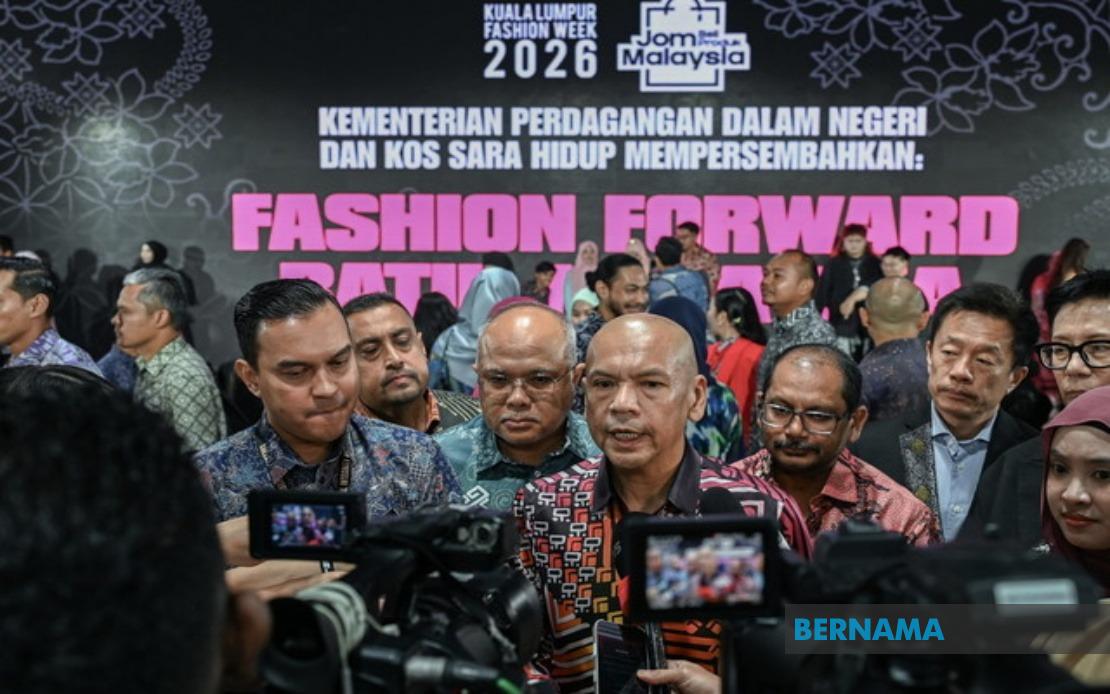
The Malaysian government is embarking on a comprehensive consultation process to refine its approach to boosting domestic consumption and production of locally manufactured goods. Datuk Armizan Mohd Ali, the Minister of Domestic Trade and Cost of Living, has issued an invitation for businesses, industry associations, and other interested parties to contribute their perspectives on how government policies can better serve the needs of the local manufacturing and entrepreneurial sectors. This move signals recognition that previous efforts to promote local products may have lacked sufficient coordination and stakeholder alignment to achieve meaningful economic outcomes.
The initiative is anchored by a newly constituted Cabinet Committee to Empower the Use and Purchase of Local Products, which was formally established in July and held under the leadership of Deputy Prime Minister Datuk Seri Fadillah Yusof. The committee structure reflects the cross-sectoral nature of the challenge, bringing together the Ministry of Economy, the Ministry of Investment, Trade and Industry, the Ministry of Tourism, Arts and Culture, the Ministry of Entrepreneur Development and Cooperatives, and the Finance Ministry, among other government entities. By consolidating these previously disparate efforts under a single coordinating body, with KPDN serving as the secretariat, the government aims to eliminate the bureaucratic fragmentation that has historically hindered the effectiveness of pro-domestic business initiatives.
Armizan emphasized that the committee's forthcoming inaugural meeting will prioritize the systematic collection and consideration of feedback from the broader business ecosystem. According to his remarks, stakeholders can submit their proposals and suggestions directly to KPDN or to the relevant sectoral ministries, with the understanding that these inputs will be formally presented to the Cabinet Committee for policy development. This structured approach to consultation represents a departure from top-down policymaking and acknowledges that sustainable economic strategies must be informed by the lived experiences and practical challenges of those operating within the relevant industries.
The government's intensified focus on local product promotion comes against the backdrop of mounting concerns among domestic entrepreneurs about the scale of foreign competition, particularly through digital commerce channels. Small and medium enterprises have grown increasingly vocal about their vulnerability to cheaper imported goods and the aggressive expansion of foreign retailers into the Malaysian market. The influx of products through online platforms has been identified as a particular pressure point, as traditional brick-and-mortar retailers struggle to compete with the pricing and convenience offered by international e-commerce players. By establishing this coordinated policy framework, the government is signaling its commitment to addressing these structural disadvantages facing local businesses.
One tangible expression of this commitment is the government's partnership with the Kuala Lumpur Fashion Week, which Armizan highlighted during the Fashion Forward Batik segment of KLFW 2026. This collaboration forms part of the broader Jom Beli Produk Malaysia (JOM MALAYSIA) movement, a branded initiative designed to promote domestic products through collaborative engagement with industry stakeholders. The strategic positioning of local fashion and batik products within an international platform demonstrates the government's recognition that domestic brands cannot compete effectively if confined to domestic markets alone; they require visibility and accessibility on the global stage to achieve sustainable commercial viability and growth.
The commercial metrics associated with KLFW underscore the potential scale of international interest in Malaysian products when presented strategically. Last year's edition generated USD32 million in media value, reflecting the event's substantial reach within global fashion industry networks. This demonstrates that Malaysian creative industries possess genuine international competitiveness when given adequate promotional support and professional presentation frameworks. By leveraging such platforms, KPDN is attempting to establish sustainable pathways for local enterprises to achieve export-oriented growth rather than relying primarily on domestic market protection measures.
The broader context for these initiatives involves the significant economic contribution of Malaysia's cultural and creative sectors. According to the 2024 Cultural and Creative Satellite Account Report, these industries contributed RM130.7 billion to gross domestic product, representing 6.8 percent of the national economy. This substantial contribution underscores why the government views support for local creative enterprises not merely as a commercial protection measure but as a strategic investment in a high-value economic sector capable of generating employment, export revenues, and cultural soft power. The integration of cultural and creative industry development with broader local product promotion strategies reflects this understanding of interconnected economic priorities.
The establishment of this coordinated Cabinet Committee represents a significant structural change in how the Malaysian government approaches domestic economic development. Rather than allowing individual ministries to pursue parallel initiatives with limited coordination, the new framework creates institutional mechanisms for synchronized policymaking across traditionally separate domains. This approach mirrors international best practices in industrial policy, where successful economies have demonstrated that coherent, multi-stakeholder strategies generate superior outcomes compared to fragmented sectoral approaches. The Malaysian government's adoption of this model suggests recognition that sustained economic competitiveness requires strategic alignment across trade, investment, cultural development, and entrepreneurship portfolios.
The invitation for stakeholder feedback also reflects a maturing understanding of policy effectiveness within Malaysian governance circles. Rather than assuming that government agencies possess superior knowledge about business challenges and opportunities, this consultation-based approach treats industry participants as essential sources of practical intelligence. Businesses operating within specific sectors possess granular knowledge about regulatory barriers, supply chain inefficiencies, market access constraints, and consumer preference dynamics that government analysts may not readily access. By systematically incorporating these perspectives into policy formulation, KPDN is positioning the Cabinet Committee to develop strategies grounded in operational reality rather than abstract economic theory.
For Malaysian businesses seeking to expand their market presence and international reach, this policy framework offers both opportunities and implications. The government's commitment to coordinating multi-agency support for local products suggests that future policy initiatives may include targeted incentives, market access programs, and international promotion support. However, the effectiveness of these measures will depend substantially on the government's ability to translate stakeholder feedback into concrete policy reforms that address genuine business constraints. Enterprises interested in influencing the policy agenda should recognize this consultation window as a meaningful opportunity to articulate their needs and constraints to decision-makers across government.
The challenge ahead for KPDN and the Cabinet Committee involves translating this expanded stakeholder consultation into coherent policy architecture that avoids protectionist pitfalls while genuinely enhancing the competitive position of local enterprises. Markets function most effectively when they reward efficiency and innovation rather than merely domestic origin, suggesting that sustainable local product promotion must focus on removing structural barriers to productivity improvement rather than simply restricting foreign competition. The success of this initiative will ultimately be measured not by the volume of feedback received but by the government's capacity to synthesize diverse stakeholder perspectives into policies that generate measurable improvements in the competitiveness and growth of Malaysian businesses within both domestic and international markets.

