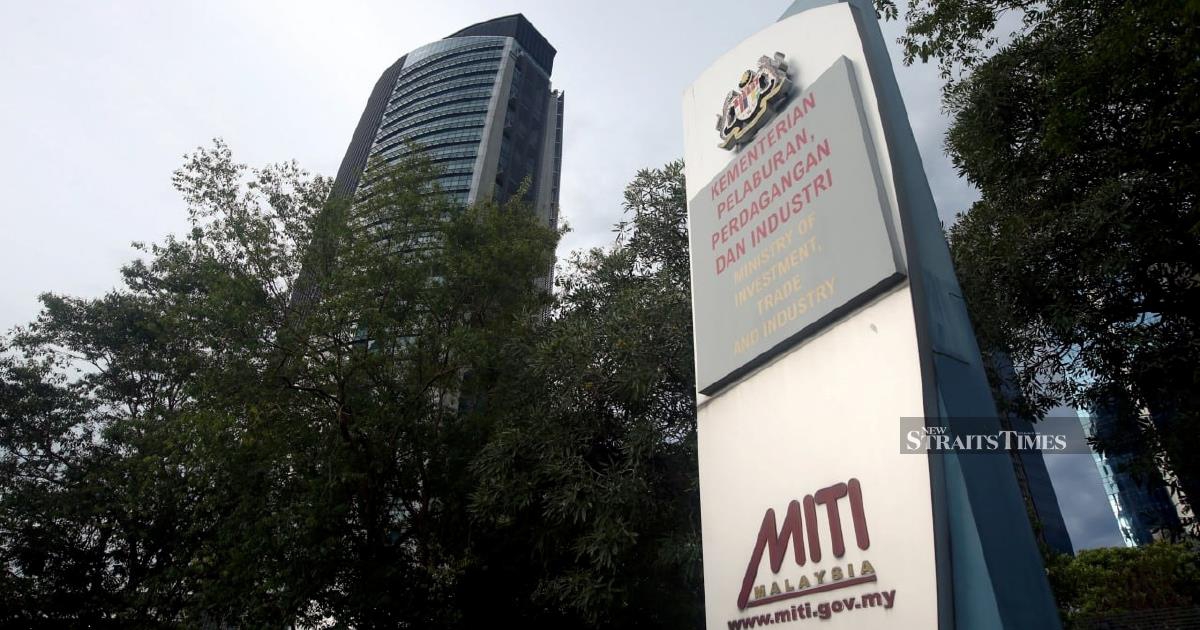
Malaysia's Ministry of International Trade and Industry has commenced formal proceedings to examine whether importers are engaging in unfair trade practices with coated steel products sourced from China, Chinese Taipei, and Vietnam. The concurrent review of existing protective measures on prepainted steel coil shipments from China and Vietnam reflects mounting government concern over pricing practices that may be harming domestic steelmakers and disrupting the regional market.
The dual-track approach signals a deliberate effort by Kuala Lumpur to strengthen its trade defence mechanisms at a time when Southeast Asia faces intensifying competitive pressures from lower-cost producers. By investigating both current imports and reassessing previous remedies, Malaysian authorities are essentially conducting a comprehensive health check on the local steel sector's vulnerability to external market distortions.
Anti-dumping investigations examine whether exporters are selling products at prices below their normal value—typically their domestic price or production cost—thereby gaining unfair competitive advantages. For Malaysia, which hosts a significant downstream steel processing industry serving automotive, appliance, and construction sectors, rising cheap imports can undercut local manufacturing and squeeze margins across multiple value chains.
The inclusion of Chinese Taipei alongside mainland China and Vietnam reflects the geographic concentration of coated steel capacity in East Asia. Chinese manufacturers have dramatically expanded production capacity over the past decade, and Taipei-based producers also maintain substantial output. Vietnam, having emerged as a major manufacturing hub, adds another layer of competitive complexity. The simultaneous sourcing pressure from all three jurisdictions suggests the Malaysian industry has mobilised enough political support to warrant formal investigation.
Prepainted steel coil—also called colour-coated steel—is a critical intermediate product used extensively by appliance manufacturers, roofing specialists, and automotive component makers. Existing duties on shipments from China and Vietnam are now due for expiry review, a standard trade procedure that determines whether protection measures remain economically justified. Rising import volumes or pricing patterns in recent months likely prompted stakeholders to request continuation of safeguards.
This investigation arrives amid broader regional trade tensions and Malaysia's ongoing balancing act between maintaining open markets and protecting domestic industry. The country serves as both an importer of raw materials and an exporter of value-added manufacturing, creating inherent tensions in trade policy. A more robust anti-dumping stance may strengthen local steelmakers but could increase costs for downstream manufacturers competing in global supply chains.
The timing is significant given Southeast Asia's focus on economic regionalisation through initiatives like the ASEAN Trade in Goods Agreement and the Regional Comprehensive Economic Partnership. Malaysia's decision to invoke formal trade defence mechanisms demonstrates that despite commitment to regional integration, governments remain willing to protect industries when evidence suggests unfair trade practices are occurring. This reflects pragmatic policymaking that acknowledges both benefits of integration and risks of unmanaged import surges.
For Malaysian manufacturers dependent on steel inputs, the investigation outcome carries real implications. If duties are raised or new ones imposed, production costs will rise, potentially affecting competitiveness of Malaysian-made products in both domestic and export markets. However, steelmakers have incentive to participate in the investigation process to present evidence supporting their case for protection, creating opportunity for substantive industry input into policy decisions.
The investigation process typically involves submission of evidence by interested parties, examination of pricing data and cost structures, and determination of whether dumping has occurred and caused material injury to domestic industry. Malaysia's formal probe may take several months to complete, during which market uncertainty could influence import patterns and pricing decisions by regional traders.
This development reflects Malaysia's commitment to fair trade principles while acknowledging that open markets require functional enforcement mechanisms to prevent predatory pricing and capacity dumping. The investigation sends clear signals to exporters that Malaysia's regulators are actively monitoring for unfair practices and willing to deploy available trade defence tools when evidence warrants intervention.
Regionally, Malaysia's action may prompt other Southeast Asian governments to review their own coated steel imports, particularly if the investigation produces evidence of widespread dumping. The interconnected nature of regional supply chains means trade defence decisions in one country can influence policy responses across the association, creating potential for either constructive dialogue or escalating trade tensions depending on how both exporters and importing countries handle the proceedings.

