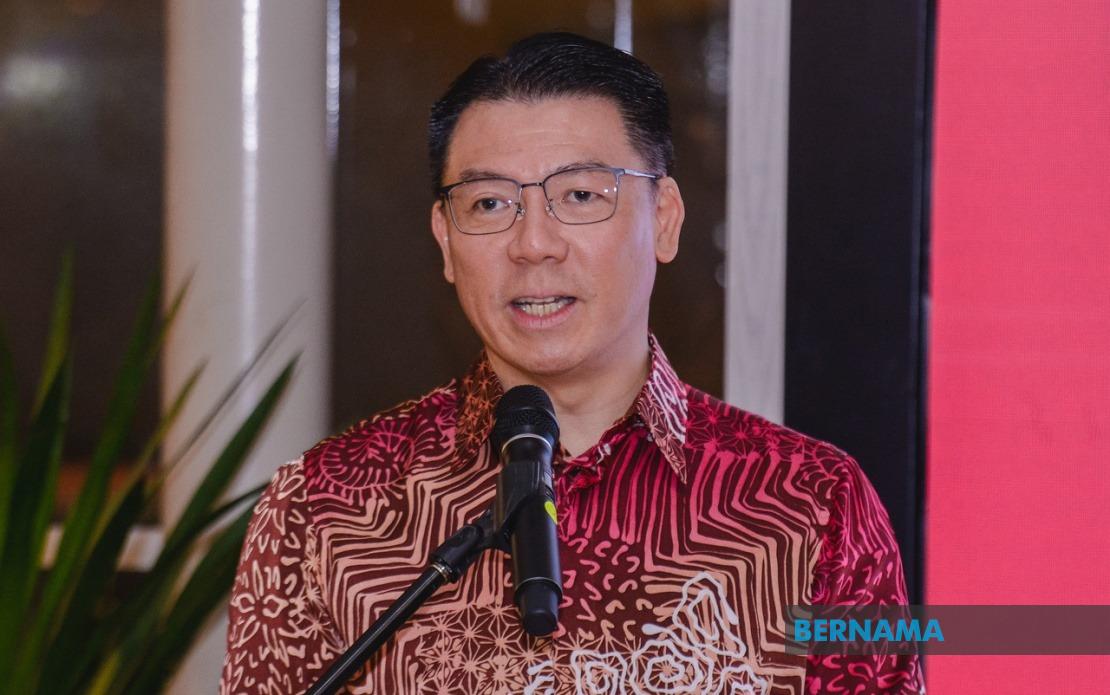
The Malaysian government is rolling out a substantial incentive to support property purchasers, announcing a 10 per cent discount on home acquisitions during the ASEAN Real Estate Conference (AREC) 2026, scheduled for late July at the Malaysia International Trade and Exhibition Centre. Housing and Local Government Minister Nga Kor Ming unveiled the scheme on Tuesday, describing it as part of a collaborative effort with the Real Estate and Housing Developers' Association Malaysia to alleviate the upfront costs that frequently deter first-time buyers and middle-income families from entering the property market.
The initiative directly addresses one of the most significant barriers to homeownership across Malaysia: the compulsory 10 per cent deposit required under the Sale and Purchase Agreement framework. By absorbing this percentage through a government-backed discount, officials believe the measure will meaningfully reduce the capital requirement and democratise access to residential property, particularly for younger Malaysians and those earning moderate incomes. The approach signals a shift in how the government tackles housing affordability, moving beyond conventional policy rhetoric toward tangible financial relief that translates into immediate purchasing power for qualified buyers.
Prime Minister Datuk Seri Anwar Ibrahim will preside over the four-day conference, lending high-level political backing to an event expected to facilitate substantial commercial activity. Organisers project the conference will generate RM1.5 billion in real estate transactions, reflecting the scale of Malaysia's property sector and the potential for such gatherings to catalyse major deals through structured networking and exhibition platforms. The conference agenda encompasses forums, business matching sessions, and a sprawling exhibition designed to connect developers, investors, and buyers in a controlled environment that historically has proven effective in closing transactions.
Beyond the purchasing discount, the government is implementing complementary measures to address the structural cost pressures facing the development industry. The Rahmah Cement initiative represents a direct intervention in the supply chain, allocating 1.6 million metric tonnes of subsidised cement to developers constructing affordable housing units. Rising construction costs have consistently undermined efforts to maintain housing affordability, with material price inflation eroding the competitiveness of new residential projects. By securing cement supplies at controlled pricing, the ministry aims to prevent builders from offsetting their costs through higher property prices, thereby protecting the affordability gains the discount provides.
Nga emphasised that the government's overarching vision extends beyond transactional mechanics to a fundamental philosophy of housing rights. The ministry's tagline, "Rumahku, Syurgaku" (My Home, My Heaven), encapsulates this broader ambition—the belief that quality homeownership should be accessible rather than aspirational, woven into the fabric of ordinary Malaysians' life prospects rather than remaining an elite privilege. This framing positions housing policy within human development and social cohesion rather than purely economic parameters, aligning with international development discourse that recognises stable housing as foundational to individual and community wellbeing.
Malaysia's competitive position in global real estate development garnered significant attention during the announcement, with local developers claiming impressive accolades at the FIABCI World Prix d'Excellence Awards 2026. The nation emerged as the overall champion, securing 14 awards including eight gold medals across diverse categories spanning residential high-rise, low-rise, mixed-use, retail, office, and master-planned developments. Prominent winners included Park Regent at Desa ParkCity, The Mansions at ParkCity Hanoi, Merdeka 118, Elmina Lakeside Mall, Sunway Velocity Two, Gamuda Gardens, and Diamond Precinct in Vietnam, demonstrating that Malaysian developers excel across multiple property typologies and geographies.
The breadth of Malaysia's award success—amassed 135 gold medals globally since 1992—reflects decades of accumulated expertise and sophistication in the industry. This track record positions the nation as a credible competitor against established markets and emerging rivals within Asia-Pacific, a distinction that Nga characterised as essential to maintaining investor confidence and attracting foreign capital to domestic projects. The recognition validates Malaysian development standards against international benchmarks, offering tangible evidence to sceptical investors that local practitioners operate at parity with or exceed global norms for quality, sustainability, and design innovation.
The internationalisation of Malaysian property companies underscores the sector's maturity and export potential. ParkCity Group's expansion into Vietnam, SP Setia's operations in Australia, OSK Property's presence in Melbourne, and EcoWorld's London ventures exemplify how domestic expertise translates into competitive advantage abroad. These forays represent not merely commercial diversification but also cultural and technical exports—Malaysian developers are essentially selling their accumulated knowledge, project management capabilities, and design sensibilities to global markets. For a nation seeking to develop high-value sectors and establish brands with international recognition, this diaspora of property excellence serves as a soft power asset.
The timing of the conference coincides with a broader policy push on housing. Prime Minister Anwar Ibrahim is scheduled to launch the National Housing Policy on July 30, the penultimate day of AREC 2026. This sequencing reflects strategic coordination: the conference provides a showcase for industry achievements and market momentum, while the policy launch establishes the regulatory and strategic framework guiding the sector forward. Together, these initiatives communicate that housing remains a priority portfolio within the government's development agenda, deserving sustained attention and resource commitment.
For Southeast Asian observers and regional investors, AREC 2026 and Malaysia's supporting incentives signal a strategic pivot toward demand-side stimulus in property markets. Rather than relying solely on developer initiatives or market forces, the government is actively engineering demand through financial concessions and supply-chain support. This approach carries implications beyond Malaysia: it demonstrates a willingness to intervene countercyclically in real estate markets when affordability crises threaten social stability and economic inclusion. As regional neighbours grapple with similar housing pressures, Malaysia's dual strategy of buyer incentives and cost controls may offer a blueprint worthy of regional scrutiny and potential adaptation.
The 10 per cent discount initiative also reflects lessons absorbed from previous housing policy experiments across Asia. Many nations have discovered that supply-side interventions alone—building more units—fail if purchasers cannot navigate financial barriers. Malaysia's approach acknowledges that affordability encompasses both price and accessibility, requiring coordinated actions across demand, supply, and financing channels. The success or failure of the AREC 2026 discount scheme will likely inform future policy calibration and may establish precedent for either expanded or moderated intervention in subsequent property cycles.
Broader economic implications merit consideration. The projected RM1.5 billion in transactions would inject substantial liquidity into the property sector, potentially stimulating ancillary industries including construction, finance, legal services, and property management. Increased transaction volumes also generate revenue for government through various levies and taxation, creating fiscal benefits beyond the immediate housing affordability objective. From a macroeconomic perspective, revitalising property demand addresses a sector that has faced cyclical weakness, supporting employment and investment momentum during a period when Malaysia navigates complex global economic currents and currency pressures.
Looking ahead, the success of AREC 2026 and its accompanying discount scheme will substantially influence how Malaysian policymakers calibrate future housing interventions. Should transaction volumes exceed projections and buyer satisfaction prove high, the government may consider extending similar programmes or widening eligibility criteria. Conversely, disappointing outcomes or unforeseen implementation challenges could prompt more cautious approaches in subsequent cycles. Regardless of immediate results, the conference represents a significant moment in Malaysia's property policy evolution—one where government, developers, and buyers converge around a shared commitment to making homeownership less financially daunting and more genuinely accessible to ordinary Malaysians.

