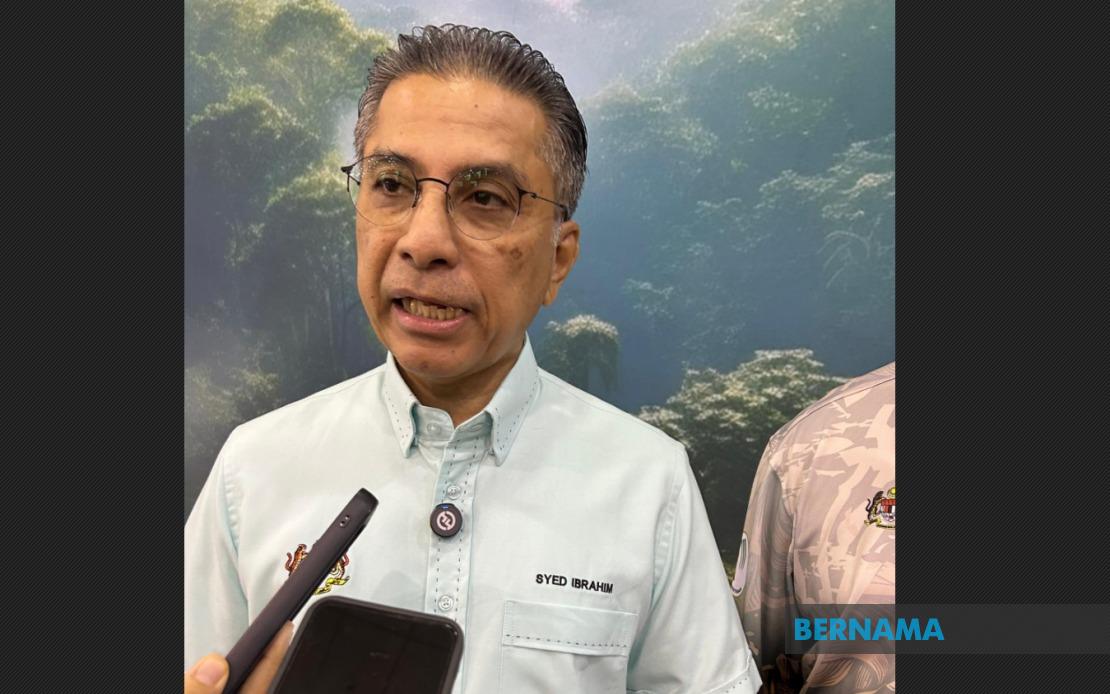
Malaysia's Ministry of Natural Resources and Environmental Sustainability has confirmed it is maintaining close oversight of three Malaysian Asian elephants that arrived at Tennoji Zoo in Osaka, Japan, during March as part of an international wildlife conservation initiative. Deputy Minister Syed Ibrahim Syed Noh outlined the government's approach to safeguarding the animals during their transition, emphasizing that the relocation represents a carefully vetted partnership between two major zoological institutions.
The three elephants—Dara, Amoi, and Kelat—were transferred under the auspices of a 25-year strategic ex-situ conservation cooperation agreement established between Taiping Zoo and Night Safari in Malaysia and Tennoji Zoo. This extended partnership reflects a growing regional trend of coordinating elephant management across borders, particularly as wild populations face habitat pressures and institutions seek to maintain genetically diverse captive populations for long-term species viability.
Before the animals were cleared for departure, the Department of Wildlife and National Parks conducted comprehensive assessments addressing both physical and psychological dimensions of the relocation. These evaluations were specifically designed to verify that the receiving institution met international standards governing animal welfare and zoological management, a requirement that reflects Malaysia's commitment to protecting its natural heritage even when animals are housed overseas.
To facilitate the elephants' adjustment to their new environment, a contingent of seven Malaysian mahouts—trained handlers with specialized knowledge of elephant behavior and care—rotated through Tennoji Zoo for the initial two-month period following the animals' arrival in March. This hands-on support proved crucial during a vulnerable transition window when the elephants were adapting to different climates, dietary regimens, and social structures.
Recognizing that successful long-term adaptation requires sustained attention beyond the initial adjustment phase, Malaysia deployed two additional mahouts to the Osaka facility from June 1 through June 30. This extended monitoring effort reflects an understanding that elephant acclimatization is an ongoing process rather than a discrete event, with continued Malaysian presence helping to bridge the animals' familiarity with Malaysian handling practices and the requirements of their new institutional setting.
The government's approach has been articulated in the context of parliamentary scrutiny, where lawmakers have pressed officials to clarify monitoring mechanisms and contingencies. Deputy Minister Syed Ibrahim's statements before the Dewan Rakyat affirm that Malaysia views this partnership as subject to rigorous oversight, with Perhilitan maintaining records and engagement protocols that extend beyond the initial relocation phase.
Public and nongovernmental organization calls for the elephants' repatriation have raised questions about the wisdom of the arrangement, though the government has characterized any future decisions as dependent on official negotiations conducted within the framework of the master agreement between the two zoological authorities. This stance reflects the tension between domestic conservation concerns and international diplomatic commitments that increasingly shape wildlife policy in Southeast Asia.
Regarding proposals for independent observers or NGO representatives to visit Tennoji Zoo and assess conditions directly, the Ministry indicated willingness to facilitate such arrangements provided both institutions reach mutual agreement. This conditional openness suggests recognition that transparency and verification mechanisms could help address public concerns while remaining consistent with contractual obligations.
The government has also confronted historical questions surrounding elephant exports, clarifying that official Perhilitan records document only 10 elephants sent abroad since 1977, despite informal claims circulating regarding a larger figure of 19 animals. This distinction between official documentation and unofficial narratives underscores the importance of institutional record-keeping in wildlife management and the potential for gaps between public perception and verified data.
The Tennoji Zoo arrangement holds broader significance for Southeast Asian wildlife cooperation, illustrating how regional institutions are increasingly engaged in transnational conservation frameworks. Japan's Tennoji Zoo has become a key partner for several Southeast Asian countries seeking to establish insurance populations and research collaborations, reflecting a shift toward multilateral approaches to species preservation.
For Malaysia specifically, the arrangement demonstrates the government's confidence that international partnerships can serve conservation goals, though the deployment of Malaysian mahouts and ongoing monitoring reflects awareness that such arrangements require active stewardship to protect animal welfare. The model of rotational staff presence may set a precedent for future international elephant transfers within the region, establishing expectations that source countries will maintain engagement with receiving institutions.
The episode also highlights evolving public expectations regarding transparency in wildlife decisions. NGO engagement and parliamentary questions indicate that Malaysian citizens increasingly view elephant welfare as a matter of legitimate public concern, even when animals are transferred abroad under government-to-government agreements. This growing scrutiny may influence how future conservation partnerships are negotiated and communicated within Southeast Asian nations.
Looking forward, the success of this arrangement could shape regional attitudes toward similar international conservation initiatives. If the three elephants thrive under joint Malaysian and Japanese care, it may encourage expanded cooperation. Conversely, any challenges in their adaptation could trigger reconsideration of how such partnerships are structured and monitored, particularly regarding the balance between institutional autonomy and source-country oversight.

