Prime Minister Datuk Seri Anwar Ibrahim has signalled the government's heightened concern following devastating flash floods that swept through Nepal's Rasuwa district, announcing that 54 Malaysian nationals remain uncontactable in the aftermath. The Prime Minister's statement underscores the seriousness with which Kuala Lumpur is treating the humanitarian crisis unfolding in the mountainous region bordering Tibet, with the government committing substantial resources to trace and account for the missing citizens.
The Malaysian Embassy in Kathmandu has assumed primary responsibility for coordinating rescue and information-gathering operations on the ground, working in conjunction with Nepalese authorities and other relevant agencies. In a demonstration of the government's determination to extend its reach across challenging terrain and communication disruptions, officials from the Malaysian High Commission in Dhaka, Bangladesh, have been deployed to reinforce coordination efforts and provide additional support to the overall mission. This multi-embassy approach reflects the scale of the logistical challenge posed by the disaster's location and the communication blackout affecting the affected zone.
According to Anwar Ibrahim's public statement through social media, the Foreign Ministry first alerted him to the gravity of the situation regarding uncontactable nationals. The Prime Minister characterised his response as one of deep concern, indicating that locating the missing Malaysians and ascertaining their welfare had become an urgent priority for the MADANI Government. He pledged that the administration would maintain close observation of developments as they unfold and mobilise the full extent of necessary resources to safeguard the security and wellbeing of any Malaysians affected by the disaster.
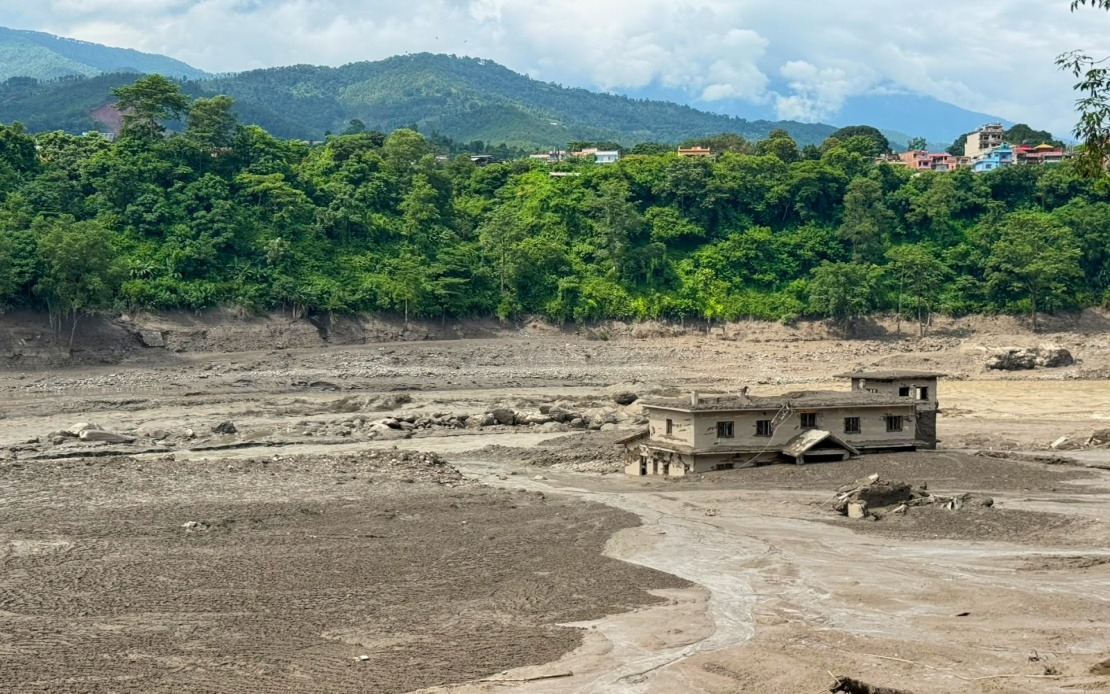
The calamity that struck Rasuwa district originated from a combination of meteorological and geological factors. Heavy rainfall cascading through the mountainous terrain triggered a cascade of glacier landslides along the Bhote Koshi River, generating the flash floods that devastated the Nepal-Tibet border region. The intensity and sudden nature of the flooding overwhelmed local infrastructure, causing widespread destruction and displacement throughout the affected communities.
The disaster's consequences extended beyond immediate physical damage. The torrential waters and debris flows severed communication infrastructure serving the region, rendering conventional telecommunication channels inoperative. Simultaneously, the catastrophe damaged and in some instances destroyed the primary transportation corridor connecting the affected area to Kathmandu, the national capital. This combination of communication failure and transport disruption has compounded the humanitarian challenge, making it exceptionally difficult to establish contact with individuals in the zone, assess casualty tolls accurately, and coordinate the movement of rescue personnel and emergency supplies into the area.
For Malaysian authorities, these infrastructural collapses have transformed a complicated search operation into one requiring sophisticated diplomacy and creative problem-solving. The inability to rely on conventional communication channels to verify the status of the missing 54 nationals has necessitated ground-based investigation and personal verification efforts. Officers deployed to the region must navigate treacherous terrain, restricted access points, and logistical constraints while attempting to compile information about Malaysian citizens who may be dispersed across multiple locations or sheltering in temporary facilities.
The significance of this incident for Malaysia extends beyond the immediate concern for the unaccounted nationals. It underscores the vulnerabilities that Malaysian tourists and citizens encounter when travelling to geologically volatile regions, particularly during seasons when heavy precipitation and unstable conditions prevail. Many Malaysians are attracted to Nepal's mountainous landscapes for trekking, tourism, and spiritual pursuits, necessitating robust consular capacity to respond to emergencies in challenging environments. This flood disaster serves as a reminder of the risks inherent in high-altitude tourism in the Himalayan region.
Anwar Ibrahim's invocation of prayer and faith in his public statement reflects the cultural and religious dimensions through which Malaysians often process collective crises. His call for national prayer and his expression of hope for a safe outcome carry symbolic weight beyond their literal meaning, signalling governmental solidarity with families of the missing and encouraging public awareness of the unfolding situation. The appeal for divine intervention also acknowledges the limitations of human effort in circumstances where natural forces have disrupted normal operational parameters.
The deployment of resources from Bangladesh adds a regional dimension to Malaysia's response framework. By activating the High Commission in Dhaka, Malaysia demonstrates recognition that effective crisis management in South Asia sometimes requires leveraging diplomatic infrastructure across multiple countries. Bangladesh, sharing similar geographical and climatic conditions with parts of Malaysia, possesses expertise in managing flood-related emergencies that could prove valuable in supporting the main rescue coordination occurring through the Kathmandu Embassy. This inter-embassy cooperation reflects evolving best practices in consular crisis management across Southeast and South Asia.
The coming days will prove critical in determining outcomes for the missing Malaysians. As Nepal's authorities and international partners assess the full scale of the disaster, and as communication infrastructure gradually is restored, clarity should emerge regarding the status of uncontactable nationals. The government's proactive stance in deploying diplomatic resources and maintaining high-level attention to the matter positions Malaysia to respond swiftly once additional information becomes available. For Malaysian families awaiting news, the government's visible commitment to active searching provides reassurance during an agonising period of uncertainty.

