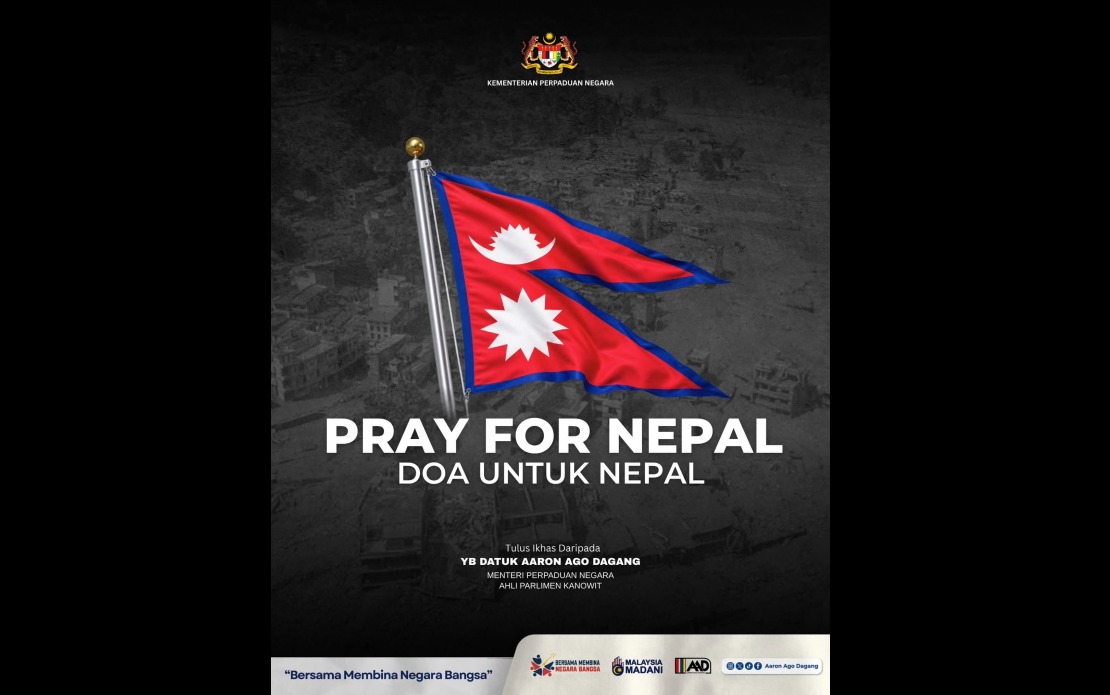
Malaysia's government has swung into action following a devastating flood that struck Nepal's Rasuwa district, with authorities scrambling to locate and assist 57 Malaysian citizens reported missing in the aftermath of the disaster. The calamity has prompted senior officials to issue appeals for prayers and solidarity with the affected Nepali population, while simultaneously launching a coordinated rescue and welfare operation to trace stranded Malaysians.
Datak Aaron Ago Dagang, who oversees national unity affairs, took to social media to express his condolences, calling on Malaysians to offer prayers for those impacted by the catastrophe. His statement reflected the gravity with which Putrajaya is treating the situation, moving beyond routine diplomatic pleasantries to emphasise the human dimension of the disaster. Aaron emphasised hopes that relief and recovery operations would proceed without obstacles, underscoring Malaysia's commitment to supporting Nepal during the crisis.
The minister's particular concern extended to the welfare of Malaysian nationals caught in the flooding zone. He underlined the importance of ensuring their safety and enabling them to reconnect with loved ones back home and coordinate with Malaysian authorities. This dual focus—showing solidarity with Nepal whilst prioritising citizen protection—reflects standard government protocol during international emergencies affecting Malaysian communities abroad.
The scale of the unaccounted Malaysians became clear when the Foreign Ministry disclosed that 57 nationals had not been contacted as of 11 pm on August 27. These figures were compiled from reports submitted by family members, friends, and employers who had become anxious about their inability to reach loved ones or colleagues stranded in the affected region. The data collection highlighted how rapidly information spreads through personal networks when a disaster strikes, often outpacing official government channels.
Prime Minister Datuk Seri Anwar Ibrahim responded decisively, directing all relevant governmental machinery to prioritise the identification and contact mission. The instructions encompassed multiple agencies, notably the National Security Council, which typically coordinates inter-agency responses to overseas emergencies, and the Ministry of Foreign Affairs, which maintains direct diplomatic channels with Nepal and can liaise with local authorities. This comprehensive approach reflects Malaysia's established disaster management protocols for nationals abroad.
The Rasuwa district, situated in Nepal's mountainous terrain north of Kathmandu, is known to attract Malaysian tourists and trekkers seeking adventure in the Himalayan foothills. Some affected Malaysians may have been visiting for leisure, whilst others could have been engaged in longer-term stays or business activities. The diverse circumstances of their presence underscores the complexity of tracking down all individuals affected by such events in geographically challenging regions with disrupted communications infrastructure.
Nepal's flooding disaster comes at a time when regional weather patterns across South Asia have been intensifying due to monsoon activity. The country's mountainous topography renders it particularly vulnerable to flash floods and landslides when heavy rainfall occurs, and rescue operations in such terrain present significant logistical challenges. Malaysia's experience with its own monsoon-related flooding has sensitised policymakers to the devastating potential of such natural disasters and the urgency required in response.
The coordination between Malaysian diplomatic missions in Kathmandu and government agencies in Kuala Lumpur will prove crucial in the coming days. Embassy staff, typically supported by consular officers trained in emergency response, would be working to verify the status of registered Malaysians and cross-reference names against those reported missing. This verification process, though tedious, helps prevent misinformation and focuses resources on those genuinely at risk.
For Malaysian families with relatives in Nepal, the uncertainty during the initial hours and days following such disasters can be agonising. Official appeals for patience and cooperation with authorities are standard, though anxious relatives often bypass formal channels to seek information directly. The government's public acknowledgment of the situation and commitment to resolution serves to manage expectations whilst demonstrating proactive engagement with the crisis.
The incident underscores broader questions about Malaysian nationals' safety when travelling or working in countries prone to natural disasters. Whilst overseas adventure and employment opportunities remain attractive, such events remind travellers and their families of the importance of maintaining regular contact and registering with Malaysian missions abroad. The government's rapid mobilisation in this instance illustrates the institutional capacity to respond effectively, though prevention through better pre-incident planning and awareness remains equally vital.
As investigations into the flood's full impact continue and communications infrastructure in affected regions gradually stabilises, the number of uncontactable Malaysians is expected to decrease. Each successful contact between distressed nationals and Malaysian authorities represents both relief and a step towards comprehensive damage assessment. The coming days will determine the full extent of casualties and property damage, whilst also testing Malaysia's ability to support its citizens during international crises.

