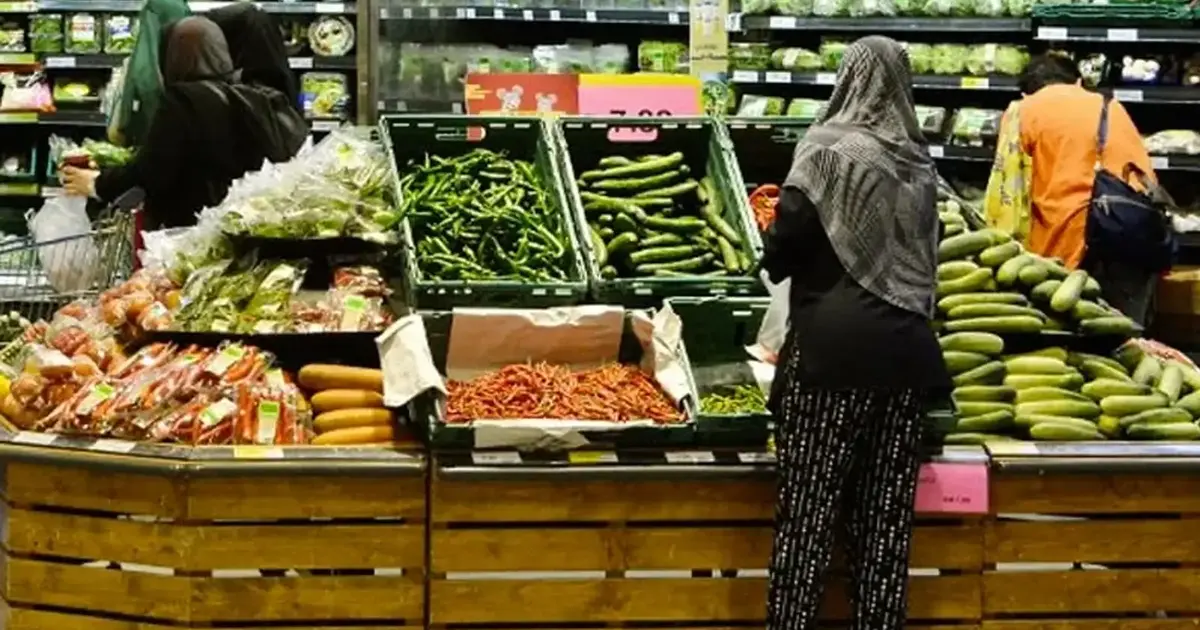
Deputy Prime Minister Ahmad Zahid Hamidi has mooted an expansion of the SARA aid scheme to encompass vegetables and fruits, potentially broadening the government's support for households grappling with inflation pressures. The proposal represents a significant recalibration of the targeted subsidy mechanism that has underpinned Malaysia's cost-of-living interventions in recent years.
The initiative will undergo formal examination by the National Action Council on Cost of Living, the policy-coordinating body tasked with evaluating and implementing household affordability measures. This submission signals serious consideration within the highest levels of government for widening the programme's reach beyond its established parameters, suggesting that policymakers perceive persistent market pressures warranting expanded intervention.
The SARA scheme, which has operated as a cornerstone of Malaysia's targeted assistance framework, currently focuses on staple commodities deemed essential for household food security. By contemplating inclusion of fresh produce categories, the government would be responding to documented patterns of vegetable and fruit price volatility that have constrained household purchasing power, particularly among lower and middle-income demographics most sensitive to market fluctuations.
Fresh produce represents a critical nutritional component of Malaysian diets yet has experienced repeated price surges driven by seasonal supply constraints, weather disruptions, and distribution chain inefficiencies. Integration of vegetables and fruits into the SARA framework would acknowledge these structural vulnerabilities while attempting to protect dietary diversity alongside affordability for vulnerable consumer segments.
The proposal's timing reflects broader ministerial engagement with cost pressures that have animated policy discourse throughout 2023 and 2024. Successive governments have prioritised subsidy mechanisms as politically palatable responses to inflation, avoiding more complex structural reforms while delivering immediate relief to households confronting genuine purchasing power erosion.
Expanding SARA would require careful calibration of subsidy parameters and distribution logistics. Unlike flour, cooking oil, and other current eligible commodities that concentrate production within manageable supplier networks, vegetables and fruits involve numerous producers with geographically dispersed cultivation across peninsular and east Malaysian zones. Implementation would necessitate coordination across supply chains characterised by significant retailer fragmentation and informal market presence.
The economic implications merit scrutiny beyond immediate voter sentiment. Expanded subsidisation, while addressing symptomatic price pressures, defers underlying productivity challenges within Malaysian agriculture. Vegetable cultivation remains constrained by land availability, ageing farmer demographics, and insufficient mechanisation compared with regional competitors. Subsidy-dependent demand management risks perpetuating supply-side deficiencies that generate price volatility requiring ever-wider safety nets.
Regional context heightens policy considerations. Thailand and Vietnam have developed agricultural export capabilities substantially outpacing Malaysia's domestic production, creating competitive pressures within Southeast Asian markets. Strategic subsidy expansion must account for medium-term agricultural transformation requirements rather than concentrating exclusively on short-term consumer relief.
The proposal also intersects with Malaysia's fiscal position. Government subsidies have constituted expanding budget outlays, constraining fiscal flexibility for infrastructure investment, human capital development, and debt servicing. Parliamentary scrutiny will likely emphasise sustainability questions regarding expanded subsidy commitments amid moderate economic growth expectations.
Implementation mechanics would determine scheme effectiveness. Targeted subsidies operating through point-of-sale mechanisms at registered retailers offer superior administrative efficiency compared with blanket price controls. The government's experience extending SARA to additional commodities previously suggests preference for managed subsidy distribution rather than market-distorting price caps, though retail participation incentives require careful design.
Social dimensions warrant consideration alongside economic factors. Malaysian households, particularly in lower-income brackets, allocate substantial income portions to food security encompassing both staples and nutritious supplementary items. Subsidy expansion addressing fresh produce reflects implicit recognition that adequate nutrition requires more than carbohydrate-dense staples, aligning policy with nutritional adequacy standards increasingly emphasised within public health frameworks.
The political economy underlying SARA expansion reveals government prioritisation of demonstrable cost-of-living relief preceding general elections anticipated within Malaysia's electoral calendar. Expanded commodity coverage generates tangible household benefits that candidates can communicate directly to constituencies, translating into measurable purchasing power protection that constitutes attractive political messaging regardless of longer-term fiscal implications.
Successful expansion ultimately hinges on whether the National Action Council prioritises immediate affordability relief or recommends resource allocation toward agricultural productivity enhancement. That distinction will substantially shape whether SARA expansion constitutes transitional support enabling household financial adjustment during broader supply-side improvements, or represents permanent subsidy architecture requiring escalating fiscal commitment to sustain.

