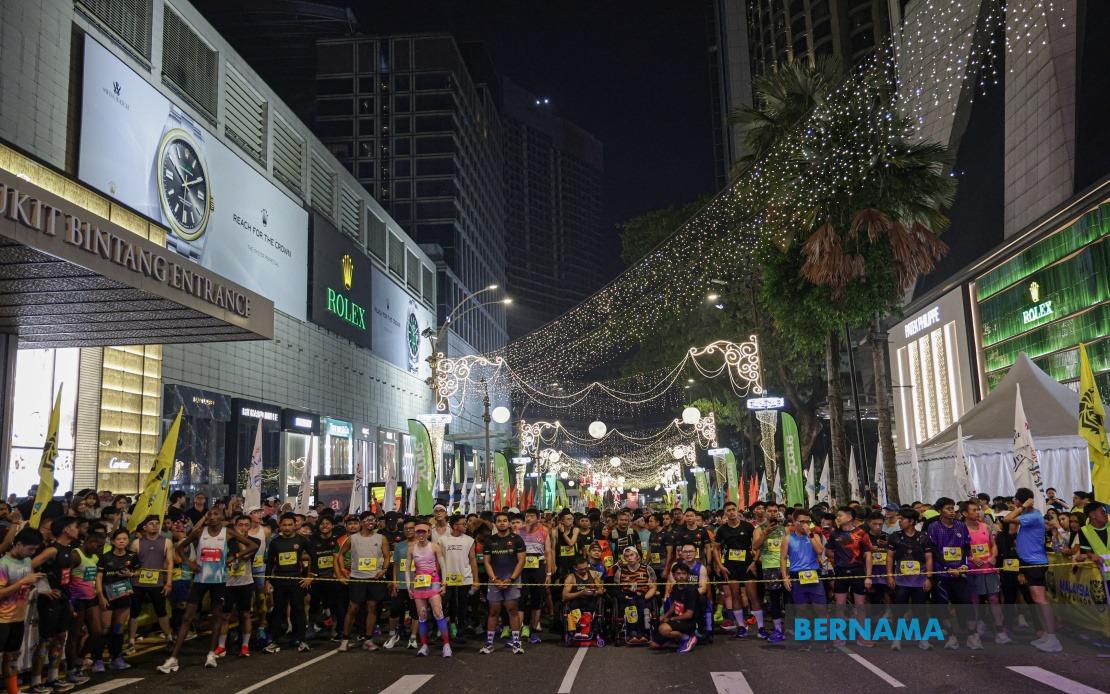
Kuala Lumpur's streets filled with the thunder of thousands of running shoes shortly after midnight on August 30 as the Malaysia Marathon 2026 commenced its inaugural edition with an ambitious gathering of 25,000 athletes from across Malaysia and beyond. The full-length 42-kilometre marathon category set off first at 12:30 am with 2,000 elite and amateur competitors, opening what officials described as a novel approach to marking the 69th National Day celebration. The flag-off ceremony, held in the environs of Pavilion Kuala Lumpur, was presided over by Minister of Tourism, Arts and Culture Datuk Seri Tiong King Sing, underscoring the event's positioning as a significant national occasion.
The staggered commencement schedule continued throughout the early morning hours, with the 21-kilometre half-marathon drawing 8,000 participants at 2:00 am. This middle-distance category represented the largest segment of the marathon's various divisions, reflecting the growing appetite among Malaysian recreational runners for events that fall between casual participation and full competitive marathoning. The early morning timing, while unconventional, created a unique atmosphere that organisers believed would enhance the connection between the sporting spectacle and national pride.
The 10-kilometre and 5-kilometre categories commenced later, with the 10km race attracting 5,000 runners at 3:30 am and the 5km Fun Run engaging 10,000 participants at 7:30 am. This tiered structure allowed the organisers to accommodate runners of varying fitness levels and competitive ambitions, from serious athletes to families and community members seeking a more accessible participation option. The extended timing meant that the marathon essentially unfolded as a continuous stream of athletic activity stretching across several hours, creating multiple peaks of energy and spectator engagement throughout the early morning.
What distinguishes Malaysia Marathon 2026 from previous editions and similar international events is its deliberate incorporation of technological innovation and infrastructure adaptation. The decision to route all categories toward the Kuala Lumpur City Centre (KLCC) precinct as the finishing point represented a departure from the traditional conclusion at Dataran Merdeka, signalling a strategic shift in how the city's geography serves sporting endeavours. More notably, the 10-kilometre race featured the participation of an HONOR-manufactured humanoid robot competing among runners from nations including Japan and Nigeria, injecting a contemporary element that bridges sport, technology, and international cooperation into the traditional marathon experience.
The full marathon route presented substantial physical demands beyond the standard distance, incorporating a gruelling 900-metre elevation gain as participants traversed the Ampang-Kuala Lumpur Elevated Highway (AKLEH). This demanding terrain ensured that finishers would have tested not merely endurance but genuine mountaineering capability, potentially attracting a more experienced demographic of ultra-distance runners and contributing to the event's credibility as a serious sporting undertaking rather than merely a recreational occasion.
The logistical coordination required to accommodate such a massive participation figure necessitated extensive traffic management by Kuala Lumpur Police. Phased road closures and diversions commenced on the evening of August 29 and persisted through the afternoon of August 30, affecting major arterials including Jalan Bukit Bintang, Jalan Ampang, Jalan Sultan Ismail, and Jalan Raja Chulan, alongside the AKLEH and SUKE highway corridors. For commuters and businesses in central Kuala Lumpur, the disruption represented a tangible cost of hosting such a large-scale event, though authorities presumed the disruption justified by the promotional value and community engagement generated.
World Athletics, the international governing body for track and field sports, granted formal recognition to Malaysia Marathon 2026, lending it credibility within global sporting hierarchies. This accreditation signified that the event met established standards for course measurement, safety protocols, and competitive fairness, potentially opening pathways for elite international participation in future iterations and positioning Malaysia as a destination for serious marathon competitors seeking World Athletics-recognised courses.
The event's timing as an accompaniment to National Day celebrations carried symbolic weight that extended beyond mere scheduling convenience. By interweaving sporting achievement with patriotic observance, organisers sought to cultivate a form of national identity grounded in collective physical exertion and community participation. For Malaysian runners, the marathon represented an opportunity to celebrate capabilities and perseverance on a nationally significant date, potentially strengthening emotional attachments to both the sporting pursuit and the nation itself.
The international dimension of Malaysia Marathon 2026, evidenced by participants from Japan, Nigeria, and other nations, positioned the event as a vehicle for sporting diplomacy and soft power projection. By hosting thousands of foreign athletes and exposing them to Malaysian urban infrastructure, hospitality, and cultural context, the marathon functioned as an informal ambassador programme, creating personal connections and positive impressions that extended beyond the sporting sphere.
Looking forward, the success of this inaugural edition establishes a template for future years and signals Malaysia's commitment to developing large-scale sporting events that serve multiple functions simultaneously: athletic competition, community engagement, national celebration, and international positioning. The integration of technological elements like the humanoid robot competitor suggests an openness to innovation in how sporting traditions evolve in an increasingly digital age. For regional observers, Malaysia Marathon 2026 demonstrates that Southeast Asian nations can execute world-class sporting events that rival the scale and sophistication of established international marathons, potentially encouraging other regional governments to develop comparable initiatives.
The practical challenges of managing 25,000 athletes across a major metropolitan area, coordinating with international participants, and ensuring safety and satisfaction across such diverse populations reveal both the capabilities and strain points of Malaysia's event management infrastructure. Future iterations will likely refine logistics based on this year's experiences, potentially positioning Malaysia Marathon as a recurring highlight in the regional and global running calendar. The event's success depends not only on participant satisfaction and successful execution but also on whether the association with National Day celebrations translates into sustained public enthusiasm and continued growth in participation figures in subsequent years.

