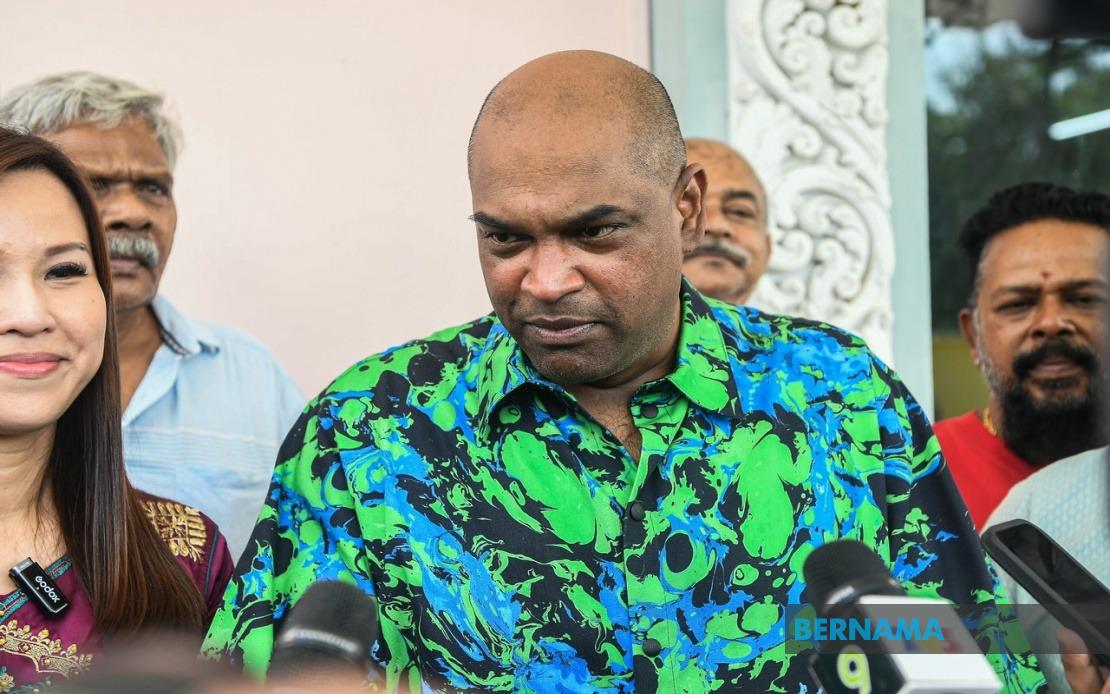
The Malaysian government has fundamentally restructured its approach to the LINDUNG 24 Jam non-employment injury scheme, making a significant policy reversal that reflects shifting priorities regarding worker welfare and government flexibility. Human Resource Minister Datuk Seri Ramanan Ramakrishnan announced that Malaysian citizens may now opt out of the Social Security Organisation (PERKESO) scheme without penalty, marking an immediate departure from the earlier compulsory model that had drawn considerable public criticism since its introduction.
The decision represents a nuanced middle-ground response to sustained pushback from workers and employers who viewed the mandatory contribution system as an additional financial burden. By transforming the scheme into a voluntary framework for locals, the government has acknowledged that a one-size-fits-all approach to social security may not serve all segments of the workforce equally. Workers can now assess their own circumstances and decide whether the coverage justifies the expense, placing responsibility for participation squarely on individual choice rather than state mandate.
Foreign workers, however, remain subject to compulsory contributions under existing legal mechanisms. This distinction underscores the government's commitment to maintaining protective structures for migrant labourers while granting greater autonomy to citizens. The dual approach suggests policymakers view mandatory coverage for foreign workers as essential given potential language barriers, limited familiarity with Malaysian systems, and the transient nature of employment contracts. Foreign workers often lack alternative safety nets and may face obstacles accessing informal insurance or savings mechanisms in their home countries, making statutory protection particularly important.
The LINDUNG 24 Jam scheme itself addresses a critical gap in Malaysia's social security landscape by covering accidents and injuries that occur outside formal employment—during commutes, personal errands, or routine daily activities. Traditional employment insurance typically excludes such incidents, leaving workers vulnerable during substantial portions of their lives. The scheme was designed to bridge this protection gap, recognising that accidents do not respect workplace boundaries and that comprehensive security requires coverage across all environments.
According to Ramanan, the Cabinet's decision followed careful evaluation of public submissions regarding the scheme's implementation and impact. The government has committed to a comprehensive review of the entire programme by year-end, examining operational mechanics, policy effectiveness, and long-term financial sustainability. This review process indicates that the voluntary transition represents not final settlement but rather a transitional phase requiring rigorous evaluation to determine the scheme's ultimate direction. Officials acknowledge that fundamental questions about funding stability, participation rates, and benefit adequacy demand systematic analysis before any permanent structural modifications.
PERKESO will shortly release detailed guidelines outlining how Malaysian workers can voluntarily participate in the scheme, including registration procedures, contribution rates, and coverage terms. This procedural clarity is essential because voluntary systems depend entirely on informed decision-making. Workers require transparent information about costs, benefits, coverage periods, and claim processes to make rational choices about participation. The organisation's awareness campaigns will need to counterbalance the initial perception of burden that prompted policy reversal with compelling evidence of the scheme's value and accessibility.
The minister stressed that despite the shift toward voluntarism, LINDUNG 24 Jam remains strategically important to Malaysia's social security architecture. Accidents occurring outside workplace contexts represent a significant but often overlooked risk factor affecting worker productivity, family stability, and broader economic resilience. When workers face uninsured injuries during non-employment hours, the consequences ripple through households and communities. PERKESO's continued emphasis on scheme benefits and social security literacy reflects understanding that voluntary participation requires sustained education and trust-building.
For Malaysian employers and employees, the policy adjustment carries practical implications. Businesses no longer face blanket contribution obligations for local staff, potentially reducing payroll costs and administrative complexity. Individual workers gain flexibility to allocate resources according to personal risk assessment and financial capacity. However, widespread opt-out participation could undermine the scheme's viability if contribution bases shrink significantly, potentially forcing premium increases for remaining participants and threatening long-term sustainability.
The government has indicated that any legislative amendments emerging from the year-end review would proceed through Parliament, ensuring democratic scrutiny and public input. This parliamentary pathway demonstrates commitment to deliberative policymaking despite the scheme's operational urgency. Proposed amendments to the Employees' Social Security Act 1969 would represent substantive evolution of Malaysia's foundational worker protection legislation, justifying formal legislative process rather than administrative adjustment alone.
Regionally, Malaysia's recalibration of worker protection schemes reflects broader Southeast Asian tensions between state paternalism and individual autonomy in social security. Countries across the region struggle to balance comprehensive worker coverage with fiscal constraints and acceptance of mandatory contributions. Malaysia's two-tiered approach—maintaining mandatory protection for vulnerable migrant workers while permitting local worker choice—represents a pragmatic response to these competing pressures, though its long-term effectiveness depends critically on achieving sufficient voluntary participation to sustain the scheme's financial foundation and protective function.

