The Malaysian government has unveiled its theme for the 2026 National Day and Malaysia Day festivities, signalling a renewed policy emphasis on inclusive economic advancement. Launched in Ipoh on July 19, the overarching message—'Malaysia MADANI: Kesejahteraan Dinikmati'—encapsulates the administration's broader ideological framework around shared prosperity, a concept that has become central to how Kuala Lumpur articulates its development vision both domestically and internationally.
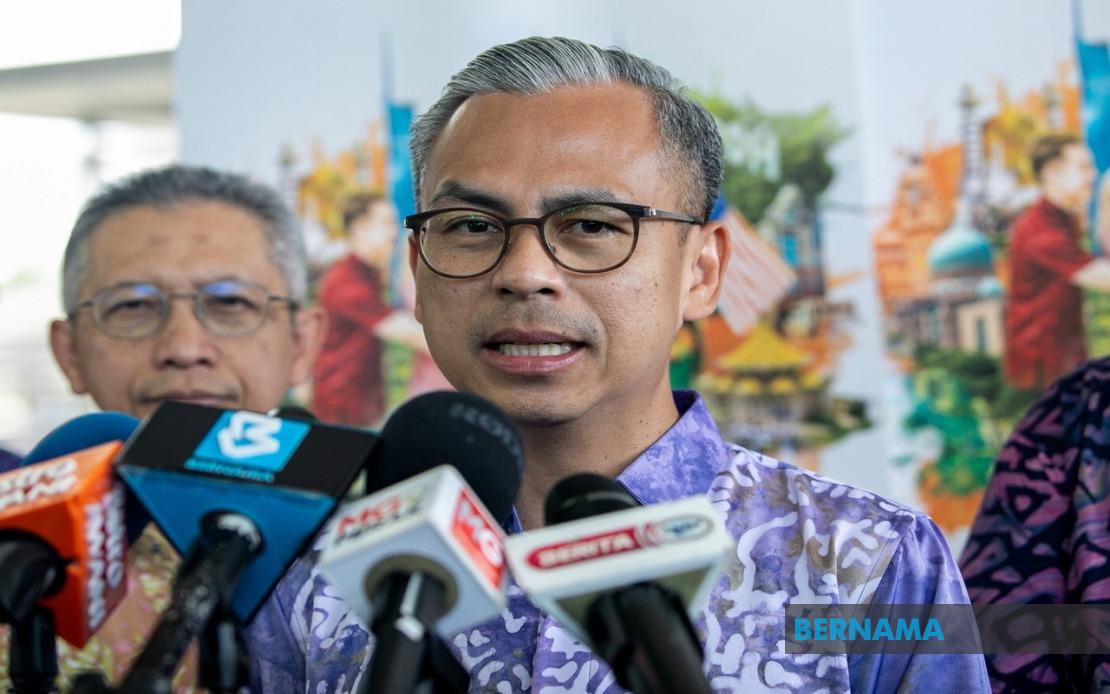
Communications Minister Datuk Seri Fahmi Fadzil articulated the government's interpretation of this prosperity model during the official unveiling at the Sultan Azlan Shah Ministry of Health Training Institute in Tanjung Rambutan. According to Fahmi, the MADANI government's approach to prosperity transcends conventional measures of economic output. Instead, it embraces a multidimensional vision that incorporates enhancements to living standards, expansion of opportunity across societal strata, and deliberate mechanisms to distribute development gains in a manner that benefits the entire population rather than concentrating wealth among privileged cohorts.
The emphasis on inclusivity carries particular significance in the Malaysian context, where questions of equity across ethnic, religious and geographic lines remain politically and socially salient. Fahmi's articulation that the government remains committed to ensuring "no one is left behind in the nation's development, regardless of race, religion, region or background" reflects an acknowledgement that development narratives must address longstanding anxieties about uneven prosperity distribution. For Malaysian policymakers, framing national celebration themes around inclusive growth serves both as aspirational messaging and as a mechanism to demonstrate responsiveness to citizen concerns about equitable development.
Prime Minister Datuk Seri Anwar Ibrahim's officiating of the launch ceremony underscored the administrative priority placed on this particular framing. His presence, alongside National Unity Minister Datuk Aaron Ago Dagang and Perak Menteri Besar Datuk Seri Saarani Mohamad, suggested coordinated messaging across multiple government portfolios around the shared prosperity agenda. The convergence of communications, unity, health and state-level leadership at the event indicates that the theme reflects a consolidated government position rather than an isolated ministerial initiative.
Fahmi further contextualised the shared prosperity framework within Malaysia's multicultural landscape, characterising the nation's diversity as a foundational asset rather than an obstacle to unity. This framing injects historical consciousness into contemporary policy discourse, suggesting that Malaysia's capacity for harmony and mutual respect stems from its plural composition. The implication—that unity and prosperity are mutually reinforcing rather than in tension—represents an attempt to reorient public understanding of development away from zero-sum framings where advancement for one community might be perceived as disadvantageous to another.
The ministerial rhetoric surrounding the 2026 celebrations also emphasises collective responsibility for preserving this historical legacy. By positioning all Malaysians as custodians of national unity and prosperity, the government articulates a shared stewardship model that extends beyond state institutions alone. This invocation of citizen agency reflects a deliberate rhetorical strategy to mobilise public participation in actualising the stated vision, converting abstract policy commitments into tangible community engagement.
Complementing the thematic announcement, the government has programmed several initiatives to operationalise the shared prosperity message. The 'One House, One Jalur Gemilang' campaign encourages household-level displays of the national flag, while the Kembara Merdeka Jalur Gemilang convoy programme creates itinerant platforms for celebrating national identity across geographic boundaries. These grassroots-oriented activities aim to translate the prosperity theme from ministerial discourse into everyday citizen experience, embedding the concept within the texture of national commemoration.
For Malaysian citizens and regional observers, the 2026 National Day framing merits examination as an indicator of governmental priorities during a period of significant economic and political transition. The emphasis on shared prosperity follows earlier periods characterised by partisan contentions over development distribution and resource allocation. By anchoring the national celebration around this inclusive prosperity concept, the administration signals continuity with campaign commitments made during the last general election, when inclusive growth narratives featured prominently in electoral messaging.
The selection of this particular theme also reflects calculations about international perception management. As Malaysia navigates regional economic competition and seeks foreign investment, demonstrating commitment to stable, inclusive development carries diplomatic implications. Prosperous, harmonious societies with equitable distribution of wealth typically attract international confidence more readily than those perceived as fractious or unevenly developed. By highlighting shared prosperity during a major national commemoration, Malaysia's leadership reinforces narratives about the country's stability and governance competence to international audiences.
Information resources for the public, including updates on celebration activities, will be disseminated through the Merdeka 360 portal and the Information Department's digital platforms. This reliance on digital channels for public engagement reflects contemporary governance practices while also indicating efforts to ensure broad accessibility to information about national celebrations. The multi-platform approach acknowledges diverse media consumption habits across Malaysian demographics.
Looking forward, the substantive challenge facing policymakers involves translating thematic commitment into measurable policy outcomes. While celebratory messaging around shared prosperity carries symbolic importance, citizen assessments of government performance will ultimately rest upon tangible improvements in living standards, employment prospects and economic mobility. The 2026 National Day theme establishes a clear metric against which the government's record will be evaluated, making the prosperity promise both rhetorical flourish and implicit performance contract.
The announcement further situates Malaysia within broader Southeast Asian conversations about inclusive development. Regional economies increasingly confront questions about whether rapid growth benefits all citizens equitably. By elevating shared prosperity to the level of national celebration theme, Malaysia joins regional peers in emphasising development models that ostensibly prioritise both growth and distribution. Whether this rhetorical commitment translates into differentiated policy implementation across Malaysian states and communities will constitute an important test of governmental sincerity.

