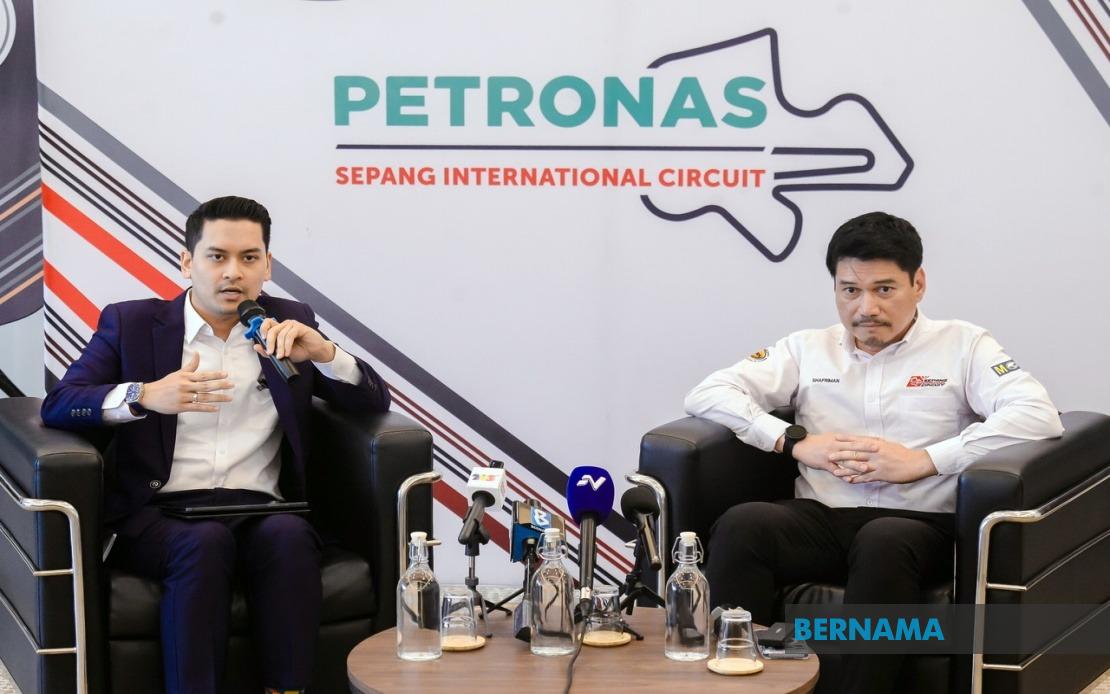
Malaysia has secured its position as a world-class motorsport destination by extending its Motorcycle Grand Prix contract through 2031, Youth and Sports Minister Dr Mohammed Taufiq Johari announced at the Sepang International Circuit on July 1. The five-year extension, effective from 2026 and approved by Cabinet, represents a strategic commitment to maintaining the nation's competitive edge in the global sporting arena. This decision comes as the current hosting agreement, which began in 2024, reaches its conclusion later this year.
The minister framed the renewal as far more than a routine contract signing, instead characterising it as a deliberate government strategy to preserve Malaysia's standing among the world's premier motorsport destinations. By committing to host the premier motorcycle racing series through the end of the current decade, the administration signals its intention to deepen the country's integration into international sporting networks and cement Sepang's reputation as a venue of international significance. This continuity provides crucial stability for long-term planning and investment in motorsport infrastructure and associated industries.
The economic case for hosting MotoGP extends well beyond the sport itself. An impact assessment of the 2024 edition revealed substantial tangible benefits: the event generated approximately RM694 million in overall economic value for the nation. Beyond headline figures, the race created more than 4,400 job opportunities across multiple sectors, from direct race organisation to hospitality and transportation services. The return on investment calculation of 6.3 times underscores the financial logic behind continued government backing for what has become a signature international event.
The motorsport calendar's economic ripple effects touch far beyond headline sponsors and circuit operators. Tourism revenue flows through hotels, restaurants, and entertainment venues as international visitors and media descend on the Klang Valley each year. The hospitality sector benefits directly from accommodation demand, while transportation networks experience significant utilisation increases. Small and medium enterprises particularly gain from increased consumer spending during the event period, creating temporary employment and business opportunities for vendors, service providers, and associated industries that depend on large-scale gatherings to drive revenue.
Beyond immediate economic metrics, Malaysia's continued hosting commitment reflects deeper strategic thinking about human capital development within motorsport. The government has invested in structured talent pathways through the Malaysian Motorsport Development programme, which aims to identify, nurture, and support emerging racing talent. This approach has already produced tangible international success: riders such as Hakim Danish and Qabil Irfan have begun making their mark on the global motorsport stage, demonstrating that systematic development initiatives can yield competitive results. These individuals represent both national pride and proof of concept for the broader talent ecosystem that the extended contract helps sustain.
The journey to hosting MotoGP at Sepang extends back three decades. Malaysia first welcomed the grand prix series in 1991, establishing itself as a committed member of the international motorsport community. When the Sepang International Circuit opened its doors in 1999, the venue became the permanent home for Malaysia's round of the championship, providing a world-standard facility that has hosted consistently high-calibre racing and attracted global audiences. This long-established relationship with MotoGP's governing bodies and the racing community provides Malaysia with institutional credibility and competitive advantage as other nations vie for hosting privileges.
From a regional perspective, Malaysia's continued commitment to MotoGP reinforces Southeast Asia's broader presence in global sporting calendars. While countries throughout the region host major international events, motorsport represents a particularly valuable category of sporting tourism, attracting affluent spectators, high-value media partnerships, and sustained international media attention. Thailand's Bangkok Grand Prix, Vietnam's former hosting arrangement, and Indonesia's aspirations for motorsport events all compete within the same marketplace. Malaysia's extended commitment through 2031 protects the country's share of these lucrative opportunities and establishes a stable platform for attracting complementary motorsport activities and investments.
The contract extension also carries implications for Sepang International Circuit's broader strategic positioning. As a major piece of national sporting infrastructure, the circuit requires continuous investment in facilities, safety standards, and operational capabilities to meet international racing standards. Long-term certainty about MotoGP hosting allows circuit operators and the government to plan facility upgrades, maintenance schedules, and capital improvements with confidence. This stability attracts commercial investment and partnerships that might hesitate before committing resources to a venue with uncertain future hosting prospects.
Government backing for MotoGP reflects a broader understanding that major international sporting events serve multiple policy objectives simultaneously. Such events advance tourism promotion, generate measurable economic activity, develop human talent, establish national prestige, and create employment across numerous sectors. The decision to extend through 2031 indicates that policy makers view motorsport as strategically important enough to justify sustained public sector engagement and investment. This commitment sits within Malaysia's wider agenda to position itself as a regional leader across multiple sectors of the global economy.
Looking ahead, the extended contract creates planning horizons that extend well beyond the typical annual sporting calendar. International broadcasters, sponsors, and the MotoGP organisation itself now have confirmed visibility extending several years forward, enabling them to build long-term programming and investment strategies around Malaysia's rounds. For Malaysian businesses, tourism operators, and the motorsport industry ecosystem, this extended certainty allows for more ambitious development initiatives than shorter contracts would permit. The five-year extension to 2031 thus represents not merely a continuation of current arrangements, but a platform for accelerated growth and deepening involvement in international motorsport networks.

