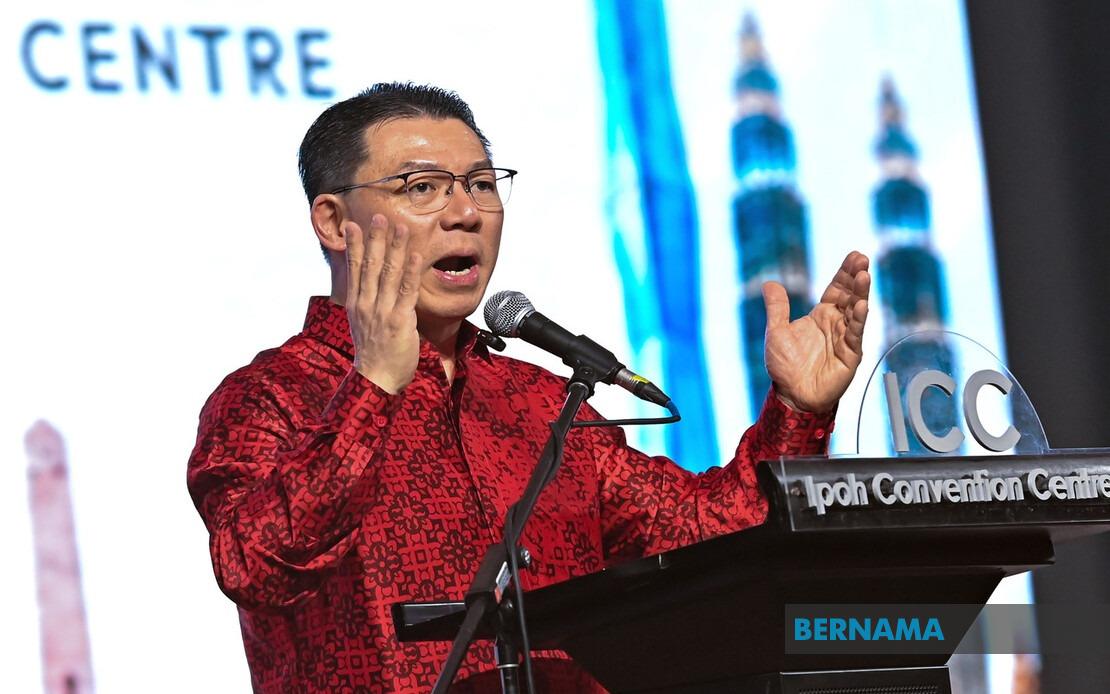
Malaysia is embarking on an ambitious nationwide public space transformation through the MY Public Space initiative, unveiled by the Ministry of Housing and Local Government (KPKT) as part of the 2026 National Landscape Day Celebration held in Melaka. The initiative represents a strategic partnership between KPKT's National Landscape Department and UN-Habitat, designed to establish public spaces that reflect international best practices whilst addressing the specific needs of Malaysian urban communities. Housing Minister Nga Kor Ming framed the programme as a comprehensive approach to enhancing citizen well-being through thoughtfully designed outdoor environments that serve as the backbone of liveable, resilient cities across the country.
The initiative unfolds through four primary operational pillars that collectively aim to reshape how Malaysia develops and manages public spaces. First, KPKT will establish a national recognition framework aligned with the Rosa Sinensis Award, creating a standardised benchmark for excellence in landscape design and management. Second, the ministry will pilot the MY Public Space Toolkit, a practical implementation framework that translates international standards into actionable guidelines for local practitioners and authorities. The third component involves strengthening existing public space management practices across municipalities and local councils, building capacity amongst administrators responsible for maintenance and programming of these spaces. Finally, the toolkit will be integrated into national landscape development guidelines and policies, embedding quality standards into the regulatory framework that governs future projects across Malaysia.
The collaboration with UN-Habitat carries particular significance for Malaysia's international positioning. By leveraging the expertise and networks of the UN agency responsible for sustainable urban development globally, the initiative positions Malaysia as a regional leader in creating inclusive, equitable public spaces. This partnership also aligns with Malaysia's current role as President of the UN-Habitat Assembly, a responsibility that carries obligations to demonstrate concrete progress on sustainable urban development commitments. The strategic connection between the MY Public Space initiative and Malaysia's stewardship of the UN-Habitat Assembly amplifies the country's voice in global conversations about urban sustainability and liveable cities, whilst simultaneously applying those international conversations to domestic challenges.
The government has established an ambitious target of developing 1,000 MADANI Parks nationwide by 2035, representing a long-term commitment to ensuring equitable access to quality green spaces across urban, suburban, and potentially rural communities. MADANI Parks—integrated recreational and community spaces that blend landscape design with social and recreational functions—have already demonstrated traction, with authorities successfully developing 217 parks during the 2024 to 2025 period alone. This achievement substantially exceeded the original annual target of 100 parks, suggesting accelerating momentum and improving implementation capacity within local authorities. In Melaka specifically, ten of these parks have been completed, with plans for three additional MADANI Recreational Parks in Ayer Keroh and Masjid Tanah during the current implementation cycle, demonstrating how the initiative translates into tangible community benefits across different states.
The MADANI Parks initiative addresses a critical infrastructure gap in Malaysia's urban landscape. Public spaces function as equalising infrastructure, providing all residents—regardless of income level—with access to recreation, social connection, and mental health benefits that private amenities cannot replicate. The rapid deployment of these parks reflects recognition that quality public spaces have become essential components of modern urban planning, particularly as urbanisation pressures intensify across Malaysia. Each park represents an investment not just in landscaping, but in community cohesion and public health, outcomes that have measurable impacts on citizen satisfaction and urban livability metrics.
Beyond immediate community benefits, the ministry has identified the landscape industry as a significant economic engine for Malaysia's future development. The sector is targeted to contribute up to RM40 billion to GDP by 2035 through expanded investments and increased exports of landscape products and services. This economic projection reflects growing global demand for landscape expertise, sustainable design solutions, and environmental restoration services as cities worldwide prioritise green infrastructure. Malaysia has already captured considerable market share in this space, recording landscape product exports valued at RM534.3 million in 2025 destined to affluent markets including Singapore, Japan, Australia, and the United States, indicating international recognition of Malaysian landscape expertise and product quality.
To realise this economic potential, KPKT is preparing the Malaysian Landscape Industry Blueprint, a long-term strategic document providing structured guidance across multiple value chain dimensions. The blueprint addresses workforce capacity building, recognising that expanded landscape industry activity requires sufficient skilled practitioners across design, installation, maintenance, and management disciplines. Industry standard coordination features prominently, ensuring that local practitioners can operate according to internationally recognised protocols whilst maintaining competitiveness. Green technology innovation receives dedicated attention, positioning Malaysia to benefit from emerging technologies in sustainable landscape management, from water-efficient irrigation systems to sustainable materials sourcing. The blueprint also emphasises strengthening the entire landscape value chain, from raw material suppliers through to service providers, ensuring that economic benefits distribute across the industry rather than concentrating at specific points.
The timing of this initiative carries particular relevance for Southeast Asian development patterns. As the region experiences unprecedented urbanisation, with populations increasingly concentrated in cities, questions about public space quality become critical policy matters. Malaysia's experience through this initiative offers a potential model for neighbouring countries grappling with similar urban development challenges. The emphasis on international best practices adapted to local contexts provides a template that could inform regional approaches to creating sustainable, inclusive cities. Furthermore, the explicit recognition of public space as essential infrastructure—worthy of national strategic attention and considerable resource allocation—contrasts with historical approaches where public spaces received minimal investment in some jurisdictions, reflecting evolving understanding of urban quality determinants.
The initiative also addresses equity dimensions often overlooked in infrastructure development. By targeting inclusive, safe public spaces across the country, the programme acknowledges that public space access should not depend on residential affluence or neighbourhood prosperity. Quality parks and public gathering spaces in lower-income areas receive equivalent attention to those in more affluent localities, a principle that strengthens social cohesion and reduces geographic disparities in quality of life. This equity lens represents important evolution in Malaysian urban policy, recognising that inclusive development requires intentional distribution of public amenities rather than allowing market forces to concentrate benefits in already-advantaged areas.
Implementation challenges remain substantial despite the initiative's clear strategic merits. Sustaining 1,000 parks by 2035 requires not just initial development funding but reliable long-term maintenance budgeting, a persistent challenge for Malaysian local authorities operating under financial constraints. Quality standards must be maintained across diverse geographic contexts and varying municipal capacities, requiring robust oversight mechanisms and technical assistance systems. Community engagement in park design and programming will prove essential to ensuring spaces genuinely serve local populations rather than reflecting external planners' assumptions about public space functions. The integration of the MY Public Space Toolkit into permanent policy frameworks requires sustained political commitment across multiple election cycles, protecting the initiative from shifts in policy priorities that often accompany government transitions.
Minister Nga Kor Ming's emphasis on the initiative's role in Malaysia's development aspirations positions public space creation as central to the country's broader vision of becoming a high-income nation with excellent quality of life. This framing recognises that development encompasses far more than economic metrics—it includes the lived experience of residents in cities they inhabit, the quality of environments where they work, recreation, and build community. By linking public space development to international standards, sustainable development goals, and economic competitiveness, the MY Public Space initiative demonstrates sophisticated understanding that urban quality, environmental sustainability, and economic performance operate as interconnected rather than competing objectives.

