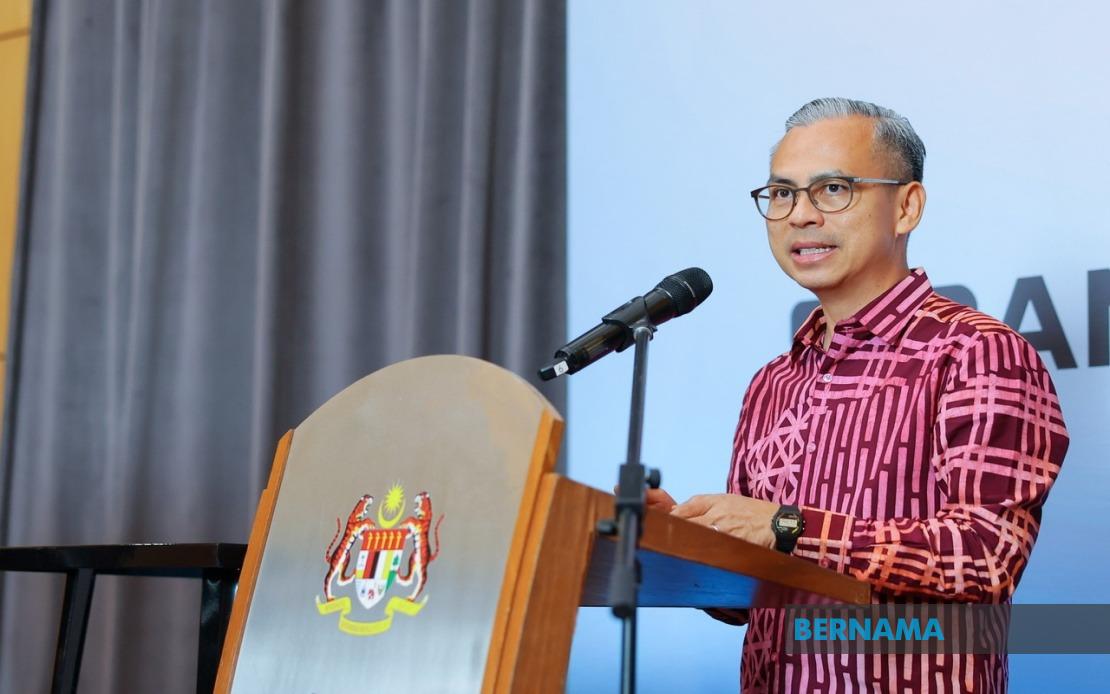
The Malaysian government has mobilized a coordinated national response to the proliferating threat of online fraud, establishing a special cross-agency working committee on June 18 to systematically address digital scam-related crimes. Communications Minister Datuk Fahmi Fadzil announced the initiative on July 2, describing it as a government priority that emerged from deliberations during a recent Cabinet retreat where lawmakers expressed serious concern about the accelerating volume of cybercriminal activity targeting Malaysian citizens.
This consolidated approach represents a significant institutional shift in how Malaysia tackles digital-era crime, moving away from siloed enforcement efforts toward an integrated framework that harmonizes the work of multiple government ministries, regulatory bodies, and enforcement agencies. The committee's formation underscores official recognition that online scam networks operate across jurisdictional boundaries and exploit weaknesses in coordination between different institutional actors. By creating a unified command structure, the government hopes to eliminate gaps that scammers have historically exploited to evade detection and prosecution.
A distinctive feature of this initiative involves unprecedented participation from Malaysia's private sector ecosystem. For the first time, the working committee will directly incorporate representatives from the banking sector, telecommunications companies, and major digital platforms including social media networks. This hybrid public-private governance model acknowledges that financial institutions and technology companies possess critical infrastructure, data access, and customer insight that government agencies alone cannot fully leverage. Banks can trace suspicious fund flows; telecom firms can identify fraudulent SIM patterns; and social media platforms can monitor scam networks and remove malicious content.
Fahmi emphasized that the government's strategy encompasses three interconnected dimensions: strengthened enforcement operations, modernized legal frameworks, and enhanced investigative capabilities. The enforcement pillar will generate more sophisticated operations against scam networks, while the legislative dimension aims to close statutory loopholes that criminals currently exploit. The investigative component will improve cross-border cooperation and digital forensics expertise, critical capabilities given that many scam operations involve international money laundering and operate across multiple jurisdictions across Southeast Asia.
The government has benchmarked this committee structure against previous successes in combating organized crime. Officials specifically referenced a parallel multi-agency task force established to address child sexual exploitation and abuse, which achieved measurable results through coordinated operations and information sharing. That model demonstrated that unified command structures with clearly defined responsibilities, regular inter-agency meetings, and shared intelligence databases substantially accelerate criminal investigation and prosecution timelines compared to traditional compartmentalized approaches.
However, the Communications Minister acknowledged strategic limits on public disclosure regarding the committee's specific operational tactics and investigative methodologies. Fahmi noted that openly publicizing enforcement strategies would inevitably alert sophisticated scam networks to adapt their techniques, rendering those tactics ineffective. This tension between institutional transparency and operational security reflects the asymmetric nature of cybercrime: scammers benefit from knowledge of law enforcement procedures, while legitimate users primarily need assurance that comprehensive protection measures exist rather than technical specifics of those measures.
The timing of this initiative reflects mounting public and political pressure stemming from high-profile scam cases that have devastated ordinary Malaysians financially and psychologically. Online fraud has evolved from relatively unsophisticated phishing schemes into elaborate criminal ecosystems involving professional networks of international operators, stolen data brokers, money mule networks, and money laundering infrastructure. Victims range from individuals losing life savings to businesses suffering supply chain compromise through fraudulent invoicing schemes. The psychological impact extends beyond financial loss, as victims often experience shame, depression, and reluctance to report incidents, creating a dark figure of actual scam victimization substantially larger than reported cases.
For Malaysian consumers and businesses, this committee offers institutional assurance that government is acknowledging online fraud as a systemic threat requiring emergency-level coordination. The committee's work will likely yield concrete outcomes within coming months, including harmonized reporting mechanisms allowing victims to easily escalate complaints across agencies, improved victim compensation frameworks, mandatory fraud-prevention standards for financial and technology platforms, and enhanced public education campaigns explaining emerging scam methodologies. These tangible deliverables would represent meaningful progress compared to previous fragmented responses.
The broader Southeast Asian context amplifies urgency around this initiative. Malaysia sits within a region that scammers view as increasingly lucrative, with rising smartphone penetration, growing digital payment adoption, and relatively nascent regulatory frameworks creating abundant opportunity. Thailand, Singapore, and Indonesia have reported exponential increases in online fraud cases, suggesting the phenomenon represents a regional challenge demanding coordinated cross-border solutions. Malaysia's proactive committee formation could establish a model for enhanced regional cooperation, particularly if the government develops protocols for information sharing and joint operations with counterpart agencies across ASEAN nations.
Industry observers note that the committee's sustainability will depend partly on resource allocation and political commitment beyond the initial announcement phase. Successful inter-agency committees require dedicated funding, permanent staffing, and regular Cabinet-level oversight to maintain momentum when political attention inevitably shifts to competing priorities. The committee will also face technical challenges coordinating across agencies operating different database systems and intelligence classification protocols, requiring substantial IT infrastructure investment to enable seamless information sharing while maintaining appropriate security compartmentalization.
Looking forward, the effectiveness of this initiative will be measured through declining scam victimization rates, faster criminal prosecution timelines, and improved recovery of stolen funds. The government's willingness to engage private sector partners also potentially opens pathways for industry-led innovations including artificial intelligence systems for anomaly detection in financial transactions, blockchain-based verification systems for identity authentication, and collaborative platforms enabling banks and platforms to rapidly share threat intelligence about emerging scam tactics. The committee's success could reshape how Malaysia's digital ecosystem addresses fraud, positioning the nation as a regional leader in integrated cybercrime prevention.

