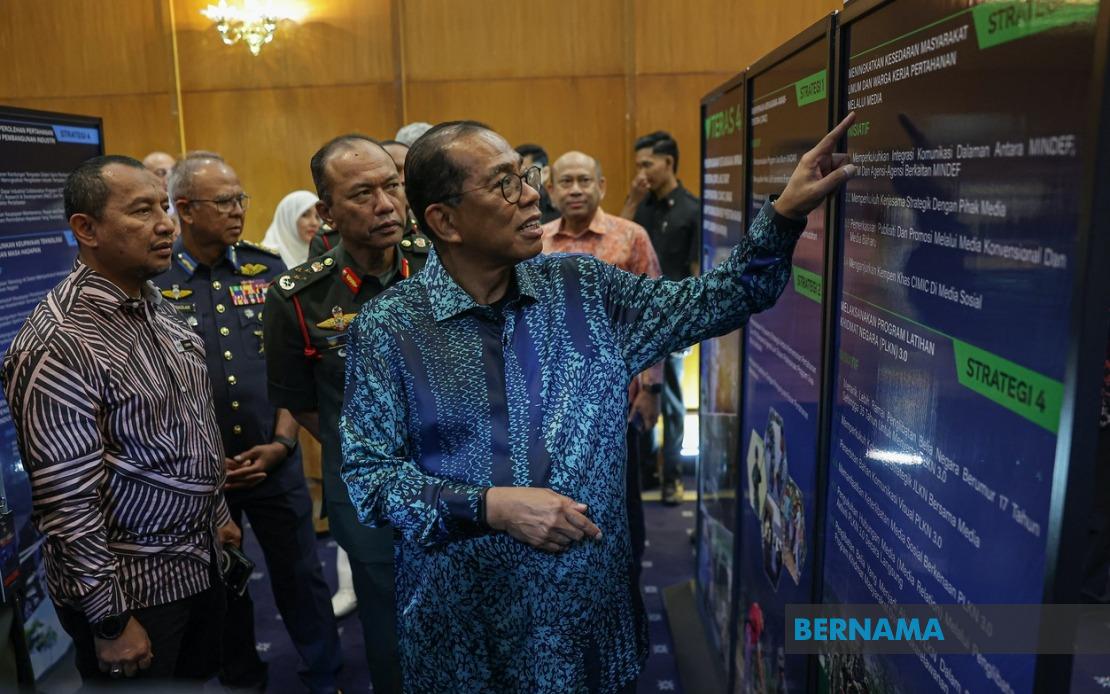
Malaysia's Defence Ministry has introduced two landmark policy frameworks aimed at fortifying the nation's military capabilities and operational readiness through 2030. The National Defence Strategic Plan (PSPN) and Defence Capacity Blueprint (RTKP), unveiled in Kuala Lumpur on June 25, represent a coordinated effort to address rapidly evolving security threats while ensuring the country's defence architecture remains flexible and responsive to unforeseen challenges.
Defence Minister Datuk Seri Mohamed Khaled Nordin explained that these documents function as complementary instruments to the existing Defence White Paper, creating a cohesive strategic framework that anticipates future contingencies. The twin documents emerge from a comprehensive mid-term review of Malaysia's overarching defence policy, which examined emerging vulnerabilities and opportunities within the contemporary security environment. By establishing clear strategic objectives and the mechanisms to achieve them, the ministry aims to position Malaysia as a capable and forward-thinking defence establishment in Southeast Asia.
The geopolitical context underpinning these initiatives is significant. The region faces mounting uncertainties stemming from great power competition, territorial disputes, and shifting diplomatic alignments. Simultaneously, non-traditional security threats—ranging from cyber-attacks to transnational crime—have expanded the operational scope of modern defence forces. The PSPN accordingly anchors Malaysia's military posture across seven strategic pillars, encompassing operational efficiency of the Malaysian Armed Forces, modernisation of weapons systems and defence infrastructure, personnel welfare and veteran support, investment in defence technology and research and development, and broader institutional strengthening.
A distinctive feature of the new framework is its emphasis on capability development rather than procurement alone. The Defence Capacity Blueprint specifically targets deficiencies in human resources, technological expertise, financial management, and inter-agency coordination. Minister Mohamed Khaled characterised the relationship between the two plans as complementary: the PSPN establishes strategic direction and priorities, while the RTKP ensures the Defence Ministry possesses sufficient institutional, financial, and human resources to translate ambitions into concrete operational improvements. This separation of strategic vision from implementation capacity reflects international best practice in defence planning.
The whole-of-government approach embedded within these frameworks deserves scrutiny. Rather than treating defence as the exclusive purview of military institutions, the ministry's conception explicitly incorporates civilian agencies, private sector expertise, and broader societal participation. This recognition that national security requires coordination across multiple sectors aligns with regional trends toward integrated security governance. For Malaysia, where civilian maritime authorities, law enforcement, and intelligence agencies operate alongside the military, such a holistic approach addresses longstanding coordination challenges that previously hampered operational effectiveness.
The technological dimension of these plans reflects global defence trends, particularly regarding artificial intelligence and autonomous systems. The mention of emerging disruptions caused by AI and automation suggests the Defence Ministry recognises that future conflicts may involve unmanned platforms, cyber capabilities, and algorithmic decision-making tools. Malaysia's defence establishment must therefore invest substantially in digital infrastructure, cybersecurity protocols, and personnel training to maintain technological parity with potential adversaries in the region.
Recent platform acquisitions demonstrate the practical expression of these strategic aspirations. The three ANKA Medium Altitude Long Endurance Unmanned Aircraft Systems (UAS) received in March have been deployed at Labuan Air Base, enhancing Malaysia's maritime domain awareness capabilities. These platforms provide extended surveillance coverage over maritime territories, particularly valuable given Malaysia's extensive exclusive economic zone and the strategic importance of regional shipping lanes. Such investments underscore the Defence Ministry's commitment to translating policy into deployable military capacity.
The pipeline of forthcoming acquisitions further illustrates commitment to modernisation. Scheduled deliveries of FA-50M light combat aircraft will augment air force capabilities, while maritime patrol aircraft will strengthen coastal surveillance and interdiction operations. The second batch of Littoral Mission Ships will expand the Royal Malaysian Navy's capacity to patrol Malaysian waters and contribute to regional security operations. Collectively, these platforms address critical capability gaps that previously constrained Malaysia's ability to exercise sovereign control over its maritime domains and participate effectively in regional security arrangements.
The five-year horizon of these plans carries particular significance for Malaysia's regional positioning. Southeast Asia faces a dynamic security environment characterised by evolving threat profiles, technological proliferation, and intensifying great power involvement. Countries that successfully modernise defence establishments during this period will enhance their strategic autonomy and deterrent capability. Malaysia's comprehensive strategic and capacity planning therefore represents not merely internal institutional reform but also a calibrated response to regional competitive dynamics.
Implementation challenges, however, warrant consideration. Translating strategic documents into operational improvements requires sustained political commitment, adequate budget allocation, and effective execution by Defence Ministry officials and uniformed personnel. The emphasis on human capital development suggests awareness that capability deficiencies often stem from talent gaps and training shortcomings rather than equipment alone. Building specialist expertise in emerging domains such as cyber defence, autonomous systems, and advanced analytics demands sustained investment in education and recruitment strategies.
For Malaysia's international defence partnerships, these new frameworks provide clarity regarding the country's strategic priorities and capacity-building needs. Allied nations and defence partners can reference these documents when discussing cooperation initiatives, procurement partnerships, and military-to-military engagement. The frameworks also facilitate burden-sharing arrangements within regional security mechanisms, as partner nations better understand Malaysia's capabilities and development trajectory.
The broader implications for Malaysian society extend beyond military modernisation. Defence spending and technology development initiatives create employment opportunities in skilled manufacturing, software development, and engineering sectors. The emphasis on innovation and research and development may catalyse private sector engagement with defence applications, potentially generating spillover benefits in civilian technological advancement. Additionally, personnel welfare and veteran support commitments acknowledge the social dimensions of national defence, fostering public confidence in military institutions.
Ultimately, the PSPN and RTKP represent Malaysia's considered response to a security environment that grows increasingly complex annually. By establishing clear strategic vision while simultaneously addressing implementation capacity, the Defence Ministry has created a governance framework capable of adapting to unforeseen developments whilst maintaining strategic consistency. Success will depend on sustained executive commitment, adequate resource allocation, and effective coordination across civilian and military agencies, but the comprehensive approach adopted positions Malaysia favourably for navigating future defence challenges.

