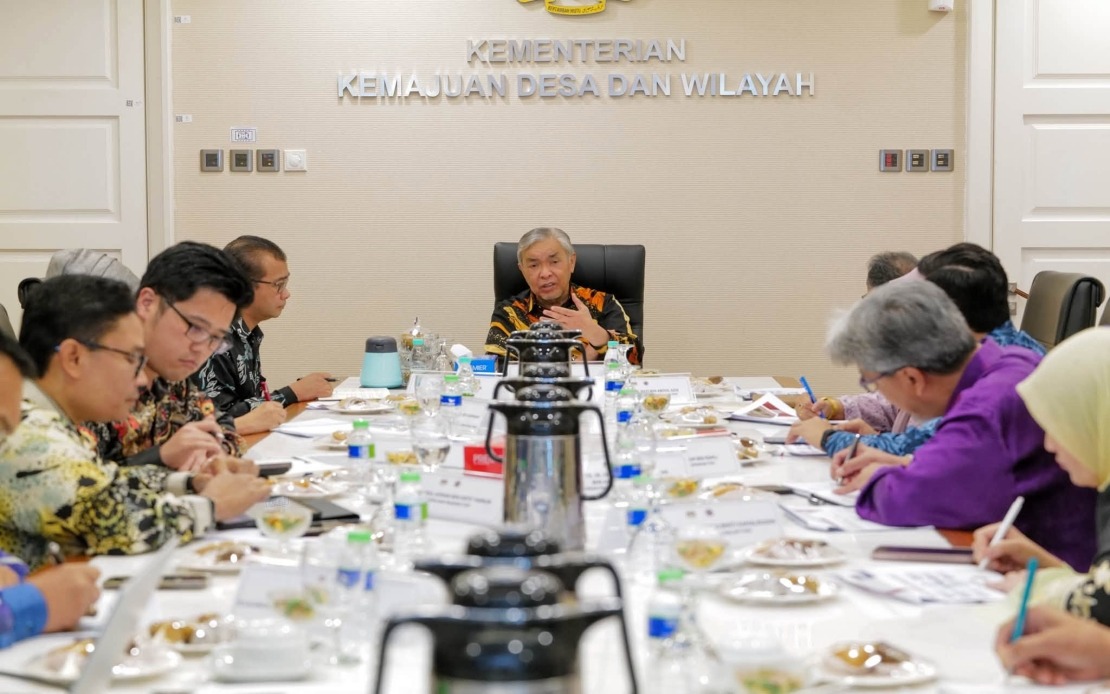
Malaysia is embarking on a comprehensive overhaul of its technical and vocational education system, with Deputy Prime Minister Datuk Seri Dr Ahmad Zahid Hamidi unveiling a new governance framework designed to streamline skills training across the nation. The creation of the Strategic TVET 2.0 Task Force 2026-2035, accompanied by 10 specialised committees, marks a significant intensification of the government's push to position Technical and Vocational Education and Training as a cornerstone of the country's human capital strategy. This institutional redesign reflects recognition that Malaysia's competitive edge in a rapidly evolving regional economy depends on producing workers equipped with practical, industry-relevant skills.
The Strategic TVET 2.0 Task Force will be chaired by UCSI University president and vice-chancellor Emeritus Professor Datuk Dr Siti Hamisah Tapsir, bringing academic expertise to the leadership of Malaysia's vocational ecosystem. According to Ahmad Zahid, who chairs the National TVET Council, the task force and its subordinate committees will operate with greater structural coherence and measurable outcomes than previous frameworks. Rather than allowing initiatives to develop in isolation, the new architecture ensures that policy implementation across technical education becomes integrated, coordinated and focused on delivering results that benefit both students and employers seeking skilled personnel.
The 10 TVET Strategic Committees address distinct but interconnected dimensions of vocational training. Among them, the TVET Governance and Institutional Reform Committee, headed by Datuk Dr Asyraf Wajdi Dusuki, will tackle structural challenges within the system itself, potentially streamlining regulatory processes and improving coordination between institutions. The TVET Industry and Employers Committee, chaired by Datuk Khairul Azwan Harun, will establish closer dialogue between training providers and the private sector, ensuring that curriculum design and graduate competencies align with what businesses actually need. This employer engagement is critical for countries like Malaysia, where misalignment between skills taught and skills demanded remains a persistent challenge in transitioning workers into quality employment.
Financing represents another crucial pillar addressed by the TVET Financing and Sustainability Committee under Ramelle Ashram Ramli's leadership. Vocational education systems require sustained investment in infrastructure, equipment and instructor development, yet many governments struggle to maintain adequate funding. Malaysia's emphasis on financial sustainability signals commitment to moving beyond short-term announcements toward long-term resource security that allows institutions to upgrade facilities and keep pace with technological change in industries ranging from manufacturing to digital services.
The inclusion of a dedicated Women Empowerment in TVET Committee, chaired by Datuk Dr Masilla Kamalrudin, acknowledges a persistent gender gap in technical training across Southeast Asia. Women remain underrepresented in vocational programmes, particularly in high-demand fields like engineering, information technology and skilled trades. Deliberately centering women's participation in Malaysia's TVET transformation signals an intention to unlock talent and expand the skilled workforce beyond traditional demographic patterns, while creating pathways to better-paying employment for women who might otherwise face limited economic opportunity.
Ahmad Zahid, speaking as both Deputy Prime Minister and Minister of Rural and Regional Development, framed this institutional restructuring as integral to the MADANI government's broader agenda of strengthening Malaysia's competitiveness. The MADANI framework emphasises prosperity and welfare, treating human capital development as essential to achieving shared economic growth. By positioning TVET as a key driver of workforce capability, the government acknowledges that advanced manufacturing, renewable energy, biotechnology and digital services—sectors where Malaysia hopes to develop competitive advantage—all require technically skilled personnel rather than purely academic graduates.
The timing of this initiative carries particular significance for Malaysia's regional standing. Across Southeast Asia, Singapore, Thailand and Vietnam have invested heavily in technical education, positioning themselves as preferred hubs for industries requiring skilled workforces. Malaysia faces competitive pressure to ensure its vocational system remains credible and responsive. By establishing clear governance structures and measurable implementation frameworks, the TVET 2.0 initiative attempts to signal to foreign investors and regional peers that Malaysia takes skills development seriously and has created institutional capacity to deliver results.
The 2026-2035 timeframe reflects both ambition and realism. A decade-long strategic horizon acknowledges that transforming an entire education system requires sustained effort, curriculum redesign, instructor training and cultural shifts in how society perceives vocational paths relative to university education. For Malaysian students, particularly those in secondary school now, this strategic planning offers greater clarity about vocational alternatives and potentially improved quality in institutions and programmes they might eventually enter. Employers gain visibility into government commitment to building a pipeline of trained workers aligned with their needs.
The establishment of interconnected committees rather than a single centralised authority suggests the government recognises that effective TVET transformation requires diverse expertise and stakeholder participation. Governance experts can tackle systemic reform, industry leaders can drive relevance, financial specialists can ensure sustainability, and advocates for underrepresented groups can push inclusion. This distributed approach, if executed with genuine coordination, allows different specialists to focus on their domains while the overarching task force maintains strategic coherence.
For Malaysian workers and prospective students, the real test of this initiative lies in implementation. Announcements of task forces and committees are necessary but insufficient; success requires actual curriculum modernisation, investment in state-of-the-art training facilities, competitive compensation for vocational instructors, and genuine employer engagement in defining what students should learn. The framework announced by Ahmad Zahid creates space for these practical improvements, but institutional effectiveness will determine whether Malaysia's TVET system genuinely evolves to meet the skills demands of a dynamic regional economy or whether the new committees become another layer of bureaucracy.

