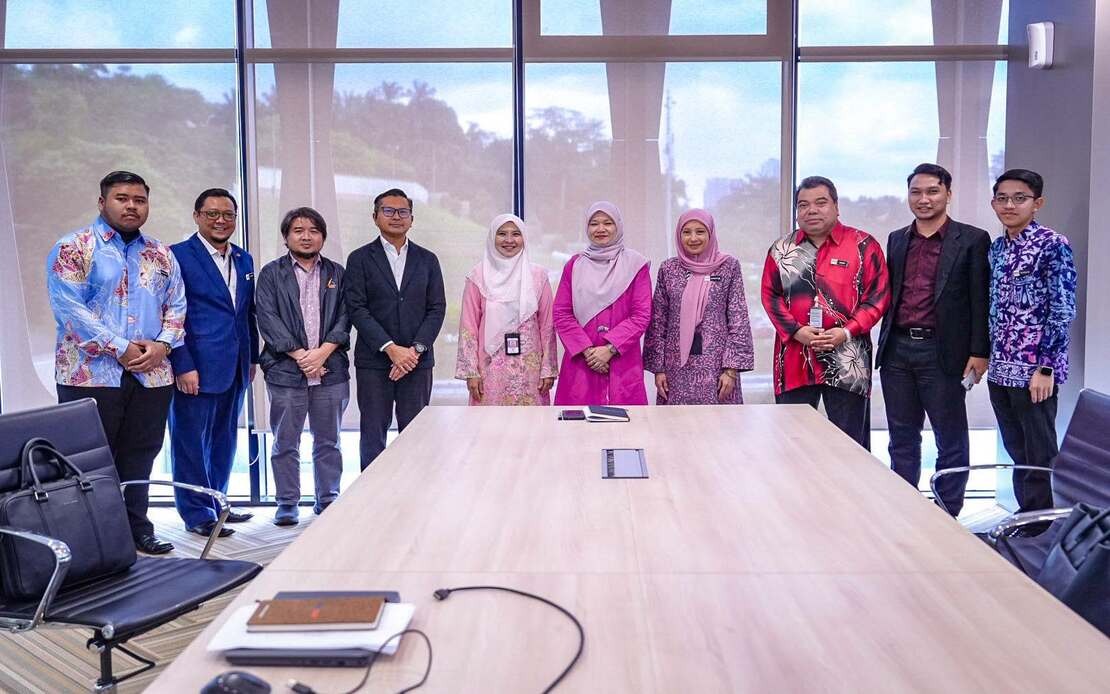
The Malaysian Education Ministry is embarking on a nationwide campaign to educate students, educators, and parents about critical child protection legislation, marking a significant step in strengthening safeguards within the nation's schools. Education Minister Fadhlina Sidek confirmed that comprehensive advocacy initiatives covering the Child Act 2001, the Anti-Bullying Act 2026, and the Sexual Offences Against Children Act 2017 will be systematically introduced throughout the education sector. The announcement followed a strategic meeting between ministry officials and a delegation from the Human Rights Commission of Malaysia (SUHAKAM), including Children's Commissioner Dr Farah Nini Dusuki and Dr Mohd Al Adib Samuri, signalling a collaborative approach to child welfare at the highest institutional levels.
The timing of this initiative reflects growing national concern about emerging threats to student safety. Beyond formal legislative frameworks, the discussions addressed pressing contemporary issues that increasingly dominate Malaysian headlines and parental concerns. Bullying, in both traditional and digital forms, has become a widespread phenomenon affecting school environments, while incidents of sexual harassment and exploitation continue to trouble communities and policymakers alike. By integrating these three distinct but interconnected areas of law into a cohesive educational programme, the ministry aims to create multiple layers of protection for young Malaysians.
The Child Act 2001 establishes fundamental rights and protections for children, outlining responsibilities of parents, guardians, and state institutions. This legislation underpins much of Malaysia's child welfare framework and provides legal recourse for vulnerable youth. The Anti-Bullying Act 2026, comparatively newer to the legislative landscape, directly addresses the modern scourge of peer violence and intimidation, both on campus and increasingly through social media platforms. The Sexual Offences Against Children Act 2017 offers specific criminal protections against predatory behaviour targeting minors, distinguishing such crimes as particularly severe breaches warranting stringent penalties.
Fadhlina emphasised that raising awareness across all educational levels would be essential to the programme's success. The strategy appears designed to ensure that knowledge of these laws penetrates from primary schools through tertiary institutions, recognising that different age groups require age-appropriate messaging about their rights and responsibilities. School administrators, teachers, and support staff will need grounding in these legal frameworks to recognise violations and respond appropriately. Simultaneously, students themselves must understand both the protections afforded to them and the boundaries of acceptable behaviour towards peers.
The commitment to strengthen collaboration between the Education Ministry and SUHAKAM represents a notable institutional partnership. SUHAKAM's involvement brings independent oversight and human rights expertise to an area where governmental and civil society perspectives often diverge. The Human Rights Commission can offer insights into gaps in implementation, emerging vulnerabilities, and best practices from international standards. This partnership model suggests that Malaysia recognises child protection as an issue requiring sustained coordination rather than episodic intervention.
For Malaysian parents and educators, the rollout signals a shift towards more systematic, law-informed approaches to student safety. Rather than relying solely on school policies or informal community standards, the advocacy programme grounds child protection in explicit statutory frameworks. This has practical implications: teachers and administrators will be better equipped to intervene in bullying incidents with reference to specific legal provisions, schools can implement reporting mechanisms aligned with legislative requirements, and students gain understanding of where their legal protections begin and end.
The focus on creating a safe learning environment directly serves Malaysia's broader educational objectives. Schools where bullying, harassment, and fear predominate naturally experience compromised academic outcomes. Students experiencing or witnessing victimisation struggle with concentration, attendance, and psychological wellbeing. By positioning child protection as integral to educational mission rather than peripheral welfare matter, the initiative acknowledges that learning thrives only where safety is assured. This aligns with international best practices recognised by organisations such as UNESCO and UNICEF.
The geographical scope of implementation matters significantly for a nation as diverse as Malaysia. Urban and rural schools often face different manifestations of child protection challenges—urban areas may see higher rates of cyberbullying and digital sexual exploitation, while rural regions might grapple with different access patterns and reporting barriers. A truly nationwide rollout requires recognition of these contextual differences and potentially differentiated delivery approaches that remain faithful to core legal principles while respecting local realities.
Regionally, Malaysia's initiative positions the country as taking child protection seriously at policy and implementation levels. Southeast Asia has seen increasing recognition of child safety as a development priority, with countries increasingly updating legislation and investing in institutional capacity. The Malaysian approach, combining legislative awareness with institutional partnership, offers a model potentially applicable across the region. Other nations facing similar challenges with bullying and sexual offences against minors may observe how effectively education-sector integration translates legal protections into practical safeguards.
Looking forward, the success of this advocacy programme will depend on sustained resourcing, regular teacher training, and mechanisms for monitoring whether awareness translates into behavioural change. Simply disseminating information about laws achieves little if schools lack capacity or will to enforce provisions. The ministry must establish clear accountability frameworks showing which institutions are implementing programmes and with what measurable outcomes. Additionally, student feedback mechanisms should allow young people themselves to report on whether they feel meaningfully safer as a result of these initiatives.
The declaration that "there will be no compromise" on children's rights and welfare represents strong political commitment, yet such rhetoric requires backing through sustained budgetary allocation and personnel deployment. Advocacy programmes demand trained facilitators, quality materials developed with child psychology expertise, and repeated reinforcement rather than one-off campaigns. The challenge ahead involves translating ministerial goodwill into institutional change affecting millions of students across the education system.

