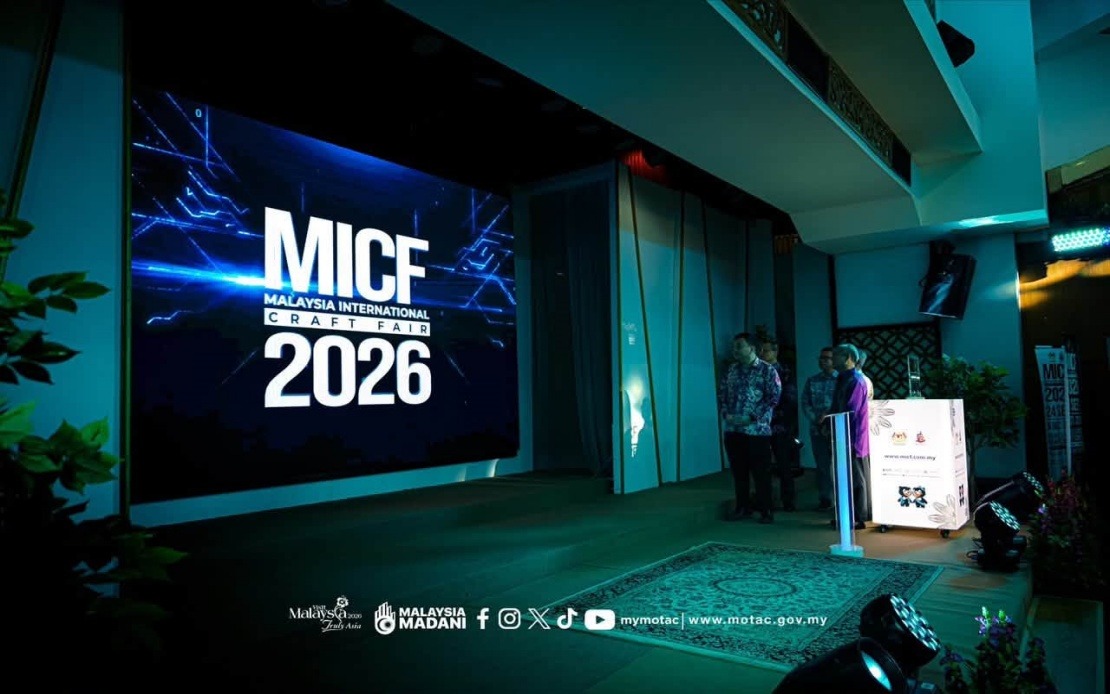
The Malaysia International Craft Fair 2026 is set to become a major gathering for craftspeople and enthusiasts, bringing together 400 artisans across a sprawling 12-day programme at the Kuala Lumpur Craft Complex. Kraftangan Malaysia, the national craft development organisation, has confirmed the event will run from September 24 to October 5 next year, with organizers targeting a robust mix of 300 local craftspeople alongside 100 international participants representing more than 20 countries. The fair promises to be a significant platform for knowledge exchange and commercial opportunity within the global craft sector.
The scale of international participation underscores Malaysia's growing reputation as a cultural and craft tourism destination in Southeast Asia. By securing artisans from diverse regions—six countries alone will mount dedicated craft demonstrations—the fair positions Kuala Lumpur as a nexus where traditional techniques from across continents converge. This geographic diversity also reflects the increasing recognition that craft industries, when properly supported and marketed, can generate substantial economic value for participating nations while preserving endangered artisanal traditions.
The demonstration programme reveals the curators' strategy to highlight contrasting craft traditions and techniques. China will present jade carving, drawing on millennia of refined skill in working with one of Asia's most prized materials. New Zealand's Maori carving tradition brings indigenous perspectives on form and spiritual symbolism, while Uzbekistan's jewellery artistry represents Central Asian metalworking heritage. The inclusion of Sri Lanka's beeralu lace work showcases delicate textile traditions, Indonesia's leather art demonstrates regional excellence in hide processing, and India's tarkashi brass inlay technique illustrates the precision required in metal embellishment. This curated selection ensures visitors encounter genuine technical diversity rather than merely superficial cultural representation.
Malaysia's own craft heritage will feature prominently through demonstrations by ten local masters and entrepreneurs. This domestic representation is strategically important, ensuring that visitors see Malaysian craftsmanship not as a secondary attraction but as an equal partner in the global conversation about contemporary and traditional making. The prominence given to local practitioners also signals support for Malaysia's craft economy, which has faced competitive pressures from industrialised production in recent decades. By providing a high-profile platform alongside international peers, the fair reinforces the value proposition for younger Malaysians considering careers in craft disciplines.
Beyond the demonstrations, the fair's programming reflects contemporary approaches to craft engagement. Alongside traditional exhibitions, the schedule includes what organisers term craft expressions and explorations—language suggesting interactive and experimental elements rather than static displays. The International Craft Talk programme will facilitate dialogue between artisans, designers, and industry professionals, creating the networking opportunities and strategic partnerships that Kraftangan Malaysia emphasises as key outcomes. Such conversations are increasingly vital as craft practitioners navigate questions of cultural appropriation, sustainable materials sourcing, fair trade principles, and the integration of contemporary design into traditional practices.
The International Fashion Showcase within the fair programme recognizes the contemporary relevance of craft to the fashion industry. As global fashion increasingly turns toward sustainable, handmade alternatives to mass production, craft practitioners have found new commercial channels. Malaysian designers and international fashion brands have begun collaborating with traditional craftspeople, creating hybrid products that command premium pricing while supporting artisanal livelihoods. This showcase element will likely attract industry buyers and media attention beyond the core craft community.
Cultural performances and interactive activities round out the programme, acknowledging that successful craft fairs function as experiences rather than mere marketplaces. The daily extended hours—10 am to 10 pm throughout the 12 days—accommodate various visitor patterns, from office workers visiting during lunch breaks to families exploring weekend activities. This scheduling flexibility is particularly important in Malaysia's context, where tourism and cultural participation compete with diverse urban leisure options. Strategic partnerships have enabled additional programming, including traditional cooking demonstrations, which connect food heritage to broader craft practices and appeal to visitors' experiential interests.
The Kuala Lumpur Craft Complex location carries symbolic weight. As a dedicated venue for craft activities, it positions the fair within an established infrastructure rather than treating craft as a temporary addition to generic exhibition spaces. This permanence signals institutional commitment to craft development as a sustained policy priority. The venue's capacity and facilities must accommodate not only the 400 participating artisans but also the infrastructure needed for demonstrations, performances, and the anticipated visitor volume across 12 days. Kuala Lumpur's central location and existing tourism infrastructure make it an accessible destination for both regional and international visitors.
Deputy Minister Chiew Choon Man's involvement in the pre-launch officialisation indicates government-level support for the initiative. Such political backing is significant because craft development often competes for resources with more economically visible sectors. When government ministers publicly endorse craft initiatives, it elevates the sector's policy profile and can influence funding decisions, export promotion strategies, and educational investment in craft disciplines. The Ministry of Tourism, Arts and Culture's engagement also suggests the fair aligns with broader cultural diplomacy objectives, using craft as a vehicle for soft power and regional relationship-building.
For Malaysian readers, the 2026 fair represents both an opportunity and a benchmark. Local craftspeople will gain exposure to international standards, techniques, and market expectations while showcasing their own work to global audiences. The networking outcomes could yield export partnerships, design collaborations, or knowledge exchange that strengthens Malaysia's competitive position in the global craft economy. For consumers and tourism stakeholders, the fair offers a concentrated window into global craft traditions while celebrating local excellence, reinforcing Kuala Lumpur's positioning as a cultural destination worthy of extended visits.
The emphasis on craft as a vehicle for partnership and market access reflects evolving understanding of how traditional sectors can thrive in globalised contexts. Rather than positioning craft as a nostalgic remnant of pre-industrial societies, contemporary craft fairs like MICF 2026 present it as an active, dynamic sector where innovation and tradition coexist. The fair's success will likely be measured not only by attendance figures but by the quality of partnerships formed, the international media attention generated, and the subsequent business outcomes for participating artisans. These metrics will determine whether MICF 2026 becomes an annual fixture that genuinely transforms opportunities for the global craft community or remains a well-intentioned but ultimately transactional event.

