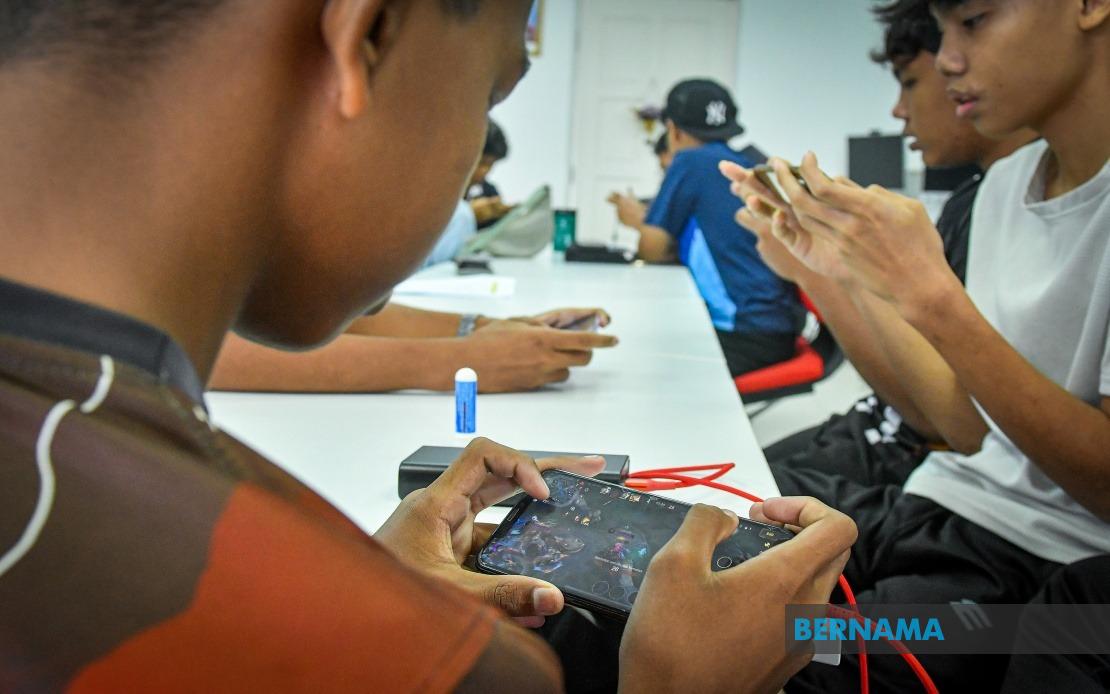
Malaysia's government is ramping up educational efforts to help parents understand their critical role in enforcing the national ban on social media use by children under the age of 16, according to Deputy Communications Minister Teo Nie Ching. Speaking at a press conference during the Parent-Teacher Association Convention for the Safe Internet Campaign in Johor Bahru, Teo underscored that the campaign represents a cornerstone of the MADANI government's digital safety agenda, with a particular emphasis on shifting responsibility to households rather than relying solely on prohibitive measures.
The campaign, now in its fourth iteration, reflects an evolution in Malaysia's approach to child online safety. Rather than treating the under-16 social media restriction as a simple ban to be enforced top-down, the government is positioning parental monitoring and guidance as the foundation of compliance. Teo stressed that although parents retain the legal right to register digital accounts on behalf of their children, doing so without implementing robust home-based safeguards undermines the policy's intent. This nuanced messaging acknowledges the reality that many families require digital connectivity for legitimate purposes such as educational access and emergency communication, while prioritising age-appropriate usage boundaries.
The timing of this intensified awareness campaign aligns with Malaysia's enforcement of age-verification requirements, which came into effect on June 1 this year under the Child Protection Code and Risk Mitigation Code. These regulations were introduced pursuant to the Online Safety Act 2025 and are administered by the Malaysian Communications and Multimedia Commission (MCMC). Under the system, individuals seeking to create social media accounts must verify their identity using official documents including MyKad, passport, or MyDigital ID. This technical infrastructure provides the enforcement mechanism, but Teo's emphasis on parental education suggests the government recognises that technology alone cannot guarantee compliance without household-level cooperation.
The scale of the Safe Internet Campaign demonstrates the government's commitment to embedding digital literacy and safety consciousness across Malaysia's education system. To date, the programme has reached an extensive network of schools and educational institutions. The reach encompasses 5,946 government primary schools, 2,416 government secondary schools, 1,285 Chinese-medium schools, and 524 Tamil-medium schools. Beyond the K-12 sector, the campaign has extended into higher education, with implementation across 68 tertiary institutions, 67 Form Six colleges and vocational colleges, and six teacher education institutes. This comprehensive geographical and institutional spread ensures that messaging reaches diverse communities and that educator input shapes the campaign's evolution.
Parent-teacher associations have emerged as key delivery channels for this awareness work, a strategic choice that recognises the existing trust relationships and communication infrastructure within schools. By engaging PTAs directly, the government leverages trusted community figures and established forums to communicate complex policy information in accessible ways. The Johor convention served as a platform to deepen PTA understanding of the policy rationale, equipping these bodies to become advocates for safe internet practices within their respective school communities. This approach transforms PTAs from peripheral stakeholders into active partners in national digital safety efforts.
The campaign roadshow structure indicates sustained momentum beyond the initial Johor event. The programme is scheduled to move to Sabah in September and Sarawak in October, ensuring that East Malaysian communities receive equal attention and resources. This geographic progression acknowledges regional variations in internet access, digital adoption rates, and household structures, while demonstrating federal commitment to consistent messaging across the country. The staggered rollout also allows organisers to incorporate feedback from earlier engagements and refine messaging for specific regional contexts.
Enforcement, according to Teo, will operate through a collaborative model between government regulators and digital platform providers. The MCMC has committed to investigating reports of minors misusing social media accounts and submitting formal requests to platform operators to remove offending accounts. This mechanism places responsibility on technology companies to implement the policy on their own systems, a practical necessity given that no government regulator can unilaterally control platforms' internal operations. However, this approach also creates potential gaps where platform cooperation becomes inconsistent or delayed, a challenge Malaysia shares with other nations attempting to regulate global digital services.
The emphasis on parental education rather than punitive enforcement reflects broader international trends in child digital safety policy. Countries including the United Kingdom, Australia, and several European nations have similarly pivoted toward parental awareness and media literacy as primary tools, recognising that blanket bans often prove ineffective without family-level buy-in. Malaysia's approach aligns with this evidence-based shift, though it remains more prescriptive than some peer nations in explicitly naming age 16 as the threshold. The framing of the policy as educational and guidance-focused rather than strictly restrictive may help with acceptance among parents who otherwise view such regulations as government overreach.
For Malaysian families and educators, the campaign's messaging carries implications that extend beyond social media use alone. The emphasis on parental monitoring and device management reflects a broader recognition that children's digital environment encompasses entertainment, education, communication, and commerce. Teaching parents to think critically about what devices their children access, when, and under what supervision creates frameworks applicable to online gaming, streaming services, educational platforms, and other digital touchpoints. This holistic approach potentially builds digital citizenship and critical thinking skills more effectively than age-based restrictions alone.
The campaign also addresses regional concerns specific to Southeast Asia, where rapid smartphone proliferation has outpaced digital literacy infrastructure. Countries across the region grapple with inadequate online safety education, limited parental awareness of digital risks, and technology companies' inconsistent responses to regional regulation. Malaysia's structured, institutionalised approach—embedding awareness efforts into schools and PTAs—offers a model that other ASEAN nations might adapt. The success of this campaign will likely influence how neighbouring countries design their own digital safety frameworks, particularly as childhood online vulnerability emerges as a shared regional concern.
Looking forward, the effectiveness of Malaysia's Safe Internet Campaign will depend largely on sustained engagement beyond the roadshow phase. Initial awareness initiatives often generate enthusiasm but fade without ongoing reinforcement, parental support systems, and demonstrated benefits. The government's stated intention to involve thousands of educational institutions suggests commitment to scale, but translating institutional participation into genuine behavioural change among families remains the fundamental challenge. Teo's framing of the policy as partnership rather than prohibition sets a constructive tone, yet implementation will reveal whether platform cooperation, parental capacity, and regulatory follow-through align to make the policy genuinely effective.

