Universiti Malaysia Terengganu has established itself as a regional hub for environmental science by convening the 1st International Conference on Microplastics 2026 in Putrajaya, drawing 126 participants spanning academia, policy circles, industry, and environmental advocacy from across Asia-Pacific and beyond. The two-day gathering represents a pivotal moment in addressing one of the 21st century's most pervasive and insidious environmental crises, one that transcends national boundaries and demands coordinated global action. Delegates hailing from Malaysia, Australia, Indonesia, China, Japan, Canada, India, South Korea, the Philippines, and Thailand converge to exchange research, strategies, and commitments to mitigating microplastic pollution's expanding footprint.
Microplastics—tiny plastic particles measuring less than 5 millimetres—have emerged as a defining environmental challenge precisely because of their ubiquity and persistence. These fragments accumulate in oceans, freshwater systems, soil, and the food chain with no obvious means of removal or degradation. Scientific evidence increasingly demonstrates that microplastics penetrate deep into ecosystems, disrupting the delicate equilibrium that supports biodiversity while simultaneously entering the human body through food, water, and inhalation. The particles have been detected in seafood consumed across Southeast Asia, in drinking water supplies, and in the air we breathe, raising urgent questions about long-term health implications that remain incompletely understood.
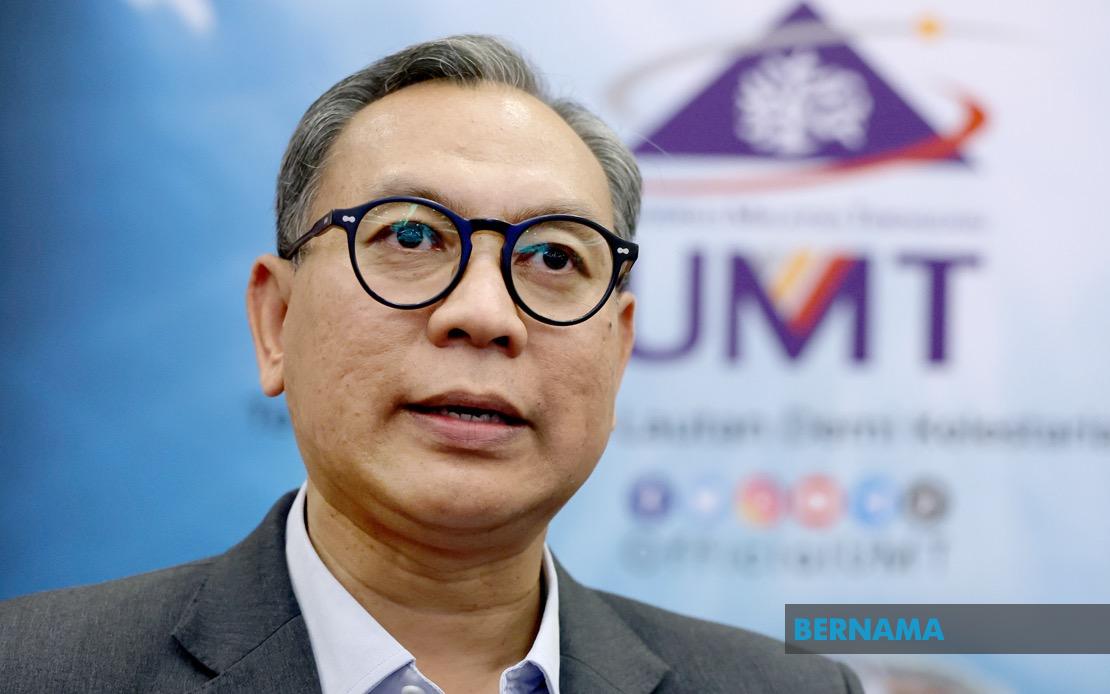
UMT Vice-Chancellor Prof Dr Mohd Zamri Ibrahim emphasised that hosting this landmark conference reflects the university's positioned leadership in marine, maritime, and aquatic sciences. The institution has mobilised its Microplastics Research Interest Group and its consultancy arm to assemble expertise across disciplinary boundaries—from marine biologists and chemists to policy analysts and environmental engineers. This convening power is particularly significant for a Malaysian institution, signalling that Southeast Asian universities are stepping into prominence on the global environmental research stage, moving beyond merely participating in international conversations to actively shaping them. For Malaysia specifically, such conferences reinforce the nation's credentials as a serious player in addressing transnational environmental challenges that affect its territorial waters and coastlines.
The breadth of participation underscores how microplastic pollution has transcended classification as a niche scientific concern. Representatives from government agencies, multinational corporations, and grassroots environmental organisations are gathering alongside researchers, indicating recognition across sectors that effective solutions require mobilising diverse stakeholders. Industry players attending the conference face mounting pressure from consumers, regulators, and investors to adopt circular economy principles and reduce plastic waste at source. Policymakers, meanwhile, grapple with the complexity of designing regulatory frameworks that can meaningfully constrain microplastic generation while remaining economically feasible for developing economies whose manufacturing sectors remain plastic-dependent.
The conference programme emphasises knowledge exchange on multiple fronts: presentation of cutting-edge research findings, exploration of emerging monitoring technologies, assessment of ecological and human health impacts, evaluation of pollution control strategies, examination of existing and proposed regulatory approaches, and identification of future research priorities. This comprehensive agenda reflects understanding that combating microplastics requires simultaneously advancing scientific knowledge, deploying technological solutions, strengthening legal frameworks, and shifting industrial and consumer practices. Each element addresses different temporal horizons—some interventions can begin immediately through policy and behaviour change, while others depend upon longer-term technological breakthroughs and institutional capacity-building.
For Southeast Asian nations particularly, the microplastics challenge carries acute urgency. The region's rapid industrialisation, burgeoning consumer culture, and extensive coastlines create conditions where plastic pollution accumulates faster than in many other regions. Simultaneously, Southeast Asian countries often lack the waste management infrastructure and regulatory capacity of wealthier nations, meaning microplastics tend to persist in the environment rather than being captured and contained. Indonesia, the Philippines, and Thailand feature prominently among nations contributing most significantly to oceanic plastic pollution, making participation by their researchers and officials at forums like ICM2026 essential for building technical expertise and fostering political commitment to remediation.
Prof Mohd Zamri articulated optimistic expectations that the conference will catalyse tangible outcomes: strengthened international research networks enabling scientists to pursue collaborative investigations beyond institutional silos, amplified publication output that elevates understanding of microplastics in peer-reviewed literature, expanded mobility for researchers and students crossing national borders to share expertise, enhanced analytical capabilities as institutions acquire sophisticated measurement technologies, and deepened collaboration bridging academia, industry, and community organisations. These outcomes matter because microplastic solutions exist not in isolation but through interconnected efforts—researchers discovering innovative measurement or remediation techniques, industries implementing cleaner production processes, governments establishing binding standards, and communities adopting consumption patterns that reduce plastic generation.
The conference timing reflects mounting urgency. Microplastic contamination continues expanding faster than remediation efforts can contain it. Each year, millions of tonnes of plastic enter oceans and terrestrial environments where they fragment into micro-scale particles that persist for centuries. Marine organisms from zooplankton to whales inadvertently ingest microplastics, with unknown consequences for food webs. Terrestrial ecosystems show comparable contamination as microplastics settle in agricultural soils, potentially affecting crop productivity and food security. Meanwhile, human exposure continues climbing as bottled beverages, seafood, sea salt, and atmospheric fallout introduce microplastics into bodies at previously unquantified rates.
For Malaysia and its Southeast Asian neighbours, effective response demands moving beyond awareness toward implementation. Conferences like ICM2026 serve essential functions—they generate international visibility, facilitate knowledge transfer, catalyse policy dialogue, and forge professional networks. Yet sustained progress ultimately depends upon whether the insights and commitments forged in Putrajaya translate into modified policies, redirected investments, and transformed practices within governments, corporations, and communities. The microplastics challenge will not yield to one-off conferences but rather to sustained, coordinated, systematic effort across multiple sectors and decades. UMT's initiative in hosting this gathering positions Malaysian science as contributing actively to solutions while signalling to regional and international audiences that Southeast Asia is determined to address this existential environmental threat.

